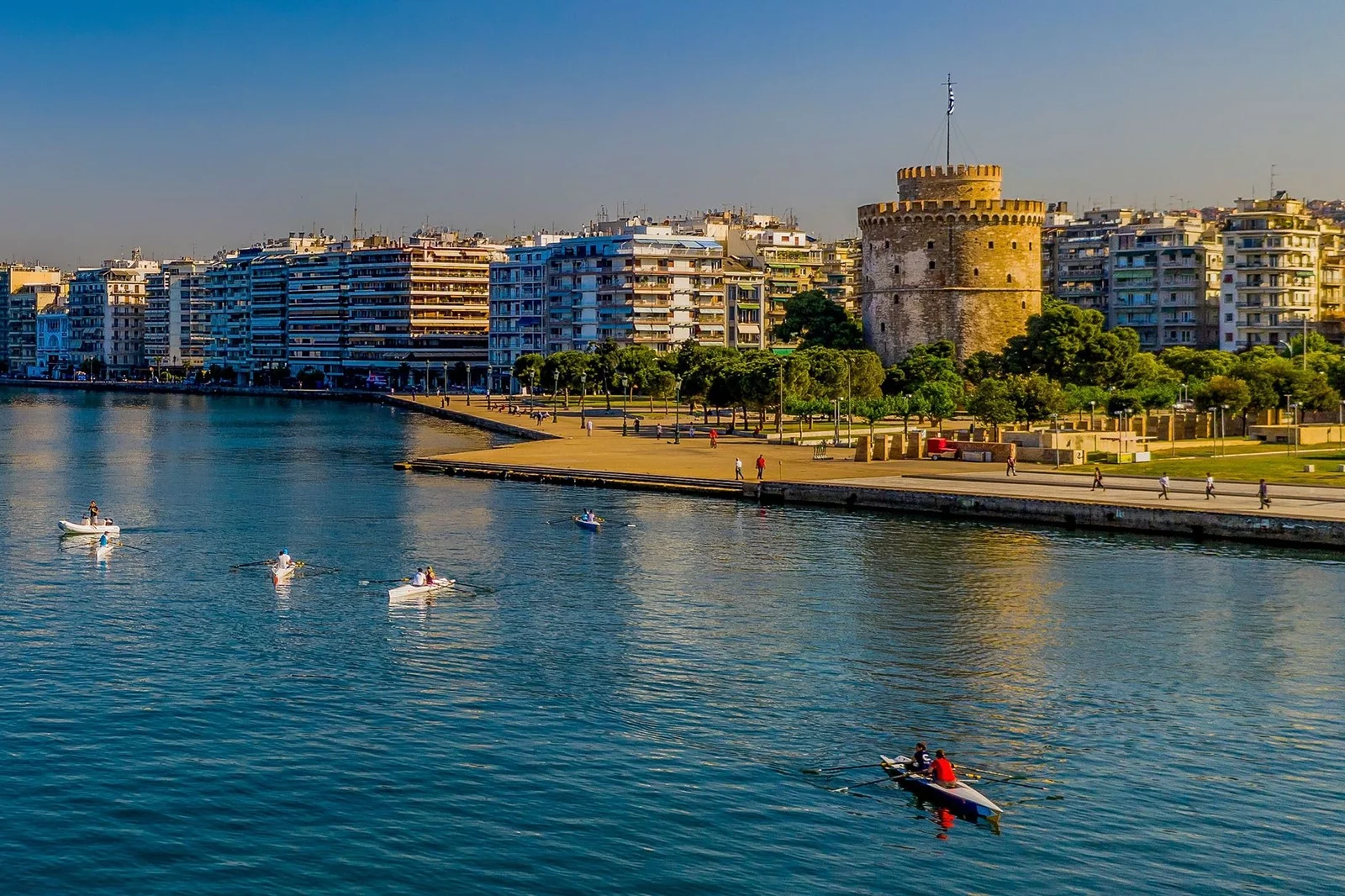
Quick answer: Athens and Thessaloniki both require the same €800,000 Golden Visa investment under Law 5100/2024, but they deliver different economics. Athens offers maximum liquidity, Riviera lifestyle, and global flight access at a premium per square metre. Thessaloniki delivers more space per euro, growing foreign demand from Turkey and the Balkans, and lower holding friction for buyers who do not need Attica prestige.
Buyers assume Athens and Thessaloniki differ in Golden Visa price. They do not. Both sit in the €800,000 prime tier. The decision is which market delivers the best asset for the same legal threshold.
This guide compares what €800,000 buys, yield context, buyer demographics, liquidity, and practical due diligence in each city.
Same Rules, Different Markets
| Rule | Athens (Attica) | Thessaloniki regional unit |
|---|---|---|
| Minimum investment | €800,000 | €800,000 |
| Property count | Single deed | Single deed |
| Size minimum | 120 m² usable | 120 m² usable |
| Short-term rental | Banned on GV asset | Banned on GV asset |
| Permit rights | Five-year renewable GV | Five-year renewable GV |
Zone definitions: Golden Visa property tiers 2026. City-specific stock: Athens €800K areas and Thessaloniki €800K guide.
What €800,000 Buys
| Factor | Athens | Thessaloniki |
|---|---|---|
| Typical usable area | 120 to 150 m² (Riviera tighter) | 140 to 200 m² common |
| Stock type | Riviera apartments, southern suburbs | City centre renewals, coastal suburbs |
| Price per m² pressure | High in Glyfada, Voula, Vouliagmeni | Moderate vs Attica prime |
| New build premium | Strong | Growing |
Both cities sit in the €800,000 tier, so the comparison is entirely about what the threshold buys. In Athens, €800,000 buys roughly 110 square metres in Kolonaki at about €7,270 per square metre, or 135 square metres of new-build Riviera stock in Glyfada at about €5,930, and the first of those fails the 120 square metre Golden Visa rule outright. In Thessaloniki the same money buys substantially more floor area, which is why a multigenerational household needing 140 square metres or more on one title finds it there without compromise. The yield gap runs the other way from the marketing: Thessaloniki is measured at 4.4% gross on long lets, below Athens city-wide at 5.4%, against 3.8% to 4.5% on Riviera stock. What Athens buys with the difference is flight connectivity, the international school map, and a resale market with a foreign buyer pool in it.
Rental and Yield Context
Thessaloniki shows the better gross band and Athens the better liquidity, and the Golden Visa threshold is identical at €800,000 for both. Thessaloniki long lets are measured at 4.4% gross against 3.8% to 4.5% for Athens Riviera stock. Net yields sit materially lower once ENFIA, maintenance, management and vacancy are applied, and every figure here is a planning band rather than a promise.
| City | Gross LTR yield band | Notes |
|---|---|---|
| Athens select districts | 4 to 6% | Strong tenant demand near metro |
| Thessaloniki centre/coast | 4 to 5% | Student and professional tenant base |
Net yields fall after ENFIA, maintenance, management, and vacancy. See Greece rental yield guide. These ranges are indicative, not promises.
Both cities carry the €800,000 threshold, so the yield comparison is a comparison of what that fixed sum earns. Thessaloniki is measured at 4.4% gross on long-term residential lets, which on an €800,000 deed is about €35,000 of rent. Athens Riviera stock delivers 3.8% to 4.5%, or €36,000 to €44,000, and central Kolonaki at roughly €7,270 per square metre delivers less again because prestige capital value does not convert into proportional rent. Greek rental income tax then applies to gross rent at 15%, 25%, 35% and 45% by band with only a flat 5% repairs deduction, so at these rent levels most of the income is taxed in the top two bands in both cities and the net gap narrows to roughly half a percentage point. Short-term letting is prohibited on the qualifying deed in both.
Buyer Demand and Exit Liquidity
Exit liquidity is where the two cities separate most sharply, and it is the variable buyers underweight. Athens is the default destination for international capital, with agency networks, English-language service and transaction volume that exceed any other Greek city, which matters when you sell to a foreign buyer rather than a local one. Thessaloniki’s pool is improving on the back of Turkish, North Macedonian and Bulgarian proximity, but remains thinner than Attica. Athens remains the default for international capital exiting to Western European and Gulf buyers. Agency networks, English-language services, and transaction volume exceed any other Greek city.
Thessaloniki benefits from geographic proximity to Turkey, North Macedonia, and Bulgaria. Turkish buyer growth in Greece Golden Visa statistics contextualises northern interest. Liquidity is improving but still thinner than Attica for fast premium exits.
Nationality guides: Turkish buyers, German buyers.
Lifestyle and Connectivity
| Factor | Athens | Thessaloniki |
|---|---|---|
| International airport hub | Primary nationwide | Regional hub |
| EU flight network | Extensive | Good, smaller |
| Urban scale | Capital megacity | Second city |
| Sea access | Riviera 30 to 45 min | Thermaic Gulf proximity |
| Winter climate | Mild Attica | Cooler north |
Zero-minimum-stay Golden Visa holders choose Athens for occasional visits with maximal flight options. Thessaloniki fits buyers who prefer northern Greece or cross-border business ties.
Deep dives: Athens property investment guide and Thessaloniki property investment guide.
Deciding between Attica prestige and Thessaloniki space at the same €800K threshold? We shortlist qualifying 120m²+ stock in both.
Due Diligence Differences
The legal checklist is identical in both cities; what differs is what the checks find. Athens resale stock skews older, with pre-1983 permit histories that require real engineer scrutiny for unpermitted alterations and area discrepancies. Thessaloniki offers more recent construction with cleaner permit records, but carries the same inheritance co-ownership risk found nationwide, where a single deed can involve multiple heirs with unequal shares. Both cities require identical Golden Visa legal checks: title chain, cadastre, ENFIA clearance, engineer certificate for 120 m² usable area, and Circular 1/2026 payment trail.
Athens resale stock includes older buildings with pre-1983 permit histories requiring engineer scrutiny. Thessaloniki offers more recent developments but still carries inheritance co-ownership risks common nationwide.
Use the Golden Visa due diligence checklist in either city.
Pros and Cons: Athens vs Thessaloniki at €800,000
Athens: advantages
- Deepest international resale demand and English-speaking agency coverage in Greece
- Riviera access from Glyfada to Vouliagmeni within the same €800,000 legal tier
- Primary flight hub at Eleftherios Venizelos with year-round EU and Gulf connections
- Strong long-term tenant pool near metro lines and international schools in southern suburbs
Athens: disadvantages
- Riviera premiums can consume budget before meeting 120 square metre comfort targets
- Older building stock may need renovation after engineer review
- Traffic and summer congestion in coastal districts affect owner-use experience
Thessaloniki: advantages
- More usable square metres per euro at the identical €800,000 threshold
- Growing buyer interest from Turkey and Balkan markets supports niche exit liquidity
- Lower holding friction for owners who visit occasionally rather than living full time
- White Tower city centre and coastal suburbs offer walkable urban lifestyle below Attica premiums
Thessaloniki: disadvantages
- Thinner premium exit market versus Athens for fast international resale
- Regional airport connectivity is good but smaller than Athens hub scale
- Cooler winter climate may matter for buyers expecting year-round Mediterranean warmth
- Agency coverage in English is improving but still behind Attica for complex foreign files
Red flags to check
Athens red flags: apartment marketed as 120 square metres including balconies or storage against usable-area rules; short-term rental history on the unit while seller claims Golden Visa eligibility; co-owned inheritance shares not cleared before notary.
Thessaloniki red flags: border-zone confusion on eastern municipalities; verify cadastral maps; new build without final occupation certificate; developer payment schedule not aligned with Circular 1/2026 traceability.
See making an offer step by step before you bind a deposit in either city.
More buyer scenarios
The buyer with Balkan business ties. Thessaloniki, on overland access alone. Coastal and city-centre stock sits inside a buyer pool that already understands the market, and the drive to Sofia, Skopje or Istanbul is a working commute rather than a flight.
The zero-stay investor buying yield only. Compare net long-term yields micro-location by micro-location rather than city by city; the spread inside Athens is wider than the spread between the two cities. Short-term rental is banned on the qualifying deed in both, so model long lets in both.
The multigenerational household needing 140+ square metres on one title. Thessaloniki delivers that footprint inside €800,000 without compromise. On the Riviera the same money buys either the size or the location, not both.
Banking and Purchase Sequence in Both Cities
The purchase sequence is identical under Law 5100/2024: Greek tax ID, bank account, lawyer review, deposit agreement, notary deed, land registry, then Ministry file. Athens transactions involve more competitive bidding on Riviera listings, build escalation headroom into your €800,000 cap. Thessaloniki may offer more negotiation room on new-build stock but still requires engineer sign-off on usable area before Golden Visa submission.
Transfer tax at 3.09 percent applies in both cities on taxable value. Budget seven to ten percent all-in acquisition costs. Payment traceability under Circular 1/2026 is non-negotiable in 2026 audits.
After deed, both cities enter the same national Ministry queue, choosing Thessaloniki does not shorten permit processing versus Athens. See realistic timeline scenarios for family planning.
Energy certificate ratings matter more in Thessaloniki new builds marketed to foreign buyers, Class A stock commands premium but reduces renovation risk. Athens older Riviera blocks may need elevator and facade upgrades after purchase. Budget five to fifteen percent contingency on top of acquisition stack in either city when engineers flag pre-1983 building codes. Keep six months of ENFIA and community charges in escrow after deed day in both markets.
Verdict
| Priority | Choose Athens | Choose Thessaloniki |
|---|---|---|
| Maximum resale liquidity | Yes | Secondary |
| Riviera / international school proximity | Yes | No |
| More square metres per €800K | Secondary | Yes |
| Balkan / Turkish buyer exit audience | Secondary | Yes |
| Global flight hub | Yes | Secondary |
| Lower holding cost per m² | Secondary | Yes |
Five-Year Holding and Resale Comparison
| Five-year factor | Athens (Attica) | Thessaloniki |
|---|---|---|
| Typical ENFIA band on €800K stock | Higher in Riviera zones | Moderate vs Attica prime |
| Tenant pool | Metro professionals, expat families | Students, professionals, cross-border workers |
| Gross LTR yield (indicative) | 4 to 6 percent before costs | 4 to 5 percent before costs |
| Resale buyer mix | Gulf, Western EU, Israeli capital | Turkish, Balkan, domestic upgraders |
| Agency coverage for foreign exit | Deepest in Greece | Growing but thinner at premium |
| Renovation contingency | Common on pre-1983 stock | Lower on recent new builds |
Neither city shortens Ministry permit processing. Choosing Thessaloniki for space does not accelerate biometric card issuance versus an Athens deed. Plan bridging documents for Schengen travel until Greek residence cards arrive.
Due Diligence Deep Dive: Athens vs Thessaloniki Stock
Thessaloniki due diligence adds border-zone awareness for eastern municipalities near sensitive cadastral lines, though most city and coastal suburbs are unrestricted for standard foreign buyers. New-build projects may market Golden Visa eligibility before final occupation certificates exist. Deed without certificate delays Ministry submission.
Shared Greece requirements in both cities: single deed, no co-ownership gaps, ENFIA clearance, Circular 1/2026 payment trail, and prohibition of short-term tourist rental on the qualifying unit. Use one due diligence checklist template but apply city-specific engineer scrutiny based on building age and developer track record in each micro-market.
Practical sequence: shortlist three qualifying units per city; run parallel engineer pre-checks; compare net interior space and tenant demand within your €800,000 cap; bind deposit only on the asset with clean title and confirmed usable area. See making an offer step by step before you compete on Riviera listings with incomplete documentation.
Athens owners who never visit Greece still benefit from Eleftherios Venizelos connections when children or managers travel Schengen on bridging documents. Thessaloniki owners who visit quarterly prefer larger terraces and gulf views without Riviera price pressure. Neither choice changes Law 5100/2024 retention rules: you must keep the qualifying deed, pay ENFIA, and avoid short-term tourist rental on that unit for the permit life.
When you compare net yields, use the same vacancy assumption in both cities. A Thessaloniki apartment with five percent gross long-term yield on more square metres can match Athens Riviera cash flow in euro terms even when the percentage looks lower. Exit planning should name the buyer nationality you expect at resale: international Gulf liquidity in Attica versus Balkan cross-border demand in northern Greece.
Community charges in Athens Riviera towers can add three thousand to eight thousand euros annually on top of ENFIA, which matters when you model five-year holding on a €800,000 deed you rarely occupy. Thessaloniki coastal stock often carries lower common charges per square metre, which partially offsets cooler winter occupancy if you rely on long-term tenants year round.
Buyer scenarios
Thessaloniki wins on floor area and gross yield; Athens wins on flights, schools and the depth of the pool you will eventually sell into. That is the whole trade, and which side of it you belong on depends on whether the property is a residency vehicle you visit or an income asset you never see. Both cities sit in the €800,000 prime tier, so the choice is not about the threshold. It is about what €800,000 buys and who rents it.
The residency-first buyer with a European base. Athens wins on flight connectivity, international schools and resale liquidity to a foreign buyer pool. Accept a gross yield of 3.8% to 4.5% on Riviera stock and treat the asset as a residency vehicle with capital-appreciation optionality, particularly on the Ellinikon corridor. Budget €800,000 plus 7% to 10% acquisition costs and expect a 120 m² to 150 m² apartment in the southern suburbs.
The yield-conscious buyer willing to hold longer. Thessaloniki’s measured 4.4% gross is not higher than Athens, though €800,000 does buy substantially more floor area. The catch is that the local rental market does not pay proportionately more for a 220 m² apartment than a 130 m² one, so yield falls as unit size rises to meet the threshold. The workable structure is a large central apartment let to a family or an academic household on a twelve-month lease, underwritten at the lower end of the band.
The buyer weighing a second property later. Neither city allows two deeds to combine for the threshold. If the plan is to build a Greek portfolio, buy the qualifying asset first in Athens for liquidity, then add Thessaloniki or regional stock as a pure yield play outside the Golden Visa perimeter, where short-term letting remains available on a licensed unit.
Frequently Asked Questions
Yes. Attica and the Thessaloniki regional unit are prime zones under Law 5100/2024 with identical threshold and 120 m² single-deed rules.
Thessaloniki typically delivers more usable area per euro than central Athens or the Riviera.
Athens offers deeper international resale demand and faster premium exits.
Both often show four to six percent gross on long-term leases before costs, varying by micro-location.
Athens for flight connectivity; Thessaloniki for space per euro and regional hub access.
Most Thessaloniki municipalities are unrestricted; verify cadastral location for non-EU buyers.
No. One property on one deed meeting 120 m² usable area is required.
Thessaloniki for Balkan/Turkish proximity; Athens for broader international liquidity and Riviera lifestyle.
Greece sources: Law 5100/2024; Circular 1/2026. Yield figures indicative only.
Next steps: the Golden Visa hub.
Read next
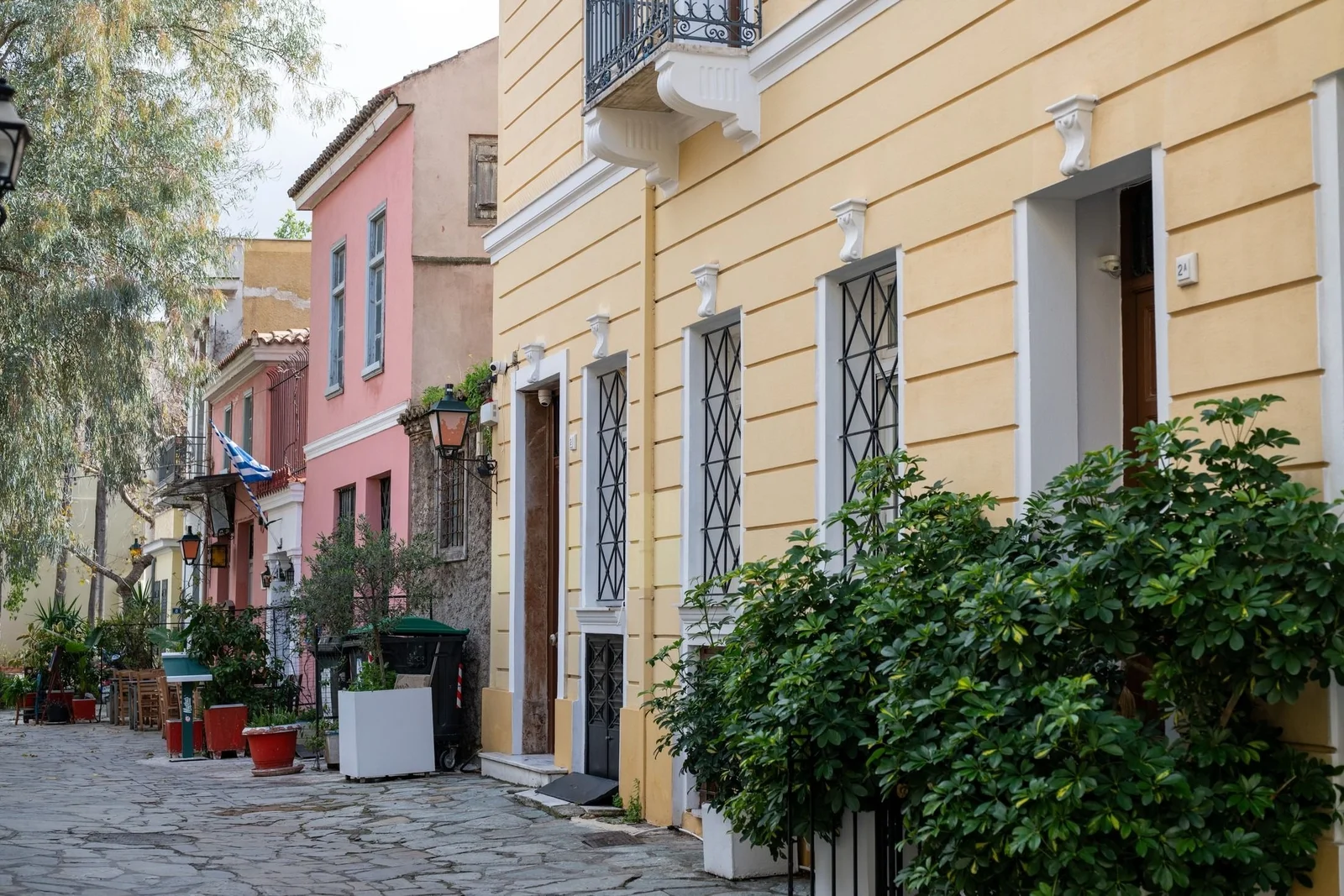
Athens Golden Visa €800K: Which Areas Qualify in 2026
Athens €800K Golden Visa zone: Piraeus, Glyfada, Voula, Vouliagmeni, Ellinikon. Prices, 120m² rule and area guide for 2026.
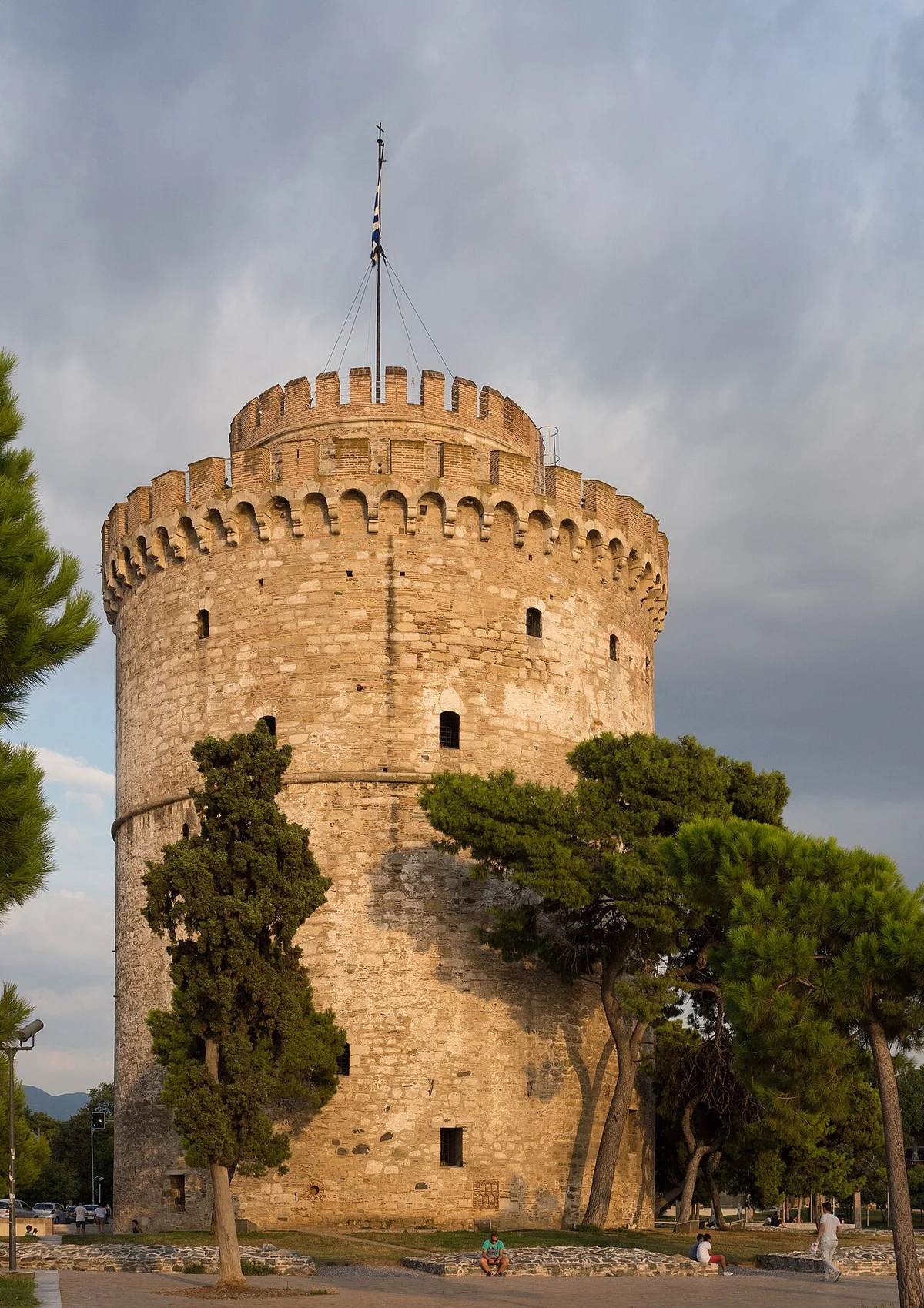
Thessaloniki Golden Visa €800K: Areas and Prices 2026
Thessaloniki Regional Unit is Greece's €800K Golden Visa zone. City avg ~€2,900/m², suburbs ~€2,100/m². 120m² rule, single property, yields 5 to 6.5% LTR.
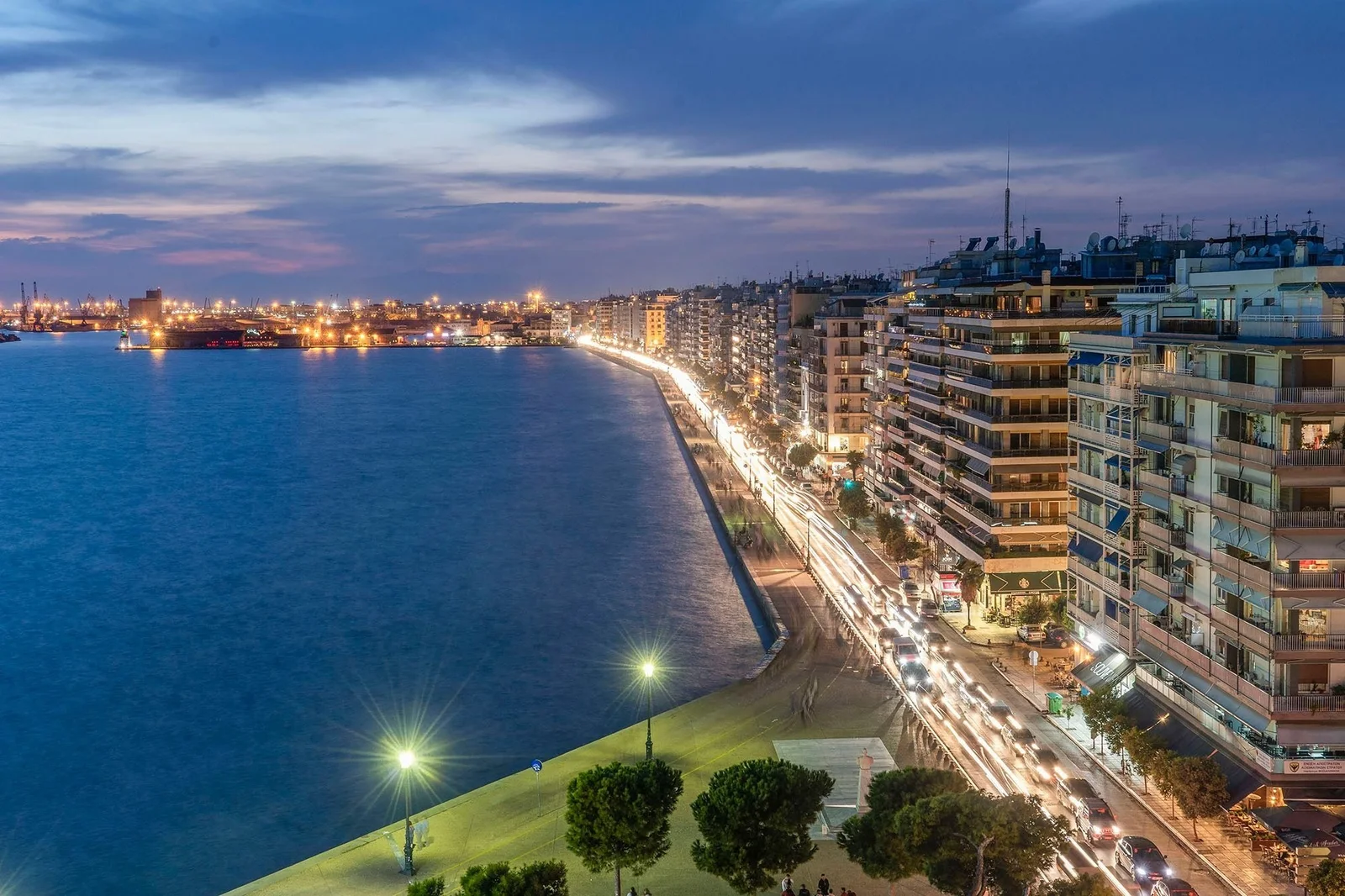
Thessaloniki Property Investment Guide 2026: Data & Yields
Thessaloniki property investment 2026: €2,900/m² city, €2,100/m² suburbs, 5 to 6.5% LTR yields, €800K Golden Visa zone, university tenant demand.

Greece Golden Visa Property Tiers 2026: €800K vs €400K
Law 5100/2024 created three Greece Golden Visa tiers. Compare €800K prime zones, €400K regional, and €250K conversion thresholds to pick the right investment.
Get your Greece property shortlist
Share your budget, region (Athens, Crete, islands, or Peloponnese), and Golden Visa goal. We reply within one business day with matched options and next steps.