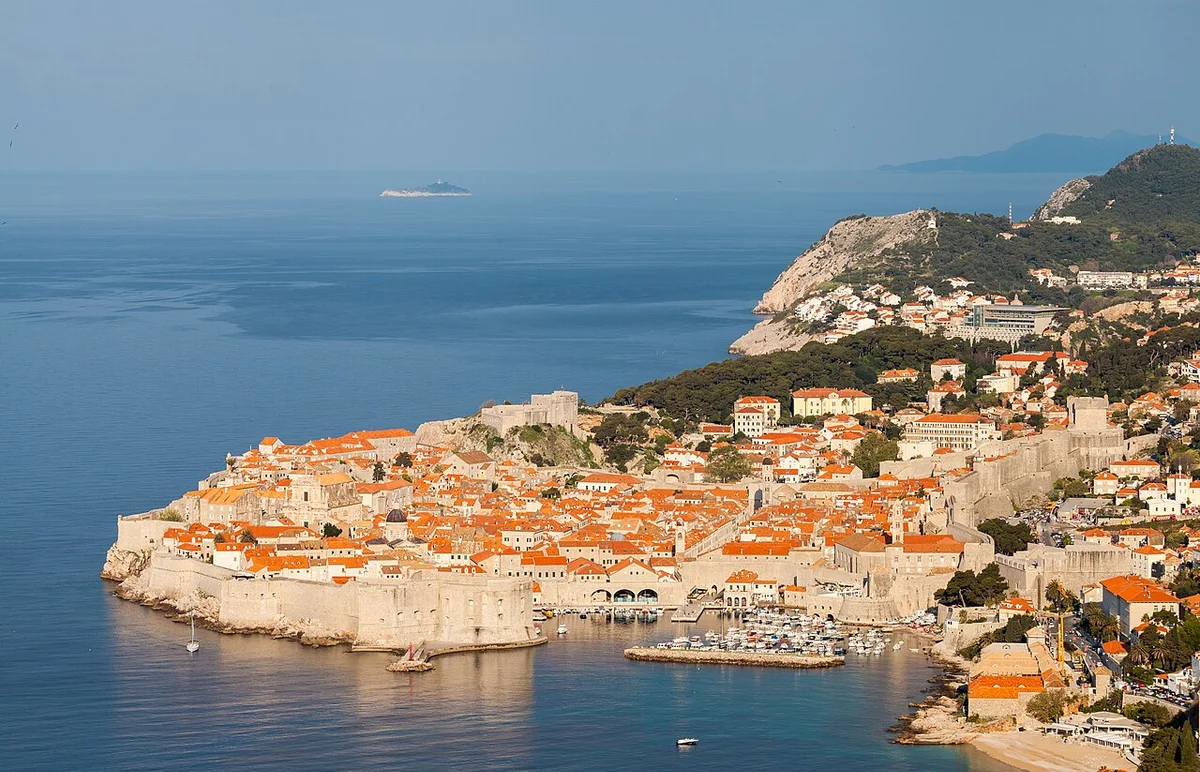
Quick answer: Croatia does not operate a residence-by-investment programme. Property ownership there confers no immigration status, and a third-country national who buys in Istria or Split still needs a temporary-stay route based on work, family, study or self-employment. Greece grants a five-year renewable residence permit for a qualifying property purchase, with no minimum stay requirement.
That is the whole comparison. Everything below is the consequence of it.
A programme against no programme
The two countries are not offering the same product at different prices. Greece has a statutory residence-by-investment route under Law 5100/2024; Croatia has property rights and a separate, unconnected immigration system.
| Greece | Croatia | |
|---|---|---|
| Residence for buying property | Yes, statutory | No |
| Governing instrument | Law 5100/2024 | No equivalent |
| What a purchase gives you | A deed and a permit application | A deed |
| Immigration route for a buyer | The Golden Visa itself | Work, family, study or self-employment, judged on its own merits |
| Minimum stay to hold status | None | Depends entirely on the route relied on |
| Renewal basis | Continued ownership of the qualifying asset | Continued satisfaction of the stay route’s conditions |
Croatia is in the EU and in Schengen, so an owner without residence status visits under the standard 90-days-in-180 rule like any other third-country national. That is worth stating plainly because Schengen membership is frequently offered as though it were an immigration benefit of buying. It is not.
Why the price difference misleads
Croatian coastal property is cheaper than the Greek €400,000 regional threshold in most of Istria and much of Split, and considerably cheaper than the €800,000 Attica tier. A €280,000 Istria apartment is a real purchase at a real price.
It secures ownership and nothing else. A buyer comparing €280,000 in Istria against €400,000 in Crete is comparing an apartment with an apartment-plus-permit, and the €120,000 difference is the permit rather than the building. Anyone whose objective is residence should treat the Croatian figure as irrelevant to the decision, and anyone whose objective is a holiday home on the Adriatic should treat the Greek threshold as irrelevant to theirs.
Dubrovnik prime stock breaks the pattern and prices at or above Greek regional levels, which removes even the cost argument.
What each country asks of the file
Greek and Croatian conveyancing are both notarial and both thorough, and neither is the risk here. The divergence is in what happens after the deed.
A Greek Golden Visa file turns on four things: the tier that applies to the cadastral parcel, 120 square metres of certified main usable area on one deed, a single title, and a fund trail arriving from abroad through a Greek account in the buyer’s name under Circular 1/2026. Ministry files fail on ENFIA arrears and missing cadastre updates more than on anything exotic, which the due diligence guide works through.
A Croatian purchase file turns on title, boundaries and any agricultural or coastal restrictions, and then stops. There is no ministry queue attached to it because there is no permit attached to it. What follows instead is a separate immigration application with its own evidence, which the property does not support.
Letting: both restrict, differently
Greece prohibits short-term tourist letting of the qualifying Golden Visa asset nationwide for the life of the permit. Twelve-month residential leases are permitted, and that restriction is absolute rather than municipal.
Croatia imposes no such rule, because there is no qualifying asset to restrict. Coastal owners register seasonal tourism rentals under Croatian licensing, which is a normal and substantial part of Adriatic ownership economics. That is a genuine advantage of Croatia for an income buyer and a genuine disadvantage of Greece, and it exists precisely because the Croatian property carries no permit to protect.
Advantages and disadvantages, stated as a choice
| Greece | Croatia |
|---|---|
| A permit follows the purchase, with no minimum stay | A cheaper coastline with no immigration outcome |
| Family coverage runs on one qualifying investment | Family routes are separate immigration applications |
| Predictable statutory thresholds and process | Lower entry prices across Istria and most of Split |
| Short-term letting of the qualifying asset is banned | Seasonal tourism letting is licensed and normal |
| Renewal rests on continued ownership | Status rests on the underlying stay route, not the deed |
What a Croatian property owner can actually do about staying longer
The honest answer to “Croatia grants no residence for buying” invites the obvious follow-up: then what does a third-country national who owns an Istrian house actually do when 90 days in 180 is not enough?
There are real answers, and none of them involves the property. Croatia operates a digital nomad residence permit for third-country nationals working remotely for employers outside Croatia, which has been among the more accessible routes of its kind in the EU and is used by exactly the demographic that also buys Adriatic property. There are the ordinary categories as well: work, family reunification, study, and self-employment through a Croatian company.
What matters for this comparison is the relationship between those routes and the house. There is none. Each is granted on its own conditions and each has to be maintained on its own terms, and owning property neither helps the application nor protects the status if the underlying condition fails. A digital nomad permit ends when the qualifying remote work ends, whatever you own in Istria.
Set that against the Greek structure and the difference is sharp. A Greek Golden Visa permit rests on continued ownership of the qualifying asset and nothing else, no minimum stay, no employment, no income test to keep satisfying. The asset is the condition. In Croatia the asset is irrelevant to the condition, so the owner’s residence status and the owner’s property are two separate projects that happen to be in the same country.
One shared constraint is worth stating so it is not mistaken for a difference: both countries are inside Schengen, so days spent in Croatia and days spent in Greece draw on the same 90-in-180 allowance for a visitor. Owning in one does not create headroom in the other.
Which of those a buyer prefers is a genuine question rather than a rhetorical one. Tying status to an asset means the status survives your circumstances changing and dies if you sell. Tying it to work or family means it survives a sale and dies if the work or the relationship ends. A buyer whose income is mobile and whose capital is committed elsewhere may reasonably prefer the Croatian arrangement, and should then stop comparing it with a Golden Visa, because they are buying a house and applying for a permit as two unrelated decisions.
Red flags specific to this comparison
- Any material presenting Croatian property as a residence route. There is no programme; ask which statute is being relied on and expect no answer.
- Comparing headline prices across the two countries as though they buy the same thing.
- Assuming EU and Schengen membership confers rights on a non-resident owner. It does not.
- Budgeting once for a dual objective. A buyer who wants Adriatic ownership and Greek residence needs two budgets, not one split.
- Relying on Greek Golden Visa timelines for a Croatian file that has no equivalent process.
Buyer scenarios: which country answers which question
Residence is the objective. Greece, and the Croatian option does not arise. Choose the tier and read the tier map before the location.
A cheaper Adriatic holiday home, with visits inside 90 days in 180. Croatia, comfortably. The saving against Greek thresholds is real and the immigration question never arises.
Seasonal rental income is the objective. Croatia, because Greek Golden Visa property cannot take it and a non-qualifying Greek property is a different purchase from the one this page compares.
Both, at once. Two properties and two budgets. A €280,000 Istria apartment plus a €400,000 Cretan deed is a coherent plan; one apartment doing both jobs is not.
Croatia does not even sell ownership freely to everyone
The page has said Croatia grants no residence for buying. There is a second Croatian rule that catches buyers earlier than that one, and it is the reason a comparison table of prices is misleading before it is incomplete.
Croatian acquisition rights depend on who you are. Nationals of EU and EEA states buy on broadly the same footing as Croatians, with agricultural and forest land treated separately. Third-country nationals do not have that footing: acquisition rests on reciprocity between Croatia and the buyer’s own country, and where reciprocity applies the purchase requires consent from the Croatian Ministry of Justice before the title transfers. Where no reciprocity exists, an individual simply cannot acquire.
The standard workaround is a Croatian company. A d.o.o. incorporated in Croatia is a domestic legal person and acquires without the consent step, which is why so many Adriatic purchases by non-Europeans run through one. That is a real solution and it is not free: it introduces Croatian corporate accounting, annual filings, and a different tax treatment of both rental income and eventual disposal from the one an individual owner would face.
So the honest sequence for a non-EU buyer is: establish whether you can own at all, then decide whether you want to own personally or through a company, and only then look at prices. A Greek buyer’s first question is which tier applies to the parcel. A Croatian buyer’s first question is whether their passport permits the purchase in the first place.
What each country charges to acquire and to hold
Croatia charges real estate transfer tax on resale purchases, and new-build sold by a VAT-registered developer carries VAT instead of the transfer tax, which is the same either-or structure Greece runs and one of the few genuine parallels between them. Croatia also introduced an annual real estate tax to replace its old holiday-home charge, set within a statutory range by each municipality, which means an Istrian coastal town and an inland one can charge materially different amounts on comparable properties. Get the rate from the specific općina rather than a national average.
The Greek acquisition and holding stack is set out line by line in the cost of buying guide and is not repeated here. The point worth carrying away is structural rather than arithmetic: the Greek total is higher and part of what it buys is an immigration outcome, while the Croatian total is lower and buys a building. Setting the two totals beside each other without naming that difference is the mistake this page exists to prevent, and it is the mistake most comparison content makes.
Price the Croatian side through a Croatian lawyer. Nothing on a Greek site, including this one, is a reliable source for Croatian transfer tax, municipal rates or company costs, and a buyer who infers them from Greek figures will be wrong in both directions.
Next steps: which Greek tier applies where · what the Greek letting ban actually forbids.
Frequently Asked Questions
No unified Golden Visa equivalent. Residence flows through temporary stay categories linked to property and other grounds.
No single nationwide minimum like Greece €400,000 tier. Practical entry prices vary by town and permit category.
Both are Schengen EU states. Mobility depends on your valid residence permit category in each country.
Yes with lawyer clearance for border zones, reciprocity, and title restrictions in both jurisdictions.
Greece under Law 5100/2024 with explicit tiers and Ministry processing.
Croatia coastal STR can drive seasonal gross yields outside unified GV rules. Greece GV asset allows LTR only.
Greece offers broader mapped inventory at €400,000 and €800,000 tiers nationwide.
Croatia for Adriatic lifestyle below formal GV thresholds. Greece for documented property-backed Golden Visa structure.
Greece sources: Law 5100/2024; Circular 1/2026. Croatia immigration rules change. Verify with Croatian counsel before purchase.
Read next
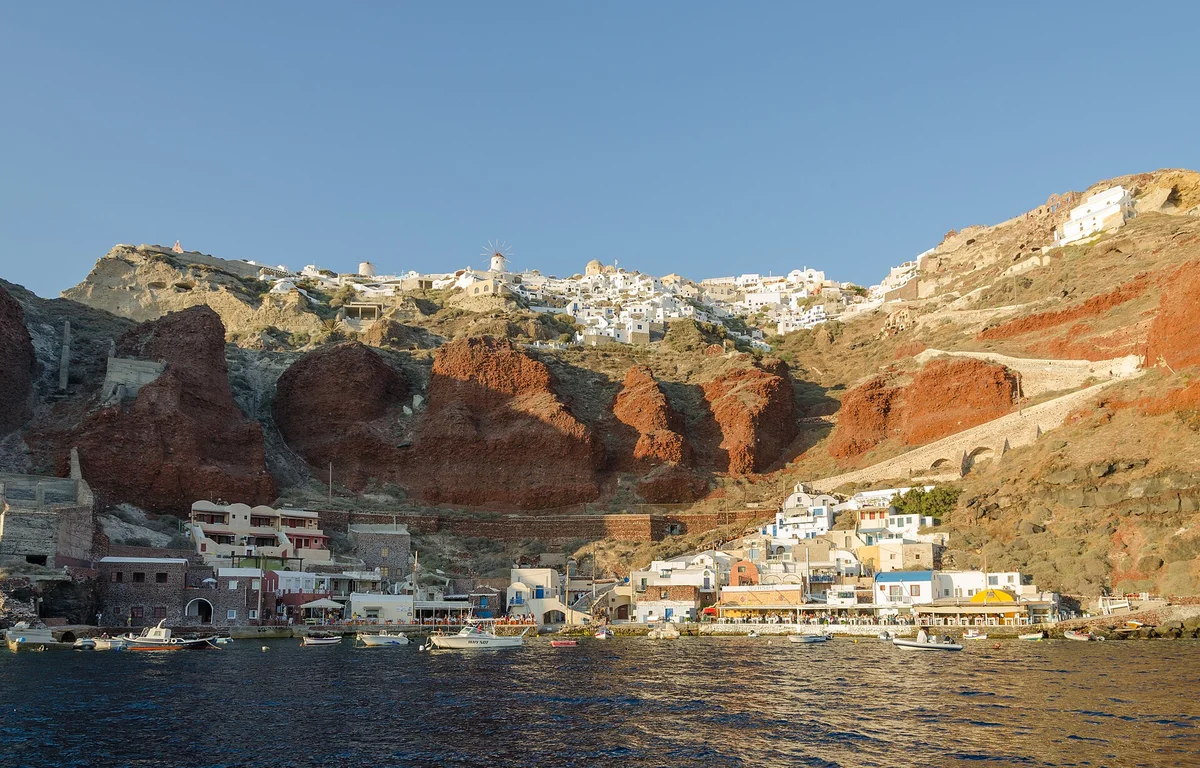
Greece Golden Visa Property 2026: Complete Investor Guide
Greece's 2026 Golden Visa decoded: Law 5100/2024 tiers, real costs, 2025 approval data, and an independent framework to pick the right property.
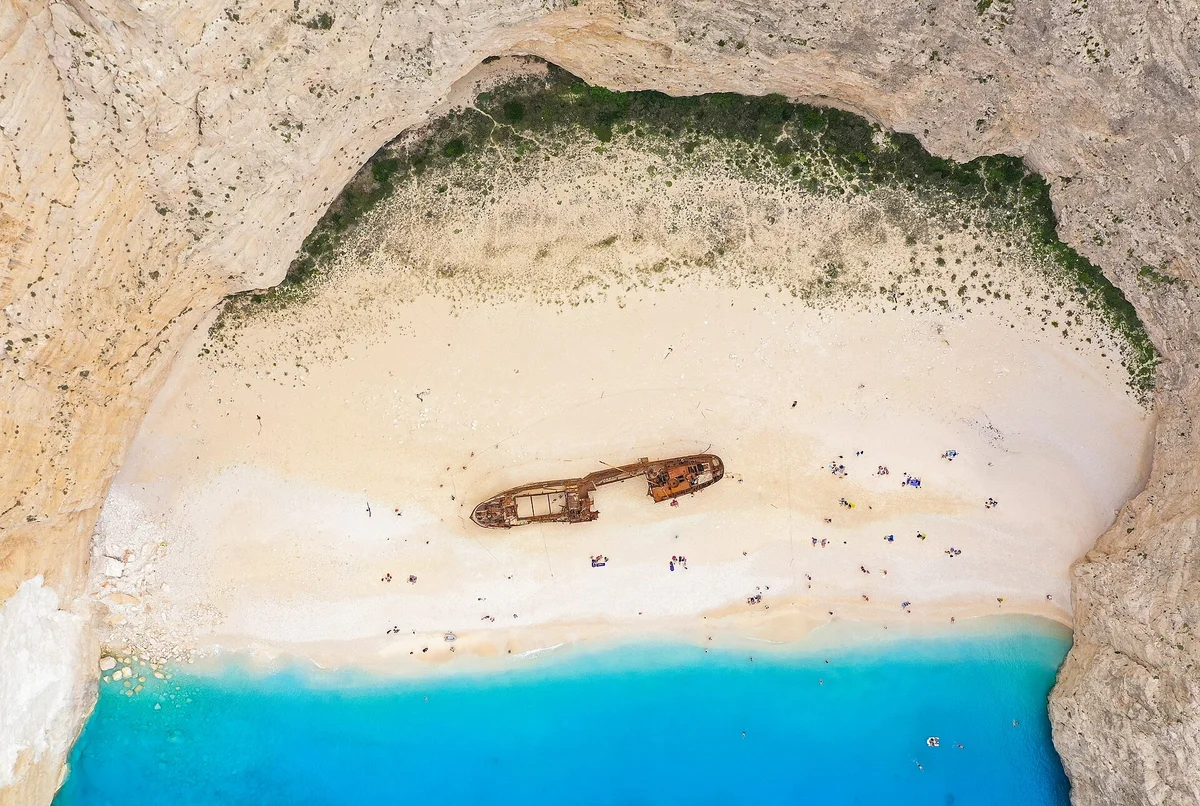
Greece Golden Visa Property Tiers 2026: €800K vs €400K
Law 5100/2024 created three Greece Golden Visa tiers. Compare €800K prime zones, €400K regional, and €250K conversion thresholds to pick the right investment.
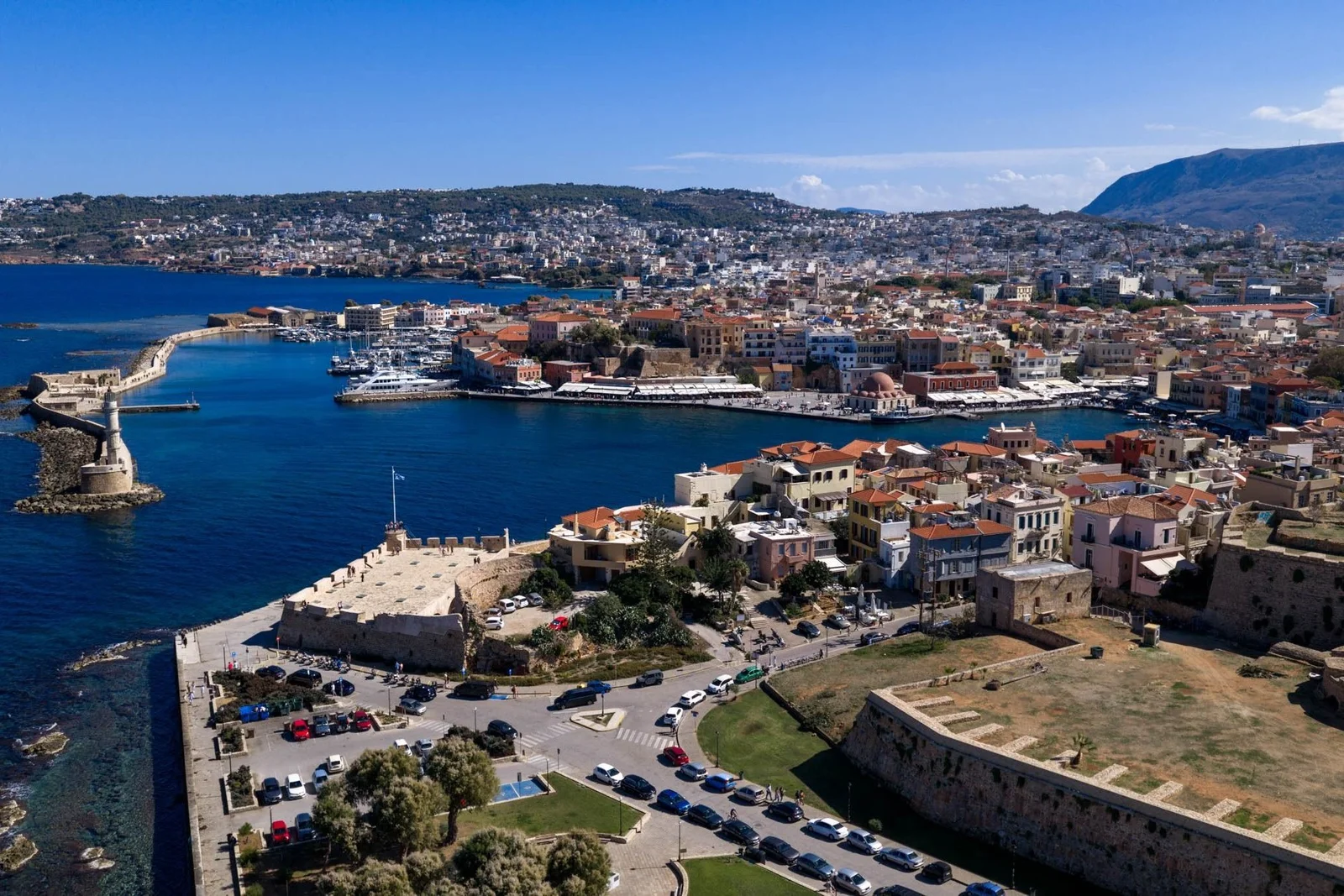
Crete Property Investment Guide 2026: Island Markets
Crete property investment 2026: €400K Golden Visa tier, ~€2,329/m² average, what the yield data supports, north coast markets, GV vs Attica arbitrage.
Cost of Buying Property in Greece: Full 2026 Fee Guide
Full cost of buying property in Greece: FMA 3.09%, notary, lawyer, registry, agent, ENFIA. Worked examples at €250K, €400K and €800K.
Get your Greece property shortlist
Share your budget, region (Athens, Crete, islands, or Peloponnese), and Golden Visa goal. We reply within one business day with matched options and next steps.