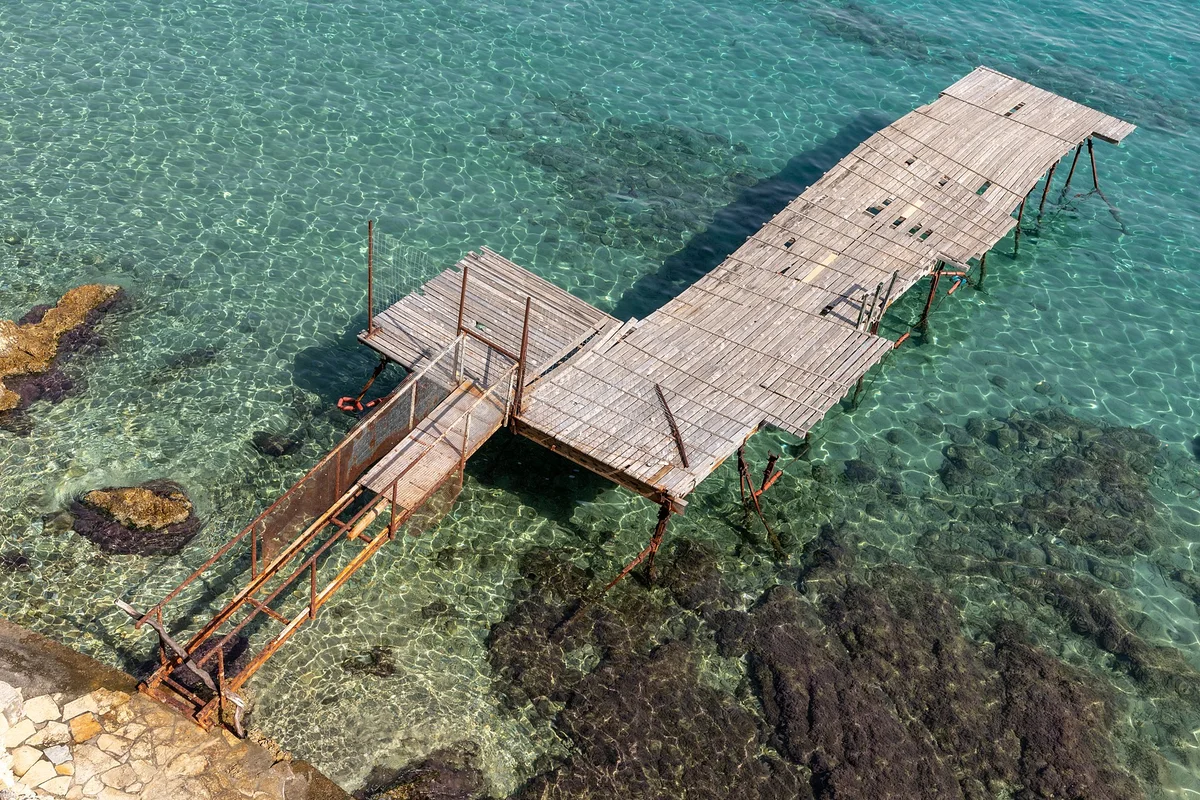
Quick answer: the series was filmed on Corfu and went out on BBC One from 2 January 2026, starting from a property acquired for a nominal €1 and later listed at €530,000 with the proceeds going to Comic Relief and BBC Children in Need. The €1 is a production and charity arrangement rather than a market route, and Greece has no one-euro house scheme. A real Corfu purchase runs roughly €2,932 to €4,698 per square metre in asking prices depending on where on the island you look, plus 7 to 10 percent in acquisition costs, plus a renovation budget whose real risk is what gets found rather than what gets quoted.
A renovation series is a good programme and a poor budget. That is not a criticism: the format exists to compress a long, uneven, administratively dull process into an hour that people want to watch, and it does that well. But a large number of people finish an episode and start searching for houses in Greece, and the gap between the edit and the process is worth setting out for them.
This page is that gap, with the numbers that can be sourced and honest silence where they cannot.
What the programme actually did
| Element | What it was |
|---|---|
| Broadcaster and dates | BBC One and iPlayer, from 2 January 2026, filmed the preceding summer |
| Location | Corfu, in the Ionian islands |
| Property | A two-bedroom, one-bathroom house, named Alamanda for the series |
| Acquisition price | A nominal €1 |
| Listed afterwards | €530,000, with proceeds to Comic Relief and BBC Children in Need |
Everything in that table is a fact about a television production. None of it is a description of the Greek property market, and the programme has never claimed otherwise. The confusion arrives afterwards, in the search results.
The €1 house, and why it is not a route
Greece does not run a one-euro house scheme. Italy has done so in depopulating villages, with conditions attached about renovation deadlines and deposits, and the idea has travelled further than the geography. In Greece the nominal price in the series is an arrangement specific to a production and a charity sale.
What does exist in Greece is genuinely cheap stock in remote places. Inland areas of the Ionian islands carry asking prices around €1,334 per square metre at the bottom of the range, and abandoned or part-ruined village houses come up regularly for figures that look startling to a British or American buyer.
Those are ordinary sales. They are cheap because they are far from services, often without adopted road access or mains drainage, frequently held in undivided family ownership across several heirs, and almost always carrying decades of unpermitted alteration. The purchase price is the smallest number in the project.
What Corfu costs a normal buyer
| Where | Asking price per m² | Reference |
|---|---|---|
| Corfu, Kassiopi | about €4,698 | July 2026 |
| Corfu Prefecture, lowest municipality | about €2,932 | June 2026 |
For wider context, the Aegean Islands are the most expensive Greek region at about €3,626 per square metre, and the market is rising: apartment prices were up 5.7 percent year on year in the first quarter of 2026, fastest at 6.9 percent outside the main cities. The regional picture sets that out in full.
Corfu prices at this level because it has carried an international buying market for decades, with the airlift and the foreign-owned stock that follow. The figures are asking prices from live listings, meaning opening positions rather than recorded transactions, and almost nobody drawing on portal averages says so.
For a cheaper Ionian alternative with the same landscape and a thinner resale market, Kefalonia is the usual comparison.
Renovation cost is a discovery problem
The question everyone asks is what a renovation costs per square metre. It is the wrong question, and any figure offered for an unseen property is a guess dressed as expertise.
What can be described honestly is the structure of the cost.
| Cost element | What drives it |
|---|---|
| Engineer’s inspection and legality certificate | Age and history of the building, not its size |
| Permits | Whether works are structural or change the footprint |
| Materials | Island transport premium on everything that arrives by ferry |
| Labour | Availability far more than hourly rate |
| Contingency | What is found once a wall comes down |
The last row is the one that decides budgets. Older Greek stone stock hides substandard wiring, absent damp proofing, roofs that were repaired rather than replaced, and additions built without a permit by a previous owner. None of that is visible on a viewing and all of it is chargeable.
The engineer certificate guide covers what the inspection actually certifies and why it is the document that decides whether a sale can complete at all.
The constraint nobody films
Contractor availability on a Greek island is seasonal, and it is the single largest difference between a television renovation and a private one.
A production books its crew in advance and works to a broadcast date. A private owner is competing for a small pool of local builders, electricians and plumbers whose numbers thin out sharply between November and March, in exactly the months when a buyer would prefer the work to happen so the house is ready for summer. Materials that have to come by ferry arrive on a winter timetable. Specialist trades may not be on the island at all.
The practical planning consequence is that an island renovation timeline is set by when people are available rather than by the size of the job, and that a schedule built from mainland assumptions will slip.
What it costs before any renovation at all
Acquisition costs run 7 to 10 percent above the purchase price, and they are payable whatever condition the house is in.
On a resale the largest item is the property transfer tax at an effective 3.09 percent of the taxable value, being the 3 percent statutory rate plus the municipal surcharge. The base is the higher of the state’s objective value and the declared price, which is why the objective value belongs in the arithmetic before a deposit rather than at the notary. A first sale by a developer falls under VAT at 24 percent instead, subject to the suspension regime.
Notary, lawyer, land registry and agent make up the rest, and Greek VAT at 24 percent applies on top of each professional fee, so a quoted fee is not the amount that leaves the account. The full cost stack itemises it and the transfer tax guide explains the objective value.
Worked on the sort of figure a viewer has in mind, a €120,000 village house carries about €3,708 in transfer tax at the 3.09 percent rate and an all-in acquisition stack of roughly €8,400 to €12,000. A €250,000 house carries about €7,725 in transfer tax and a stack of roughly €17,500 to €25,000. Neither number includes a single day of building work, and neither is negotiable.
What to check before falling for a ruin
Four things, and each has a document that closes it. The full due diligence sequence covers the rest.
Building legality. Extensions, enclosed terraces and converted outbuildings built without permits are extremely common on older island stock. The engineer’s legality certificate will not cover them, and without it the notary cannot complete. This is the most frequent reason a cheap house turns out not to be buyable.
The title chain. Village properties frequently sit in undivided inheritance across several heirs, some abroad. Every one of them signs, and the one who is hardest to reach sets the timetable.
Access and services. Whether the road is adopted, where the water comes from, and whether mains drainage reaches the plot. Cheap inland plots are often cheap for precisely these reasons, and connecting them can cost more than the house did.
What the survey cannot see. A pre-purchase inspection reduces discovery risk; it does not eliminate it. Budget a contingency you would be comfortable spending, because on a renovation of older stock you probably will.
Does renovating beat buying finished?
The honest answer is that it depends on a number most people do not calculate before they start: the discount for condition against the cost of curing it.
Corfu asking prices run about €2,932 per square metre in the cheapest municipality of the prefecture and about €4,698 in Kassiopi. A 120 square metre finished house in the cheaper municipality therefore asks somewhere near €352,000 before costs, and the same size in Kassiopi near €564,000. Add 7 to 10 percent in acquisition costs, so on a €352,000 purchase the transfer tax alone at 3.09 percent is about €10,877 and the full stack lands roughly between €24,600 and €35,200.
A comparable property needing full renovation trades at a discount to those figures. Whether the project makes sense turns on whether that discount exceeds the renovation cost plus the contingency plus the value of the eighteen months you did not have the house. On older Greek island stock the discount is frequently large enough that the answer is yes, which is why the market for renovation projects exists at all.
Two further numbers belong in the comparison. Around 78 percent of international buyers in Greece target resale rather than new build, so the renovation route is the mainstream one here rather than the adventurous one. And Bank of Greece data has apartment prices up 5.7 percent year on year in the first quarter of 2026, with areas outside the main cities the fastest segment at 6.9 percent, which means the finished comparable is a moving target while the works are under way.
If the plan is to let it afterwards
Many viewers are picturing a house that pays for itself between visits, so the letting arithmetic belongs in the budget rather than after it.
Greek rental income for an individual landlord runs on a scale that changed on 1 January 2026.
| Annual gross rent | Rate | Gross yield benchmark | |
|---|---|---|---|
| Up to €12,000 | 15% | Athens, city-wide | 5.43% |
| €12,001 to €24,000 | 25% | Greece, national | 4.40% |
| €24,001 to €35,000 | 35% | Kavala, weakest major city | 3.47% |
| Above €35,000 | 45% | Deduction allowed for repairs | 5% |
Only that flat 5% deduction for repairs and maintenance may be set against gross rent, with nothing allowed for management, insurance or finance costs, so the charge falls close to the gross figure rather than on profit. Island yields look stronger on a peak nightly rate and weaker once the empty months are averaged in.
One restriction overrides all of it. If the purchase is also a Golden Visa file, the property may only be let on leases of twelve months or longer, and short-term tourist letting is prohibited for the life of the permit. The application fees are €2,000 for the main applicant and €150 for each adult family member. A renovated island house cannot be both a Golden Visa asset and a summer let.
Buyer scenarios
A UK couple buying a €180,000 village house on Corfu to renovate over two years. Acquisition costs of 7 to 10 percent add roughly €12,600 to €18,000, with transfer tax at 3.09 percent about €5,562. The controlling risks are building legality on a house that has probably been altered without a permit, and an inheritance chain in a village property. The controlling constraint is trade availability between November and March. Not a Golden Visa file at this price, so letting stays unrestricted.
A buyer taking a €400,000 finished house on Corfu as a Golden Visa file. The €400,000 tier applies outside the prime zone, the property must be a single dwelling on one title deed with at least 120 square metres of main usable area certified by an engineer, and transfer tax at 3.09 percent is €12,360. The renovation question does not arise, and the letting question does: a qualifying property may only be let on leases of twelve months or longer.
A buyer weighing a €250,000 restoration route. The reduced Golden Visa threshold applies to conversion from another use or restoration of a listed building, and it is the one tier exempt from the 120 square metre rule. It is also a construction project with a completion obligation running alongside the permit application, which suits people who have done this kind of work before and rarely suits a first overseas purchase. Watching a renovation series is not the same as having done one.
The realistic version of the programme
Strip out the production and the timeline compresses differently. A private buyer doing the equivalent project on Corfu is looking at a real purchase price rather than a nominal one, 7 to 10 percent on top in acquisition costs, a renovation budget whose range widens the older the building is, and a schedule set by island trade availability rather than by a broadcast date.
None of that argues against doing it. Plenty of people buy and renovate on the Ionian islands successfully every year, and the result is frequently better value than an equivalent finished property, because the discount for condition in Greece is often larger than the cost of curing it.
What it argues for is starting from the engineer and the lawyer rather than from the estate agent’s photographs, and treating the programme as the reason you looked rather than as the model for how it goes.
Frequently Asked Questions
On Corfu, in the Ionian islands. The series ran on BBC One and iPlayer from 2 January 2026 and was filmed over the preceding summer. The property was a two-bedroom, one-bathroom house named Alamanda for the series, acquired for a nominal €1 and later listed at €530,000 with proceeds going to Comic Relief and BBC Children in Need.
Not as a route any buyer can follow. Greece has no national one-euro house scheme of the kind Italy has run in depopulating villages, and the nominal price in the series belongs to a specific arrangement for a television production and a charity sale. Genuinely cheap stock does exist in remote areas, with inland Ionian asking prices around €1,334 per square metre at the bottom of the range, but those are ordinary sales at ordinary prices.
On June and July 2026 portal listing data, asking prices in the Kassiopi area run about €4,698 per square metre while the lowest municipality in the Corfu Prefecture asks about €2,932 per square metre. Corfu sits among the more expensive Greek islands because it has carried an international buying market for decades, with the airlift and foreign-owned stock that follow. These are asking prices from live listings rather than recorded transaction prices.
No honest single figure exists for an unseen property, because the cost is driven by discovery rather than by a rate. What can be described is the structure: an engineer's inspection and legality certificate, permits where works are structural or change the footprint, materials carrying an island transport premium, labour priced mainly by availability, and a contingency for what appears once a wall comes down. Older stone stock routinely hides wiring, damp and unpermitted additions.
Because a production books its crew in advance and works to a broadcast date, while a private owner competes for a small pool of local builders, electricians and plumbers whose numbers thin sharply between November and March. Materials arriving by ferry follow a winter timetable and some specialist trades are not on the island at all. An island renovation schedule is set by who is available rather than by the size of the job.
Cosmetic work generally does not require a permit, while anything structural, anything changing the footprint and anything altering the building's registered characteristics does. The more common problem is inherited rather than planned: unpermitted work already on the property, typically an enclosed terrace or an added room, has to be resolved before a purchase can complete, because the civil engineer cannot issue the legality certificate the notary needs without it.
Engage a lawyer and a civil engineer before an estate agent, and use them on any property before a deposit moves. The three things that turn a cheap Greek house into an unbuyable one are unpermitted building work, an undivided inheritance where several heirs must sign, and a plot without adopted road access or mains services. All three are discoverable in advance, and all three are expensive to discover afterwards.
Next steps: what a purchase actually costs · the engineer’s certificate · property on Kefalonia, the cheaper Ionian option.
Read next
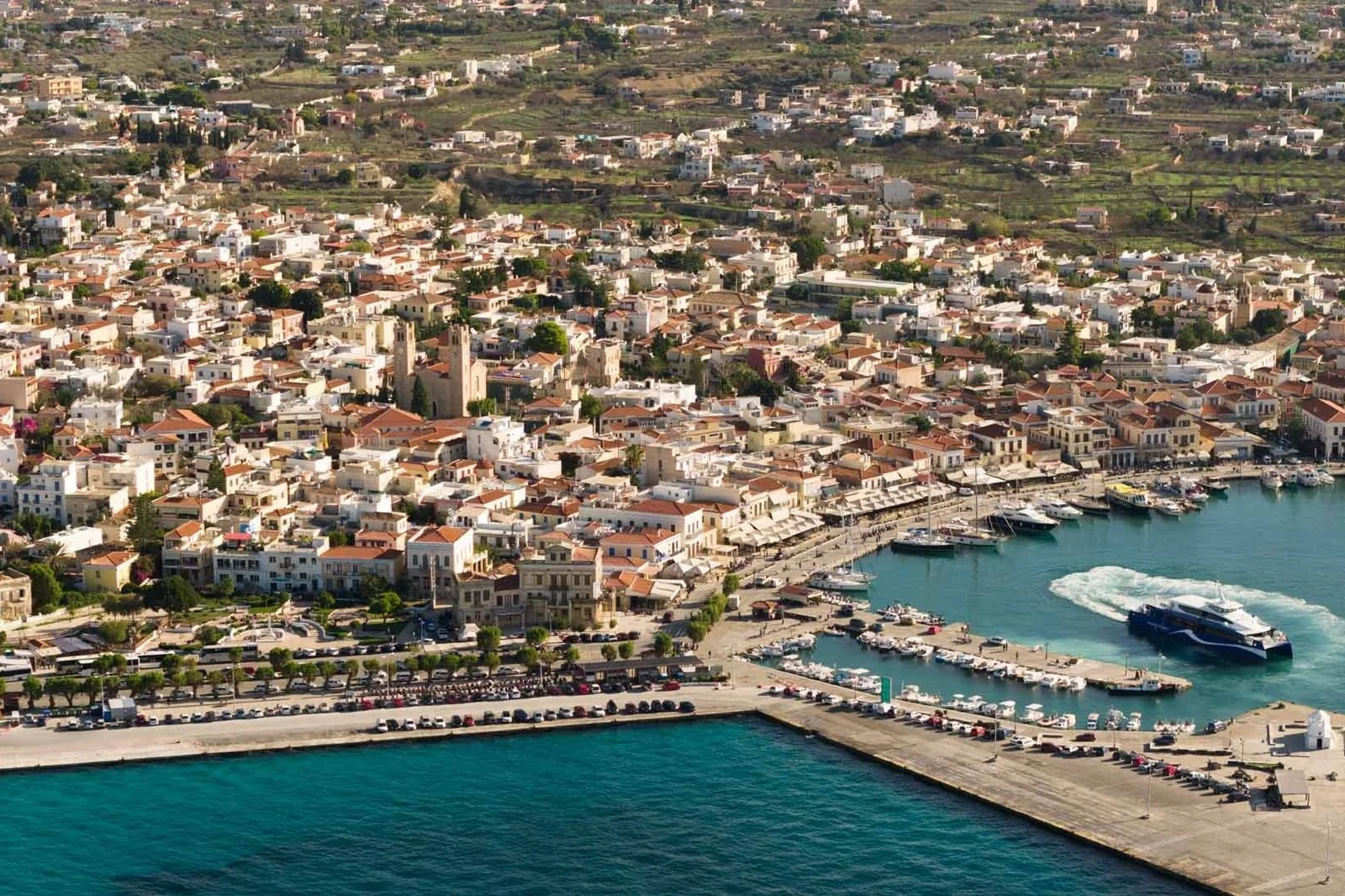
12 Hidden Costs Buying Property in Greece: 2026 List
The real total for a Greek purchase: transfer tax 3.09%, notary, lawyer and agent fees plus 12 costs buyers miss, with a worked example on a €400K purchase.
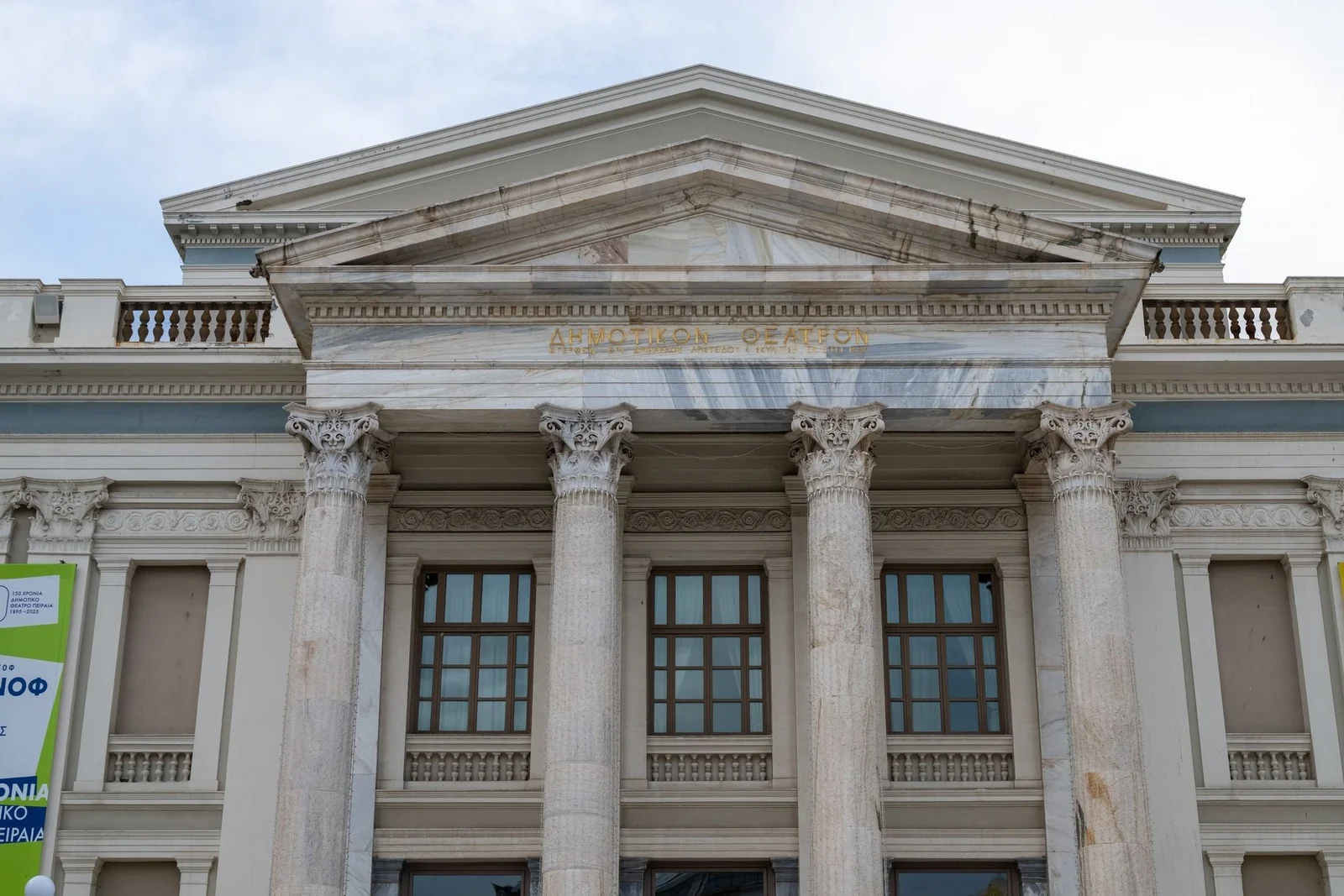
Greece Property Transfer Tax (FMA): 2026 Complete Guide
FMA transfer tax in Greece is 3.09% on the higher of sale price or objective value, paid before deed. Worked examples, cost tables, new-build rules.
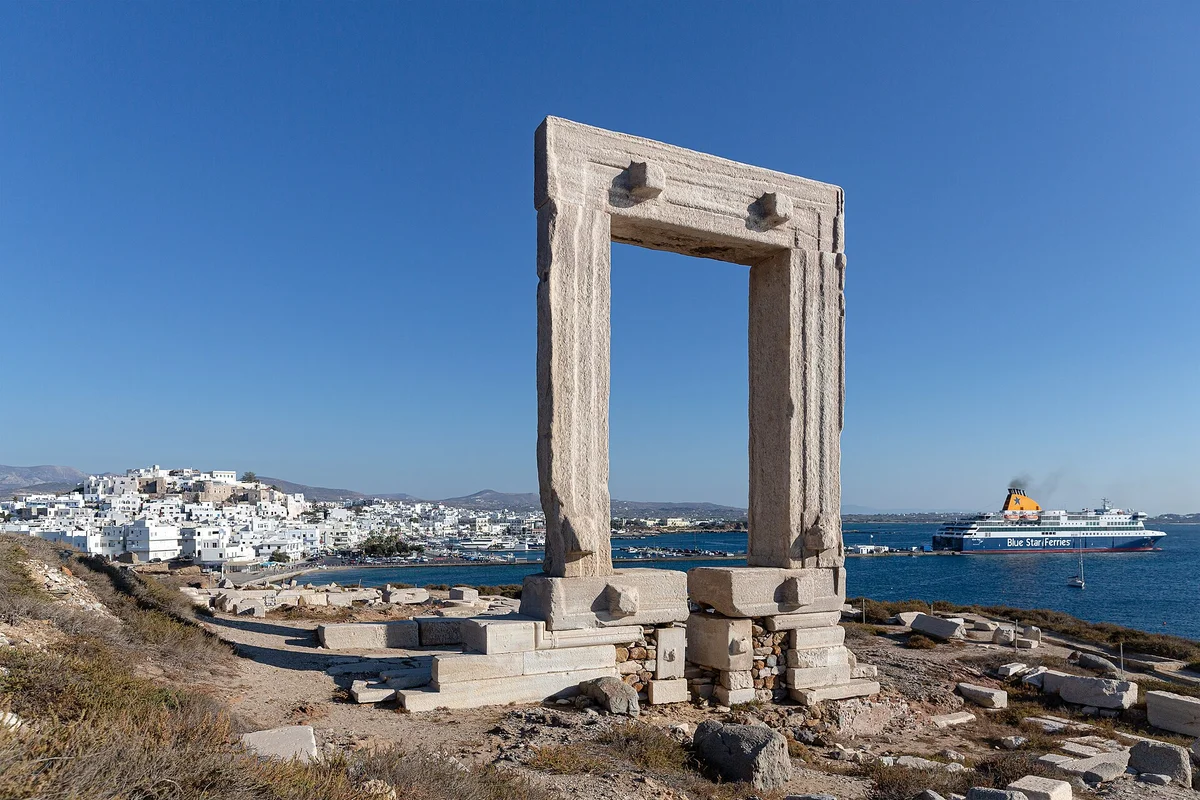
Due Diligence Greece Property: The Complete 2026 Checklist
Due diligence Greece property: title search, cadastre, ENFIA arrears, permits, engineer survey, co-ownership, mortgages, Golden Visa tier. Full checklist.
Get your Greece property shortlist
Share your budget, region (Athens, Crete, islands, or Peloponnese), and Golden Visa goal. We reply within one business day with matched options and next steps.