Greece Golden Visa, without the brochure
| Tier | Where it applies | Area rule |
|---|---|---|
| €800,000 | Attica, Thessaloniki, Mykonos, Santorini, islands over 3,100 residents | One property, 120 m² minimum |
| €400,000 | The rest of Greece, including most of Crete and the Peloponnese | One property, 120 m² minimum |
| €250,000 | Heritage restoration, or commercial-to-residential conversion | Exempt from the 120 m² rule |
Source: Law 5100/2024 as operationalised by Circular 1/2026 of the Ministry of Migration and Asylum, published 22 April 2026. Verify the tier against the cadastral parcel, not the postal address.
Quick answer: the Greece Golden Visa grants residence, with no minimum stay requirement, in exchange for a qualifying property held on a single title deed: €800,000 in Attica, Thessaloniki, Mykonos, Santorini and the larger islands, €400,000 in the rest of Greece, or €250,000 for a conversion or a listed restoration. The two higher tiers require 120 m² of main usable area as certified by a Greek engineer. Short-term letting of the qualifying property is prohibited for the life of the permit. Allow twelve to eighteen months and 7 to 10 percent in acquisition costs above the threshold.
What the permit actually gives you
The Greek Golden Visa is a residence permit obtained by investment. It grants the right to live in Greece, not the obligation, and that distinction is the whole product. There is no minimum stay requirement to hold it or to renew it, provided the qualifying investment is maintained. Holders may enter and remain in Greece freely and travel within the Schengen area on the usual short-stay terms.
What it does not give you is equally worth stating plainly. It is not citizenship and it does not put you on an accelerated path to one: naturalisation runs on a separate clock that counts physical residence, which is precisely what this permit does not require. It carries no right to work as an employee in Greece. And it attaches to the investment, so it lasts exactly as long as the qualifying asset is held.
That combination suits one profile very well and another poorly. If you want optionality, a European base you can use when you choose, and a residence status that does not require you to move, this is an efficient instrument. If you intend to actually live in Greece, the financially independent person and digital nomad routes reach the same place without requiring a property purchase at all.
One property means one deed
Under Law 5100/2024 the qualifying investment must be a single residential property held on a single title deed. This is the condition that most often surprises buyers, because it removes the obvious workaround.
Two apartments in the same building do not qualify, however adjacent they are, and however neatly the sum reaches the threshold. Two deeds are two properties. The only way a pair of units qualifies is if they have been legally merged into one property, with the merger completed and registered before the application, which is a construction and registration exercise rather than a paperwork one.
The practical consequence is that budget and geography interact. A buyer with €400,000 in the prime zone cannot assemble the €800,000 threshold from two smaller purchases there; they either move to a €400,000 region or they change the budget. The tier guide sets out which zones fall where, and the zone is decided by the cadastral parcel rather than by the postal address.
The 120 m² test is an engineer’s number
The €400,000 and €800,000 tiers require at least 120 m² of main usable area. Three things about that measurement decide files.
It is main usable area, not gross area and not the number in the listing. Balconies, terraces, parking spaces, storage rooms and shares of communal space are excluded from the count.
It is certified by a licensed Greek engineer on the Electronic Building Identity. The Ministry reads the certificate. It does not read the brochure, the agent’s particulars or the seller’s assurance, and the gap between those numbers and the certified one is routinely ten to twenty square metres on older stock.
It is a threshold, not a target. A property certified at 118 m² does not qualify, and there is no discretion at the margin.
The 120 m² rule guide works through how the measurement is taken and where listings and certificates most often diverge. The operational advice is simple: get the engineer’s number before the deposit, not before the application.
What the €250,000 route actually requires
The reduced threshold exists, and it is narrower than the headline suggests. It applies where a building is converted from another use to residential, or where a listed property is restored. It is also the one tier exempt from the 120 m² rule.
| Tier | Where it applies | Area rule | Typical file |
|---|---|---|---|
| €800,000 | Attica, Thessaloniki, Mykonos, Santorini, islands above the population threshold | 120 m² main usable, one deed | Prime-zone apartment or villa |
| €400,000 | The rest of Greece, including most of Crete and the Peloponnese | 120 m² main usable, one deed | Regional apartment, town house |
| €250,000 | Conversion from another use, or restoration of a listed building | Exempt | Project with works, not a finished home |
What that table understates is the nature of the €250,000 route. It is a construction project with a permit trail, a completion obligation and a timeline that runs alongside the permit application rather than before it. The saving on entry is real and the execution risk is real too, which is why it suits buyers who have done this kind of work before and rarely suits first-time overseas buyers.
The letting ban, and what it removes
A Golden Visa property may only be let on a lease of twelve months or longer. Short-term tourist letting of the qualifying asset is prohibited for the life of the permit, and breaching it puts the permit at risk on renewal rather than merely attracting a fine.
This is the single most consequential rule for anyone modelling returns, because it removes the peak-season nightly rate from the arithmetic entirely. A Cycladic apartment that would earn well in July and August is, as a qualifying asset, a long-let property earning a long-let yield. Any projection built on holiday-let income does not describe a property that can also carry a Golden Visa. The short-term letting guide sets out what counts as short-term and what the renewal check looks at.
The rule binds the property, not the owner, so it survives a change of plans and it survives a change of manager.
How the zone is actually decided
The tier follows the property, and the property is located by its cadastral parcel rather than by its postal address or by the name of the area in the listing. That distinction produces real surprises, because municipal boundaries and marketing geography do not agree.
A property described as being in a €400,000 region may sit on a parcel inside an Attica boundary. An island that a buyer thinks of as small may be above the population threshold that puts it in the prime zone. Neither of these is discoverable from the particulars, and neither is a judgement call once the parcel is identified: the zone is a fact about the land registry entry.
The sequence that avoids the problem is short. Identify the KAEK, the cadastral parcel number, before the offer. Check the zone against the parcel rather than the address. Only then set the budget for that property. Doing it in the other order produces the situation where a buyer has agreed a €450,000 price on something that needs to be €800,000 to qualify, and the only remedies at that point are to spend more or to walk away from a deposit.
The site’s zone lookup tool checks a location against the tiers, and the eligible projects directory lists developments where the tier and the area rule have already been confirmed.
What it costs beyond the threshold
The investment threshold is the visible number. Two other stacks sit on top.
| Cost | Amount | Note |
|---|---|---|
| Application fee, main applicant | €2,000 | Payable to the Greek authorities |
| Application fee, each adult family member | €150 | Separate from the main fee |
| Property transfer tax on a resale | 3.09% of taxable value | €12,360 at €400,000; €24,720 at €800,000 |
| VAT on a first sale by a developer | 24% | Applies instead of transfer tax, subject to the suspension regime |
| Acquisition costs overall | 7% to 10% of price | Notary, lawyer, registry, agent, each plus 24% VAT |
The item that most often lands outside the budget is the 24 percent VAT riding on every professional fee, which makes a quoted lawyer’s fee different from the amount that leaves the account. The full cost stack itemises the rest.
The timeline, and what stretches it
Budget twelve to eighteen months end to end: roughly sixty to ninety days for the purchase phase, then eight to fourteen months for the permit itself.
Three things push files past eighteen months, and none of them is the decision.
Title defects. An extension built without a permit, or an inheritance where one heir has not signed. The engineer cannot certify, the notary cannot complete, and the clock stops until it is resolved.
Cadastre mismatches. The registered footprint differs from the building. This surfaces at registration, after money has moved, which is the expensive moment to discover it.
Incomplete bank traceability. Funds must arrive in Greece through the banking system and be documented from source. A transfer that cannot be traced cleanly to its origin will be queried, and the query is answered with paperwork from a bank in another country, which takes as long as it takes.
The timeline guide breaks the phases down with the documents each one needs.
Renewal, and where the citizenship clock starts
The permit renews on a five-year cycle for as long as the qualifying investment is held. Renewal checks that the asset is still owned, still qualifying, and still not being let short-term.
Citizenship is a different question with a different clock. Naturalisation counts physical residence, and the Golden Visa deliberately does not require any. A holder who spends three weeks a year in Greece accrues residence permits, not naturalisation time. That is not a defect in the route, it is the trade the route makes, and it only becomes a problem for people who bought it expecting the other thing. The citizenship guide sets out what the naturalisation path actually counts.
Family members are included on the main applicant’s file rather than holding independent status, and the rules on which relatives qualify and until what age are specific. The family members guide covers who can be included and what happens as children age out.
Who this route suits
It suits a buyer who wants a European residence option without relocating, who can hold the asset for the medium term, and who is buying a property they would be content to own on its own merits. The permit is a benefit attached to a purchase, and a purchase made only for the permit tends to be a purchase made badly.
It suits less well a buyer whose plan is to move to Greece, for whom cheaper routes exist, and a buyer whose return model depends on short-term letting, which the rules prohibit on the qualifying asset.
The test worth applying before anything else is simple. Strip the residence permit out of the decision entirely and ask whether you would still buy this property at this price. If the answer is yes, the permit is a benefit on top of a sound purchase. If the answer is no, the permit is being asked to carry a purchase that does not stand on its own, and that is the position from which most disappointing Golden Visa files start.
Frequently Asked Questions
€800,000 in Attica, Thessaloniki, Mykonos, Santorini and islands above the population threshold; €400,000 in the rest of Greece; and €250,000 where a building is converted from another use to residential or a listed property is restored. Under Law 5100/2024 the €400,000 and €800,000 tiers each require a single property of at least 120 m² of main usable area held on one title deed. The €250,000 route is the only tier exempt from the area rule.
Main usable area, certified by a licensed Greek engineer on the Electronic Building Identity. Balconies, terraces, parking spaces, storage rooms and shares of communal areas are all excluded from the count. The Ministry reads the engineer's certificate rather than the listing or the agent's particulars, and on older stock the two figures routinely differ by ten to twenty square metres. Obtain the certified number before paying a deposit.
No. The law requires a single property on a single title deed, so two deeds are two properties however adjacent the units are and however neatly the prices add up. The only route to qualifying with a pair of units is a legal merger into one property, completed and registered before the application is lodged, which is a construction and registration exercise rather than a paperwork one.
No. Short-term tourist letting of the qualifying property is prohibited for the life of the permit under Law 5100/2024, and a breach puts the permit at risk on renewal rather than simply attracting a fine. Long leases of twelve months or more are permitted. This removes peak-season nightly income from the investment case entirely, so any yield projection built on holiday-let rates does not describe a property that can also carry the permit.
Twelve to eighteen months end to end is realistic: roughly sixty to ninety days for the purchase phase and then eight to fourteen months for the permit. Three things push files beyond that, and none is the decision itself: title defects such as an unpermitted extension or an unsigned heir, a cadastre entry that does not match the building, and funds whose route into Greece cannot be documented cleanly from source.
No. There is no minimum stay requirement to hold or renew the residence permit as long as the qualifying investment is maintained, and that absence of a residence obligation is the main thing the route sells. Physical residence matters only for the separate naturalisation path, which counts time actually spent in Greece. Accruing permits is not the same as accruing citizenship time.
An application fee of €2,000 for the main applicant plus €150 for each adult family member, and an acquisition cost stack of roughly 7 to 10 percent of the price. On a resale the largest item is transfer tax at an effective 3.09 percent of the taxable value, which is €12,360 at a €400,000 threshold and €24,720 at €800,000. A first sale by a developer carries 24 percent VAT instead. Greek VAT at 24 percent also applies on top of each professional fee.
Usually not. The Golden Visa is designed to grant residence without requiring you to live in Greece, which makes it a fit for optionality rather than relocation. Someone who intends to move can use the financially independent person route on pension or investment income, or the digital nomad route on remote employment, neither of which requires buying anything. Renting for a first year also tests a location through a Greek winter before capital is committed.
The rules that decide whether a property qualifies
Get these four wrong and the file fails at the Ministry, usually after the deposit has left your account.
Greece Golden Visa Property Tiers 2026: €800K vs €400K
Law 5100/2024 created three Greece Golden Visa tiers. Compare €800K prime zones, €400K regional, and €250K conversion thresholds to pick the right investment.
Golden Visa 120 m² Rule Greece 2026: Single Deed Only
Balconies and parking do not count. How engineers certify main usable area for €400K and €800K tiers, common deed mistakes, and the €250K heritage exemption.

Greece Golden Visa Circular 1/2026 Explained for Buyers
Circular 1/2026 (22 Apr 2026) activates Law 5100/2024. Documentation, property tiers, processing steps, and what changed for investors.
Golden Visa Greece Airbnb Ban: What the STR Rules Say
Law 5100/2024 bans Airbnb on Greece Golden Visa properties. What rentals are allowed, LTR rules, and Athens STR moratorium.
Where your budget actually buys
€800,000 in Attica, Thessaloniki, Mykonos, Santorini and the larger islands. €400,000 everywhere else. €250,000 only for heritage restoration and conversion.
Crete Property Investment Guide 2026: Island Markets
Crete property investment 2026: €400K Golden Visa tier, ~€2,329/m² average, what the yield data supports, north coast markets, GV vs Attica arbitrage.
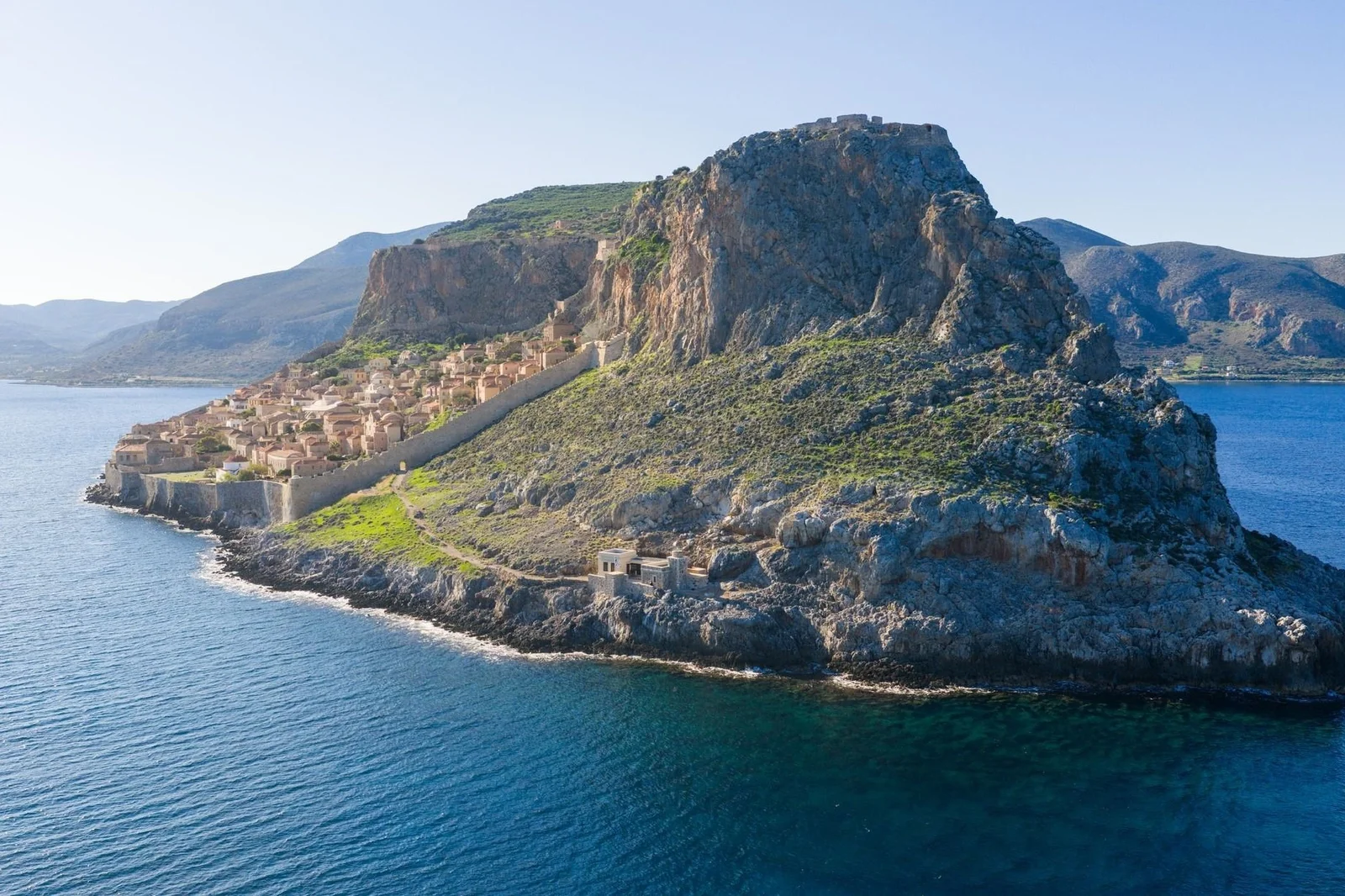
Peloponnese Property Investment Guide 2026: Markets
Peloponnese property investment 2026: €400K Golden Visa tier, Kalamata, Nafplio, Patra yields, Costa Navarino TEMES signal, and submarket comparison.
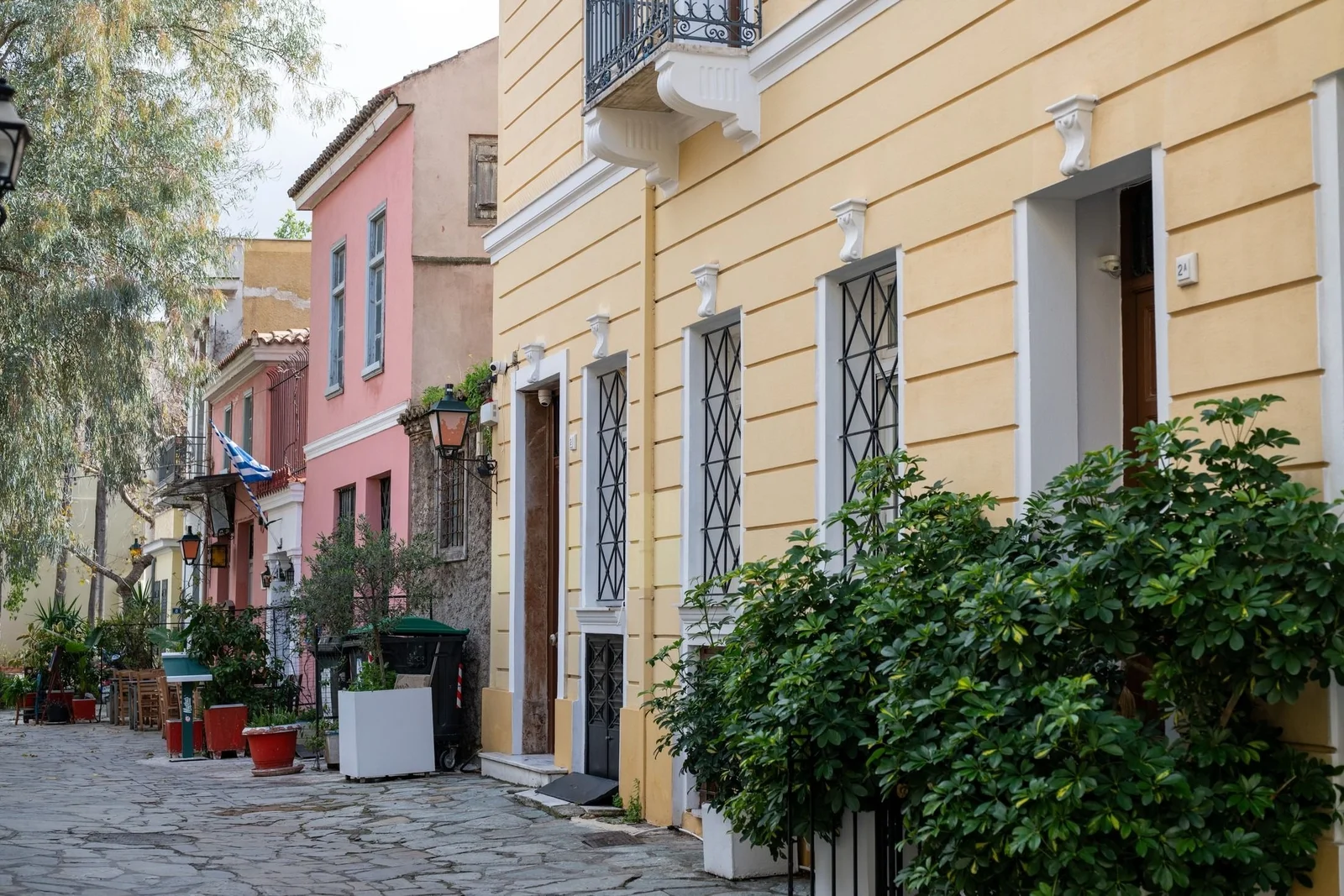
Athens Golden Visa €800K: Which Areas Qualify in 2026
Athens €800K Golden Visa zone: Piraeus, Glyfada, Voula, Vouliagmeni, Ellinikon. Prices, 120m² rule and area guide for 2026.
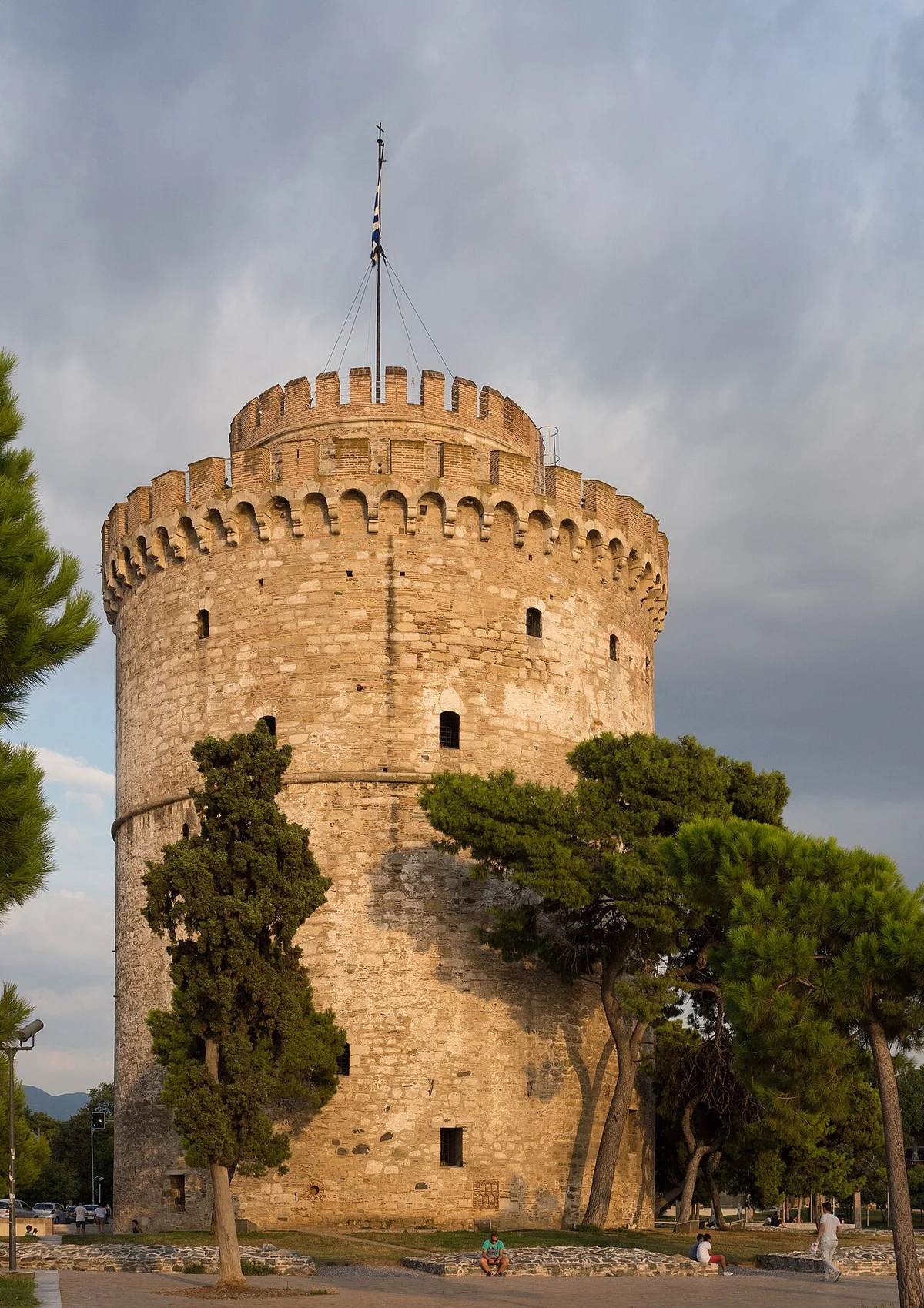
Thessaloniki Golden Visa €800K: Areas and Prices 2026
Thessaloniki Regional Unit is Greece's €800K Golden Visa zone. City avg ~€2,900/m², suburbs ~€2,100/m². 120m² rule, single property, yields 5 to 6.5% LTR.
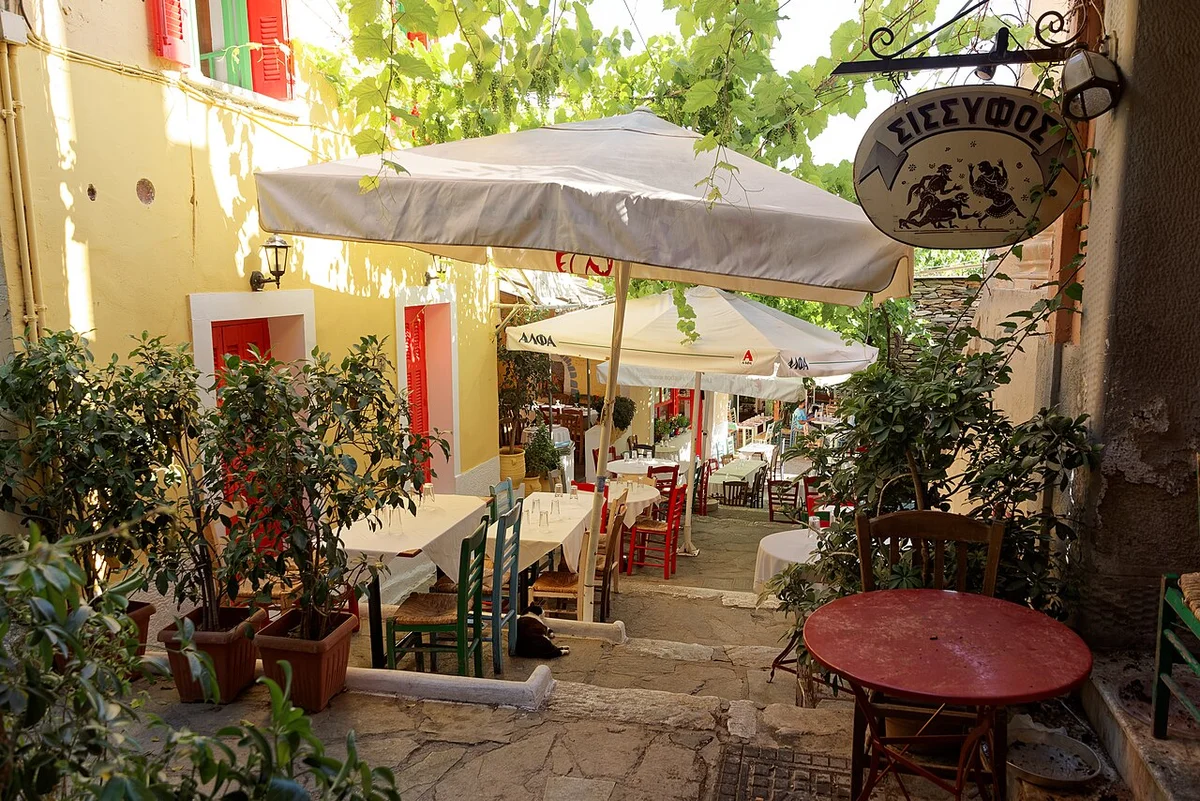
Greece Golden Visa €250,000 Conversion Route: 2026 Guide
Greece Golden Visa at €250K via commercial-to-residential conversion or heritage restoration: Law 5100/2024 rules, habitation standards, and the no-STR rule.
From reservation to residence permit
Realistic timelines, the documents that hold files up, and the money-movement rules under Circular 1/2026.

Greece Golden Visa Processing Time 2026: Full Timeline
Greece Golden Visa processing time explained: purchase phase 60-90 days, permit phase 8-14 months, total 12-18 months. 2025 data, Circular 1/2026 rules.
Golden Visa Greece Proof of Funds & Bank Transfer Guide 2026
Proof of funds for Greece Golden Visa: Greek bank account, SWIFT trail, KYC docs, Circular 1/2026 rules and €400K purchase fund-flow example.
Greece Golden Visa Bank Account & AFM: Complete 2026 Guide
How to get a Greek AFM and open a bank account for your Golden Visa property purchase: step-by-step, documents, timeline, remote options.
Greece Golden Visa Property Due Diligence Checklist
Step-by-step due diligence checklist for Greece Golden Visa property: title chain, 120m² rule, ENFIA clearance, border zone, and Circular 1/2026 bank tracing.
Golden Visa Lawyer Greece: How to Choose the Right One
How to choose a Greece Golden Visa lawyer in 2026: property vs immigration specialist, bar registration check, fee scope, POA workflow, and red flags.
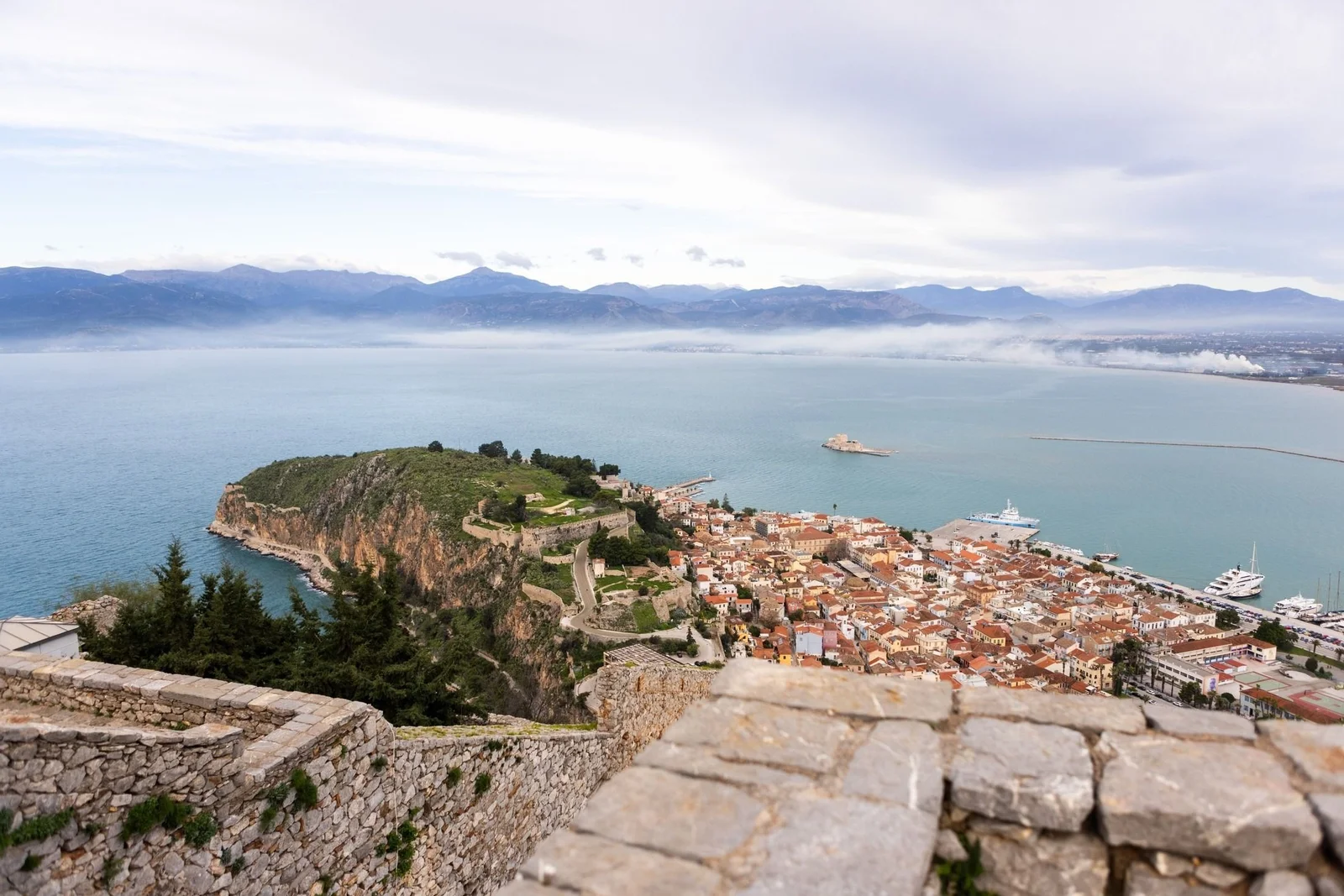
Greece Golden Visa Solicitor Cost: Fees Guide 2026
Golden Visa lawyer fees in Greece: 1 to 1.5% of property plus €1,500 to €4,000 immigration. Processing time, family costs and renewal fees for 2026.
Family, renewal and the long game
Who you can include, what renewal actually requires, and where the citizenship clock really starts.
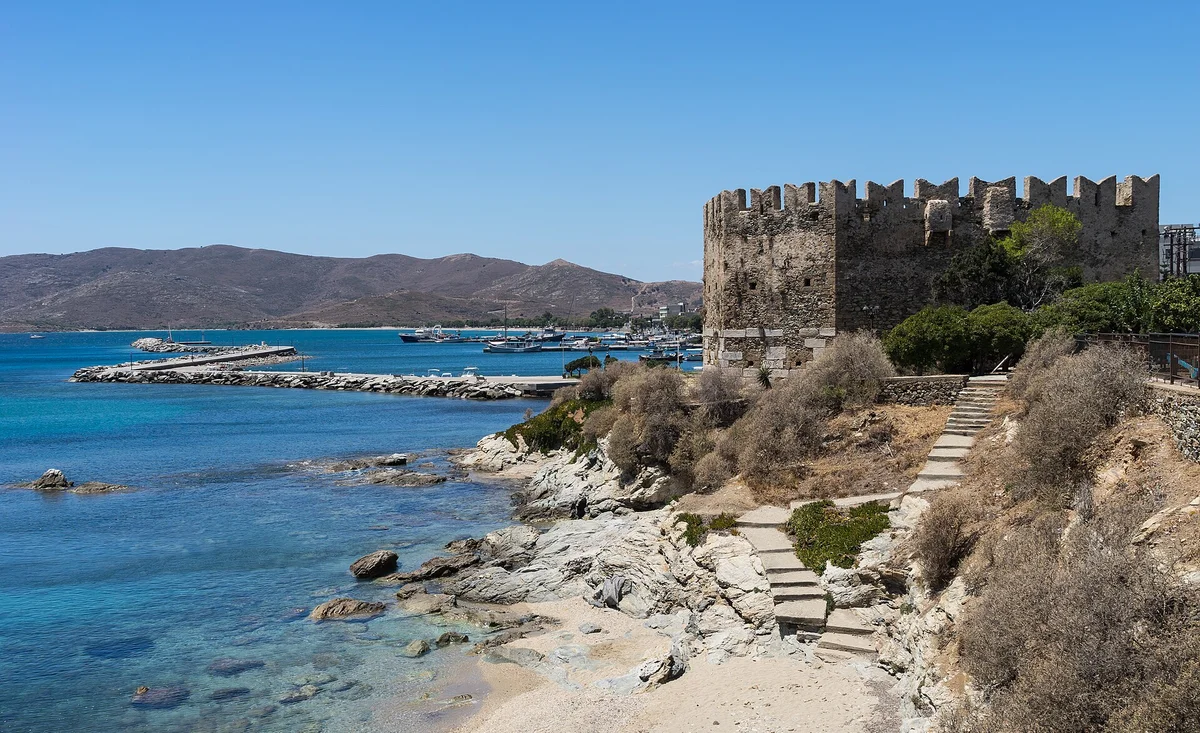
Greece Golden Visa for Family: Who Is Included 2026
One investment covers spouse, children under 21 and all four parents. Documents, renewal rules and what happens when a child turns 21.
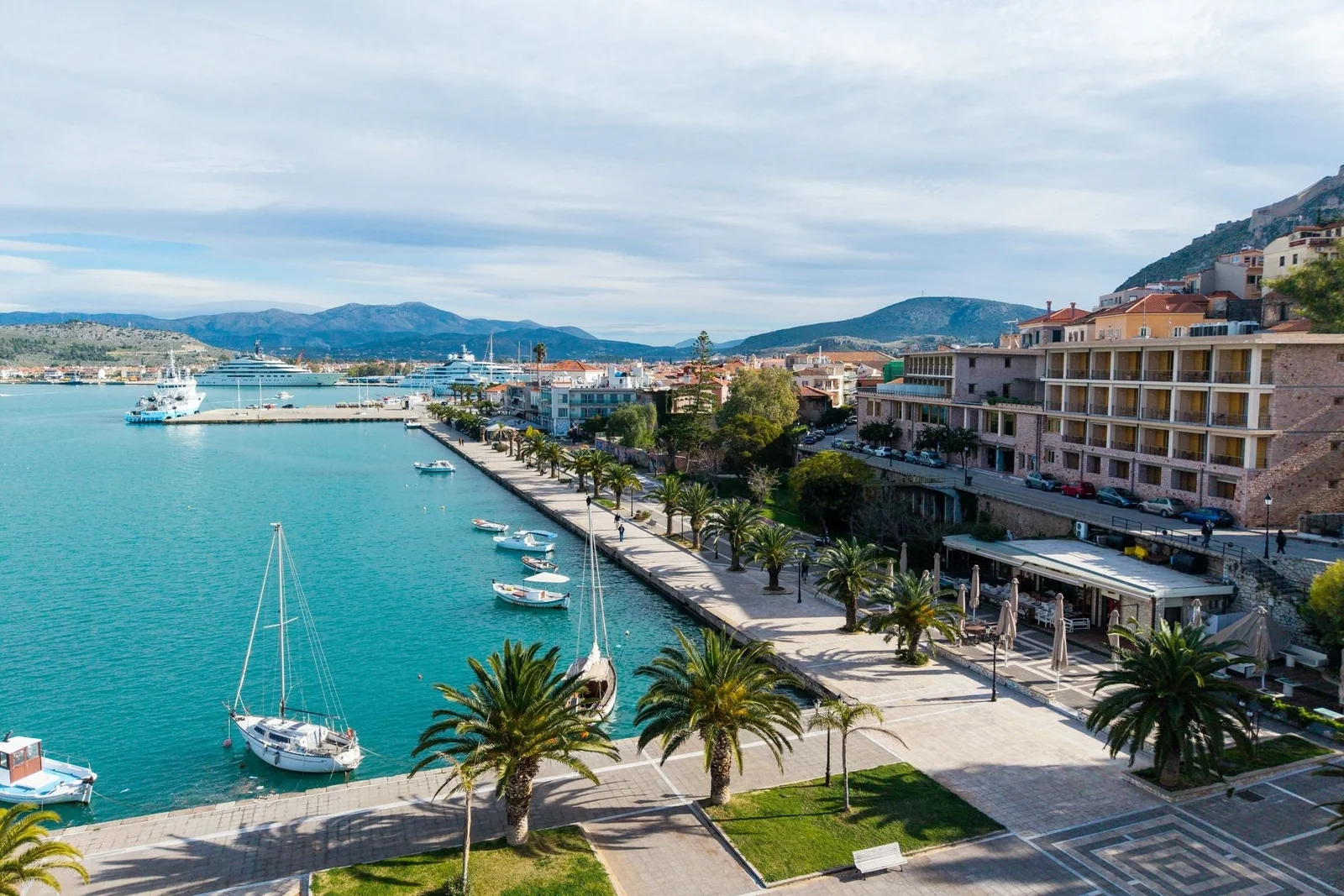
Golden Visa Greece: Bringing Your Parents Guide 2026
Bring parents on Greece Golden Visa: both sets included, no extra investment, docs, health insurance, biometric fees and renewal rules under Law 5100/2024.
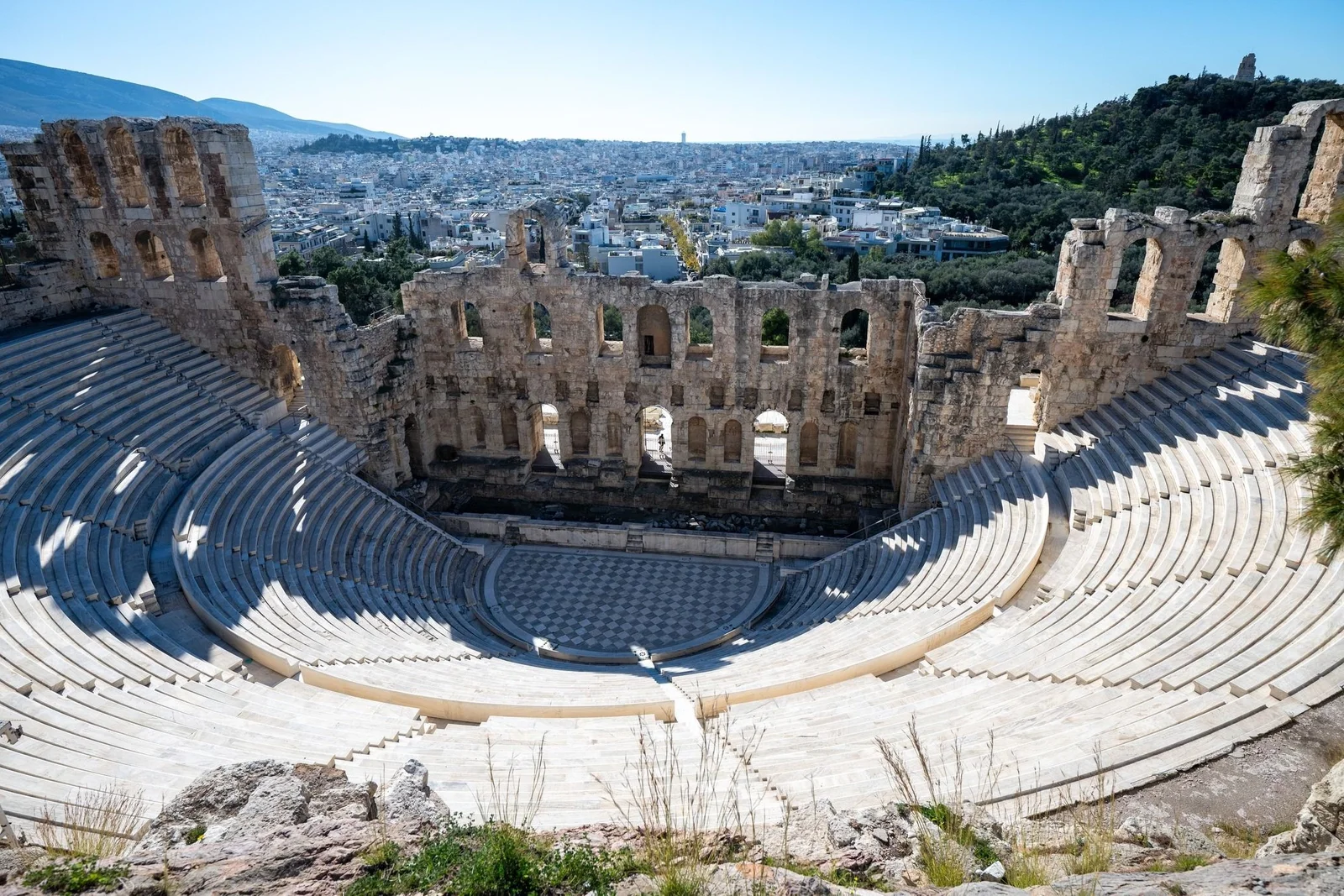
Greece Golden Visa Renewal: Requirements and 5-Year Cycle
Greece Golden Visa renewal every 5 years: property must stay held, insurance, criminal record, STR compliance, family members. Circular 1/2026 rules.
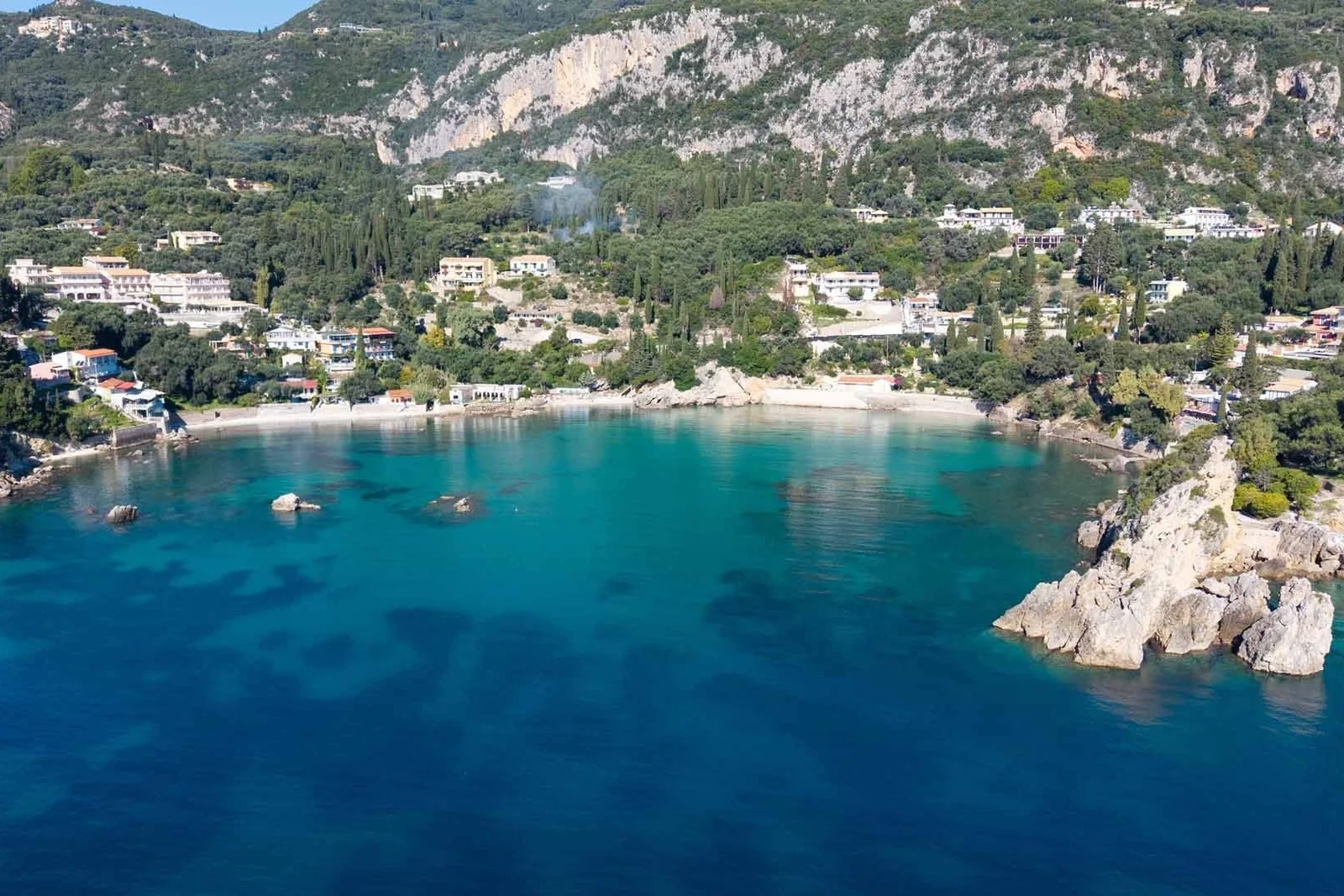
How Long Can You Stay in Greece on the Golden Visa?
Greece Golden Visa has zero minimum stay for renewal under Law 5100/2024. Schengen travel, bridging docs, 183-day tax risk, and family rules explained.
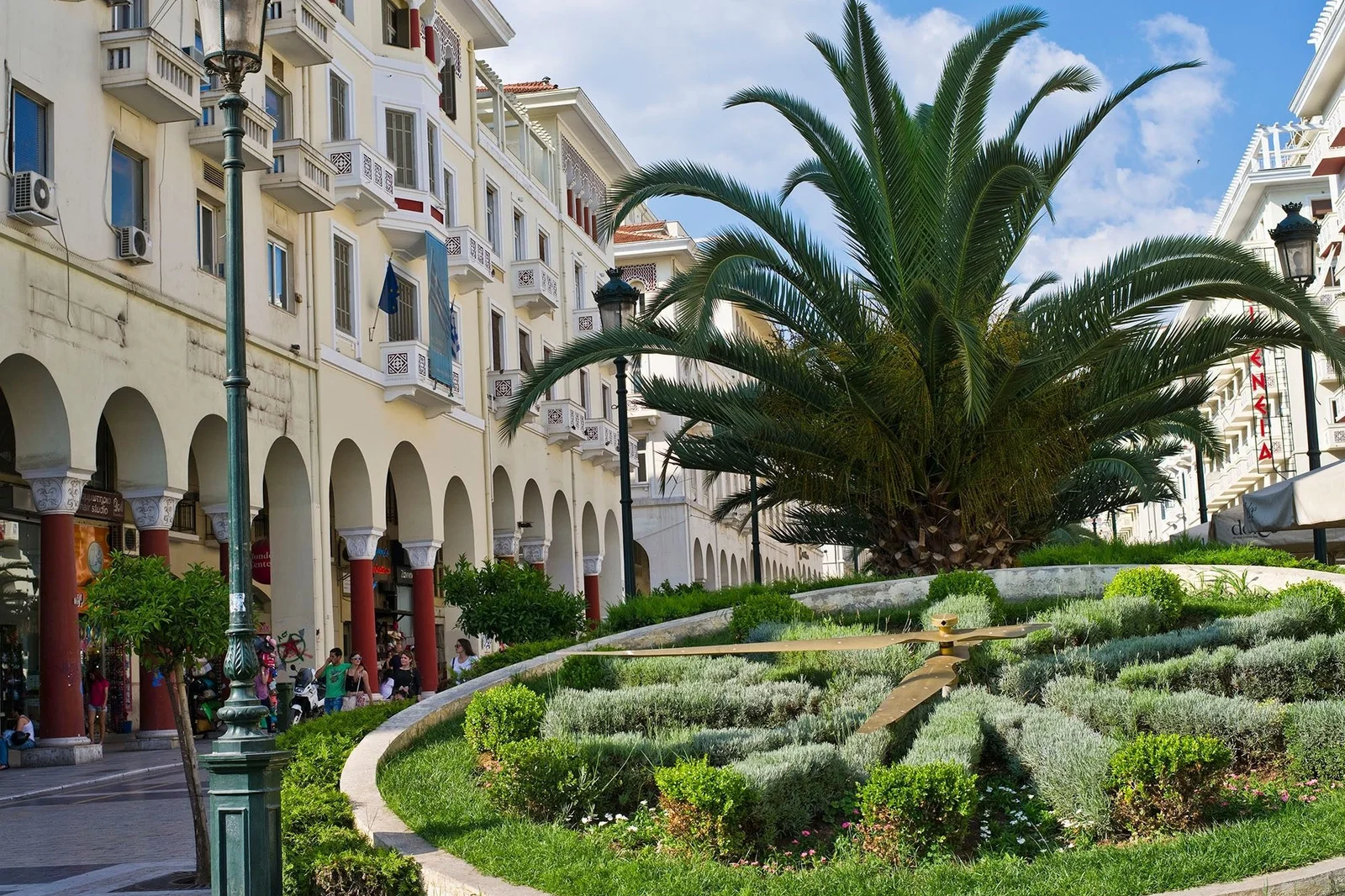
Greece Citizenship After Golden Visa: The 7-Year Path
Can a Greece Golden Visa lead to citizenship? The 7-year naturalisation path, physical presence rules, language requirement, and the EU passport outcome.

Selling Property After a Greek Golden Visa: Full 2026 Guide
Yes, you can sell Golden Visa property in Greece, but must replace the qualifying investment to keep your permit. Rules, tax, and key scenarios.
By where you are applying from
Treaty treatment, home-country reporting and transfer mechanics differ more than the visa rules do.
US Citizens Greece Golden Visa Property Guide 2026
US Golden Visa Greece: €400K Crete vs €800K Athens, Schengen 90/180 fix, FATCA, EB-5 alternative. Purchase roadmap for American buyers in 2026.
Greece Golden Visa Property Guide For Canadians 2026
Canadian buyers in Greece: Schengen 90/180, Toronto/Vancouver equity to €400K Crete, euro diversification, T1135 reporting, French-English note for Quebec.
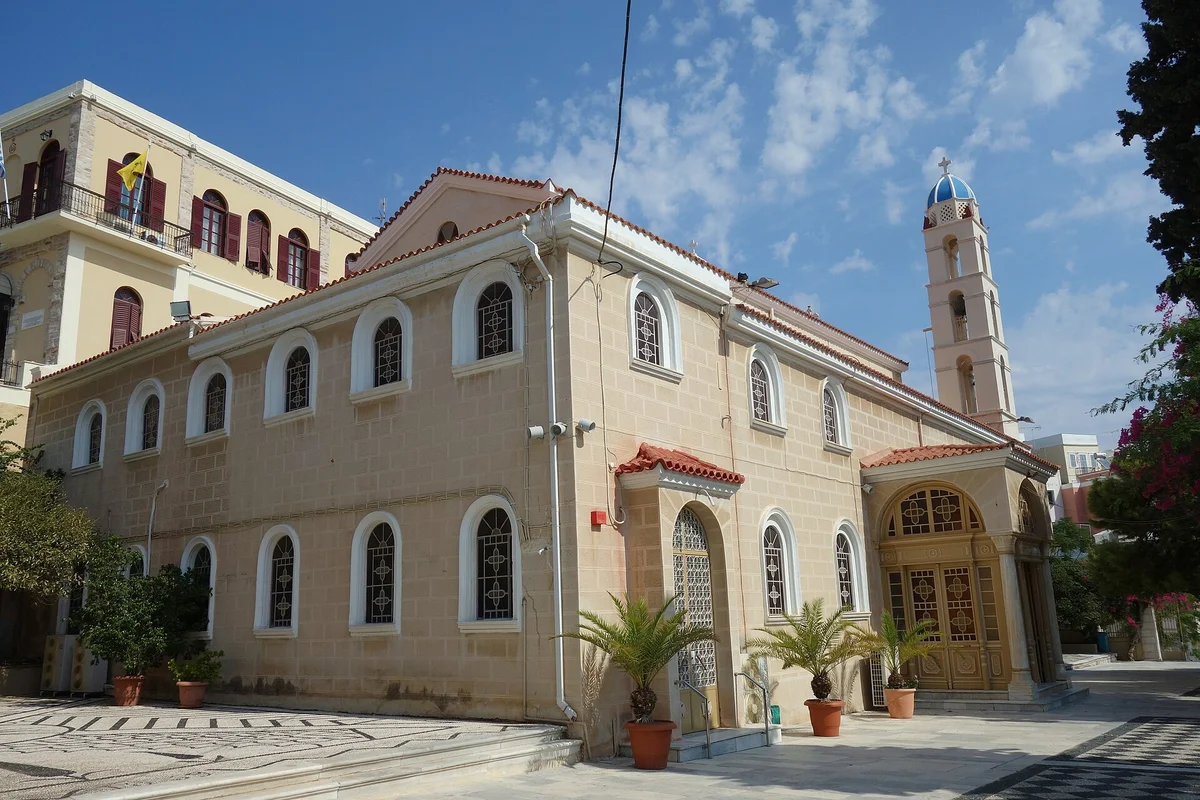
UAE Nationals Greece Golden Visa: Complete 2026 Guide
UAE nationals Greece Golden Visa: EU base from tax-free UAE, Dubai to Athens corridor, €800K vs €400K tiers, Gulf bank KYC and family roadmap.
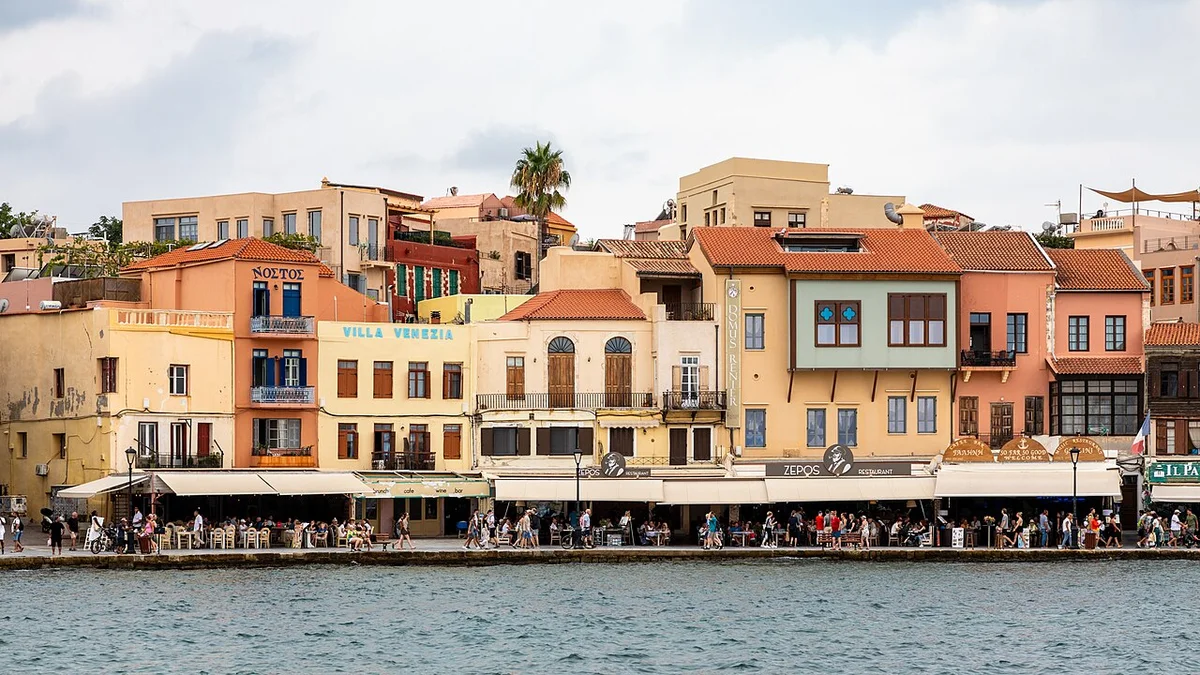
Indian Buyers Greece Golden Visa Property Guide 2026
Indian buyers Greece Golden Visa: Schengen access, €400K property route, AFM and bank setup, lawyer-led remote purchase from India or Dubai.
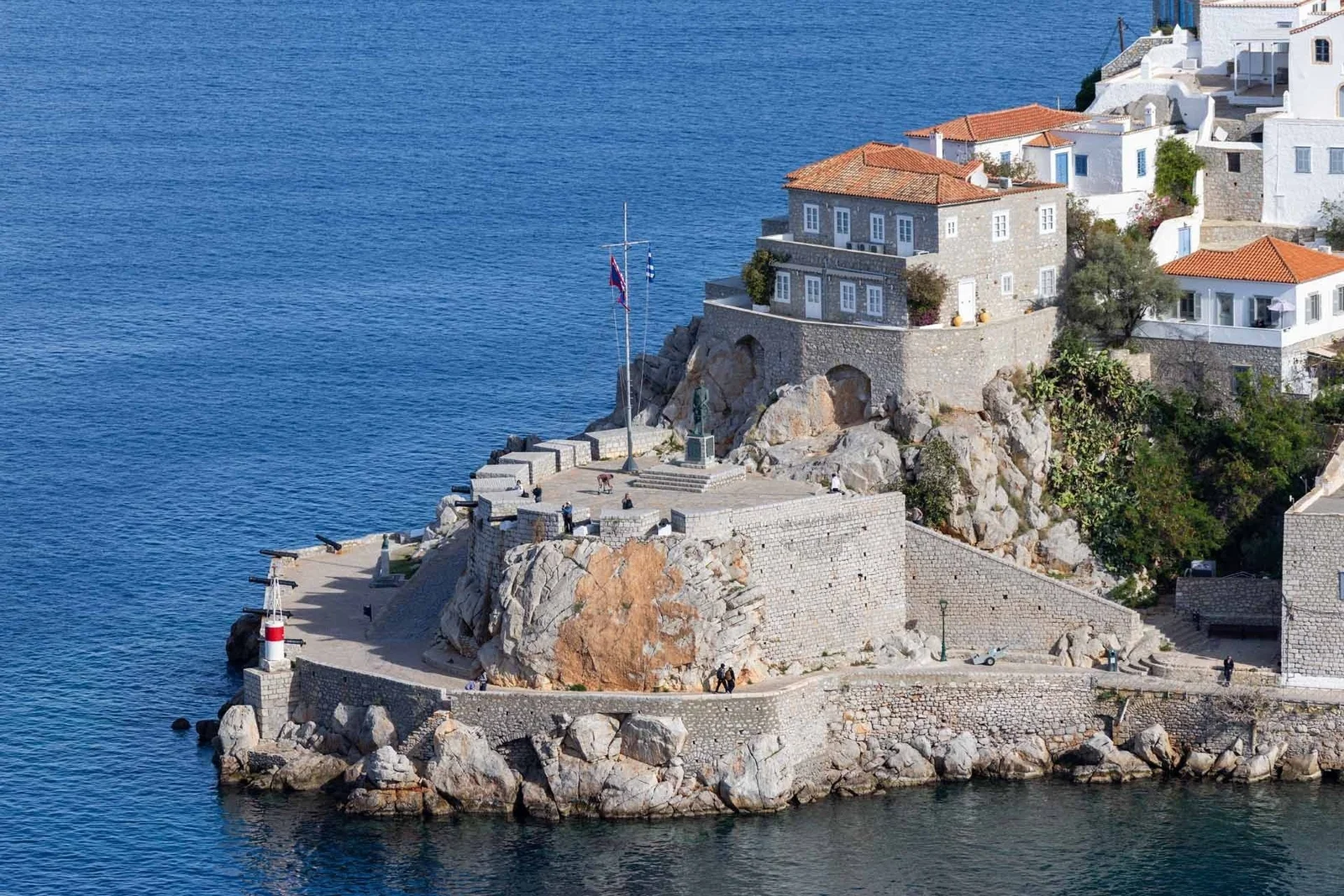
UK Buyers Greece Property 2026: Brexit & Golden Visa
797 UK Golden Visas in 2025 (+50.8%). Post-Brexit Schengen rules, Crete €400K, 120m² rule & AFM checklist for British buyers in Greece.
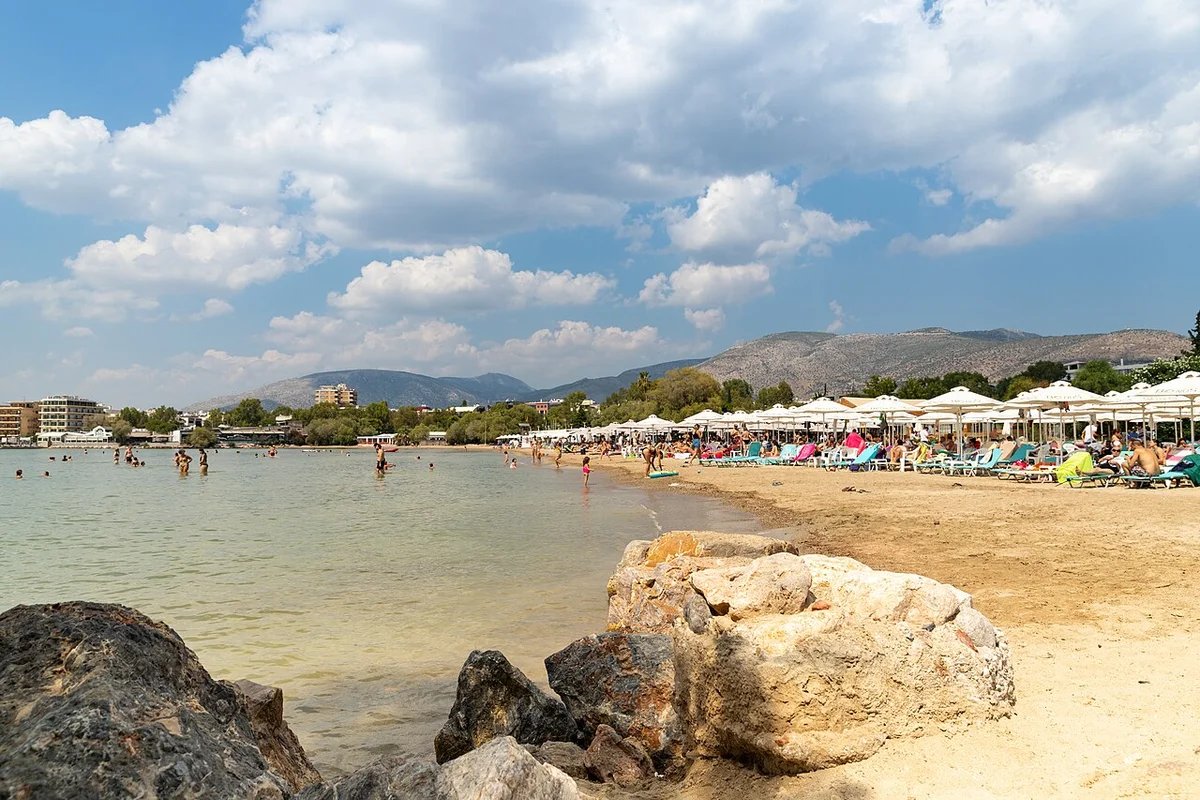
Israeli Buyers in Greece Property: 2026 Complete Guide
Israeli buyers in Greece: 636 GV permits in 2025 (+91.5%). Athens Riviera, Crete €400K tier, AFM, bank, due diligence, and Schengen residency roadmap.
Get a Golden Visa property shortlist
Tell us your tier, region and family situation. We reply within one business day with options that clear the 120 m² and single-deed tests.
Read next
Greece Golden Visa Property Tiers 2026: €800K vs €400K
Law 5100/2024 created three Greece Golden Visa tiers. Compare €800K prime zones, €400K regional, and €250K conversion thresholds to pick the right investment.
Golden Visa 120 m² Rule Greece 2026: Single Deed Only
Balconies and parking do not count. How engineers certify main usable area for €400K and €800K tiers, common deed mistakes, and the €250K heritage exemption.
Greece Citizenship After Golden Visa: The 7-Year Path
Can a Greece Golden Visa lead to citizenship? The 7-year naturalisation path, physical presence rules, language requirement, and the EU passport outcome.
Greece Golden Visa for Family: Who Is Included 2026
One investment covers spouse, children under 21 and all four parents. Documents, renewal rules and what happens when a child turns 21.