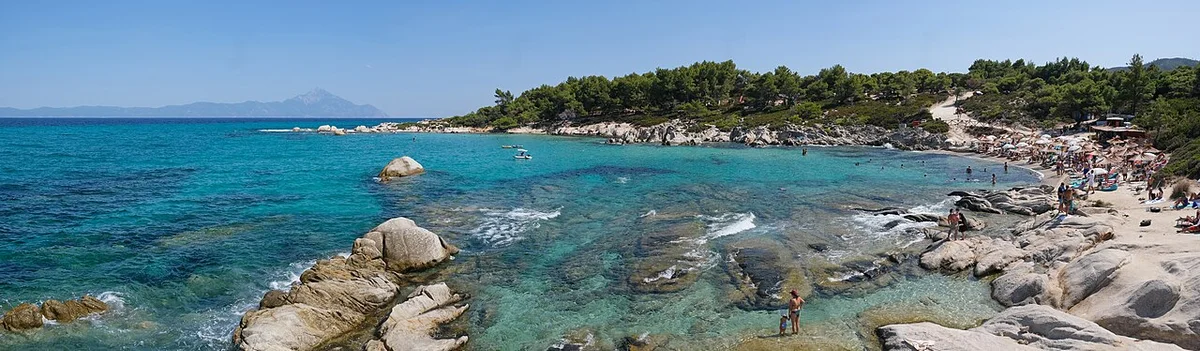
Quick answer: Halkidiki asks up to about €2,667 per square metre on published market summaries, which places it above the Peloponnese at about €1,778 and below the busier Ionian islands. It is northern Greece’s coast, an hour from Thessaloniki by road, with three peninsulas of which two are open to buyers. The whole region sits in the €400,000 Golden Visa tier, unlike Thessaloniki itself which is prime zone at €800,000. Its buyer pool is mostly Greek and Balkan, which makes the market steadier and cheaper than an equivalent island.
A note on the data before the numbers
Every other regional page on this site quotes a single portal index with a reference month. Halkidiki is not covered by that dataset in the same way, so the figures here come from published market summaries and are given as a band rather than a point.
That is a smaller claim than the ones made elsewhere and it is worth flagging rather than smoothing over. Treat a band topping out near €2,667 as an order of magnitude that positions the region against its alternatives, not as a valuation. For an actual purchase, local listings and a local agent are the source, and the market overview explains why asking prices and transaction prices answer different questions in any case.
| Where | Asking price per m² | Source |
|---|---|---|
| Halkidiki, upper end of the reported band | about €2,667 | Market summaries, 2026 |
| Rhodes, island average | about €2,421 | Indomio, January 2026 |
| Peloponnese, regional average | about €1,778 | Indomio, March 2026 |
Three peninsulas, two of which you can buy on
| Peninsula | Character | Open to buyers |
|---|---|---|
| Kassandra | Most developed, resort building, densest summer population | Yes |
| Sithonia | Greener, mountainous, far less built, pine forest to the coves | Yes |
| Athos | Largely the autonomous monastic state | No |
Halkidiki reaches into the Aegean as three fingers, and they are genuinely different places.
Kassandra, the westernmost, is the closest to Thessaloniki and the most developed. Resort building, holiday apartments, beach clubs and the densest summer population. This is where the letting market is and where the summer traffic goes.
Sithonia, the middle, is greener, more mountainous, far less built and much quieter. Pine forest running down to coves, fewer large developments, and the peninsula that most people who know the region prefer. Prices reflect the scarcity of built stock rather than the presence of infrastructure.
Athos, the easternmost, is largely the autonomous monastic state of Mount Athos. It is not open to property purchase, and it is closed to women entirely. For a buyer it is scenery on the horizon rather than a market.
So the practical choice is Kassandra or Sithonia, and it is the same choice that recurs across Greece in different clothes: the developed side with the letting demand, or the quiet side with the landscape.
The buyer pool is the story here
This is what makes Halkidiki different from every island page on this site, and it explains both the prices and the way the market behaves.
The dominant buyers are Greeks from Thessaloniki, for whom Halkidiki is not a destination but the local coast, the place you go on a Friday afternoon. Underneath that sits substantial Balkan demand: buyers from Bulgaria, Serbia, Romania and North Macedonia, all of whom can drive here in a day and many of whom have been coming for a generation.
Northern European interest exists and is a fraction of what the islands attract.
Two consequences follow.
The market is steadier. Domestic and regional demand driven by proximity does not move in step with international holiday sentiment. A soft year for foreign buyers in Greece is not automatically a soft year here.
Prices are capped by the marginal buyer. A Thessaloniki family comparing a Halkidiki house against other Greek options prices differently from a northern European comparing a Greek island against Spain and Croatia. That is a large part of why the region asks less than an equivalent island coastline.
For a foreign buyer both of those are advantages, with one caveat: at resale you are selling into a mostly domestic market, so the price is set by what a Greek or Balkan buyer will pay rather than by what you paid.
Golden Visa: the threshold halves outside the city
Thessaloniki is named in the prime zone under Law 5100/2024 and requires €800,000. Halkidiki, an hour away by road, sits in the €400,000 tier.
That is one of the sharper discontinuities in the Greek tier map, and it runs along a boundary that a buyer would not otherwise notice. Someone looking for a qualifying purchase near Thessaloniki can halve the threshold by looking at the coast instead of the city, at the cost of everything a city provides.
At Halkidiki prices, €400,000 corresponds to roughly 150 to 200 square metres, which clears the 120 square metre main usable area requirement with room. The tier guide sets out the zones and the Thessaloniki €800,000 guide covers the city side of the same boundary.
As everywhere, the tier follows the cadastral parcel, so a property near the boundary should be confirmed against the land registry rather than assumed from its postal address.
Season, and why it is not an island season
Halkidiki is seasonal and the shape is different from anywhere offshore.
Because it is a road destination for a city of a million people and for a large Balkan catchment, weekend demand runs well beyond the peak weeks. Shoulder seasons are genuinely active rather than notionally so. Kassandra’s resort areas empty in winter as resort areas do everywhere, but nothing becomes inaccessible, because everything remains a drive.
For an owner that means a longer usable season, more realistic winter access, and a letting profile with lower peaks and a broader base than a Cycladic property would show. It also means summer weekend traffic on the Kassandra road that people who have not experienced it consistently underestimate.
Thessaloniki, and why the region depends on it
Halkidiki cannot be understood without the city an hour away, in a way that no island depends on any city.
Thessaloniki is Greece’s second city, with a population around a million in the wider area, a major university, a port, a hospital network and an international airport with good European connections. Halkidiki is its coastline in the same sense that the Athens Riviera is Athens’s, except further away and considerably less built.
Three things follow from that relationship.
Services are an hour away rather than absent. Hospitals, specialists, large retail, professional services and an airport are all reachable in a normal drive. That is a different proposition from an island where the nearest hospital is a ferry or a short flight, and it matters most to exactly the buyers who most often overlook it: older ones, and anyone planning to spend real time here.
The letting market has a domestic base. City weekends, Greek summer holidays and Balkan road tourism produce demand that is not dependent on international flight schedules or on a foreign holiday season.
Resale depends on Thessaloniki’s economy. That is the other side of the same coin. A market underpinned by a single regional city is exposed to how that city is doing, in a way that a market of international buyers is not. It is steadier and it is less diversified, and both statements are true at once.
For anyone weighing this region against a Greek island, the honest framing is that you are choosing a different kind of risk rather than less of it.
What to check in Halkidiki specifically
The standard due diligence sequence applies, with three local emphases.
Forestry designation. Much of Sithonia and parts of Kassandra are wooded, and land classified as forest carries restrictions on building that are strict and not always obvious from the ground. This is the single most common complication in the region.
Coastal setback. Building near the shoreline is regulated, and a plot with sea frontage is not automatically a plot with a buildable sea frontage.
Cadastre against reality. The cadastre check matters here as elsewhere, particularly on larger rural plots where boundaries were historically informal.
What a budget buys
| Budget | At the upper band, about €2,667/m² | For comparison, Peloponnese at €1,778/m² |
|---|---|---|
| €250,000 | about 94 m² | about 141 m² |
| €400,000 | about 150 m² | about 225 m² |
| €600,000 | about 225 m² | about 337 m² |
At the top of the reported band a €400,000 budget corresponds to roughly 150 square metres of built area before costs, which clears the 120 square metre Golden Visa area requirement with room. Toward the lower end of the band it buys appreciably more.
Those numbers sit between the Peloponnese and the Ionian islands, which is exactly where the region sits in every other respect. Acquisition costs come off buying power first, and the cost stack sets them out.
Buyer scenarios
A buyer connected to northern Greece or the Balkans. This is the region’s natural buyer, and the case is straightforward: coast, pine forest, a drive rather than a flight, and prices below the islands. Resale into the same pool that bought it.
A buyer with €400,000 wanting a Golden Visa file near a city. Halkidiki qualifies at half the Thessaloniki threshold, with the area rule comfortably met. The property is likely to be a normal house for its area rather than something stretched to reach a number.
A long-haul buyer choosing between here and an island. Harder. Thessaloniki airport has good European connections and fewer long-haul ones, the international buyer pool at resale is thin, and the recognition that supports island prices is absent. The advantages here are real and they are mostly advantages to someone who can drive.
Risks and red flags
Forestry classification on wooded plots. The most common regional complication and entirely checkable in advance, though the check takes time and is worth starting on the day an offer is contemplated rather than the week before completion.
Assuming the Thessaloniki tier applies. It does not, and the difference runs in your favour, but the boundary is a parcel question rather than a postal one.
Treating the price band as a valuation. The data here is thinner than for the islands, which is why it is a band.
Underestimating the summer road. Kassandra in August is a Greek city’s weekend, and that is a specific and busy thing, closer in feel to a crowded domestic resort than to a quiet foreign holiday island.
Buying international recognition that is not there. Halkidiki is a superb coastline with a domestic market. It is not an island brand and the resale market reflects that.
Assuming Sithonia is simply cheaper Kassandra. It is less built because more of it is wooded, protected or difficult, which is why it is quieter and also why a plot there needs more checking before it turns out to be buildable.
Frequently Asked Questions
Published market summaries put asking prices in a band topping out near €2,667 per square metre, which places the region above the Peloponnese at about €1,778 and below the busier Ionian islands. Halkidiki is not covered by the single portal index used for the island pages on this site, so these figures come from secondary summaries and are deliberately given as a band rather than a point. Use them to position the region, not to value a property.
The €400,000 tier, since Halkidiki is outside Attica and is not named in the prime zone under Law 5100/2024. The contrast worth knowing is Thessaloniki, an hour away, which is named in the prime zone and requires €800,000. The threshold therefore halves as soon as you leave the city for the coast. At regional prices €400,000 corresponds to roughly 150 to 200 square metres, clearing the 120 square metre area requirement with room.
Kassandra is the westernmost peninsula, closest to Thessaloniki and the most developed, with resort building, holiday apartments and the densest summer population, which is where the letting market sits. Sithonia is the middle peninsula, greener and more mountainous, far less built, with pine forest running down to coves and fewer large developments. The third peninsula, Athos, is largely the autonomous monastic state and is not open to property purchase.
Mostly Greeks from Thessaloniki, for whom this is the local coast rather than a destination, plus substantial demand from Bulgaria, Serbia, Romania and North Macedonia, all within a day's drive. Northern European interest exists and is a fraction of what the islands attract. That mix makes the market steadier and less correlated with international sentiment, and it also caps prices, because the marginal buyer is comparing against domestic rather than Mediterranean-wide alternatives.
Seasonal, but with a different shape from an island. Because it is a road destination for a city of a million people and a large Balkan catchment, weekend demand extends well beyond the peak weeks and the shoulder seasons are genuinely active. Resort areas on Kassandra empty in winter as resort areas do everywhere, but nothing becomes inaccessible since everything remains a drive rather than a ferry or a seasonal flight.
It depends on whether you want a coastline or a destination. Halkidiki gives pine forest meeting clear water, year-round road access and prices below the busier islands, with a mostly Greek and Balkan buyer pool. The islands give international recognition, stronger peak-season letting rates and a foreign resale market. Halkidiki is the better answer for anyone based in or connected to northern Greece and the Balkans, and a harder one for a buyer arriving long-haul.
Forestry designation first, because much of Sithonia and parts of Kassandra are wooded and land classified as forest carries strict building restrictions that are not always obvious on the ground. Then coastal setback rules, since a plot with sea frontage is not automatically a plot you may build near the water on. Then the cadastre entry against what is physically there, particularly on larger rural plots where boundaries were historically informal.
Next steps: the wider Greek market · the Peloponnese, the other mainland coast · the Golden Visa tiers.
Read next
Greece Golden Visa Property Tiers 2026: €800K vs €400K
Law 5100/2024 created three Greece Golden Visa tiers. Compare €800K prime zones, €400K regional, and €250K conversion thresholds to pick the right investment.
Due Diligence Greece Property: The Complete 2026 Checklist
Due diligence Greece property: title search, cadastre, ENFIA arrears, permits, engineer survey, co-ownership, mortgages, Golden Visa tier. Full checklist.
12 Hidden Costs Buying Property in Greece: 2026 List
The real total for a Greek purchase: transfer tax 3.09%, notary, lawyer and agent fees plus 12 costs buyers miss, with a worked example on a €400K purchase.
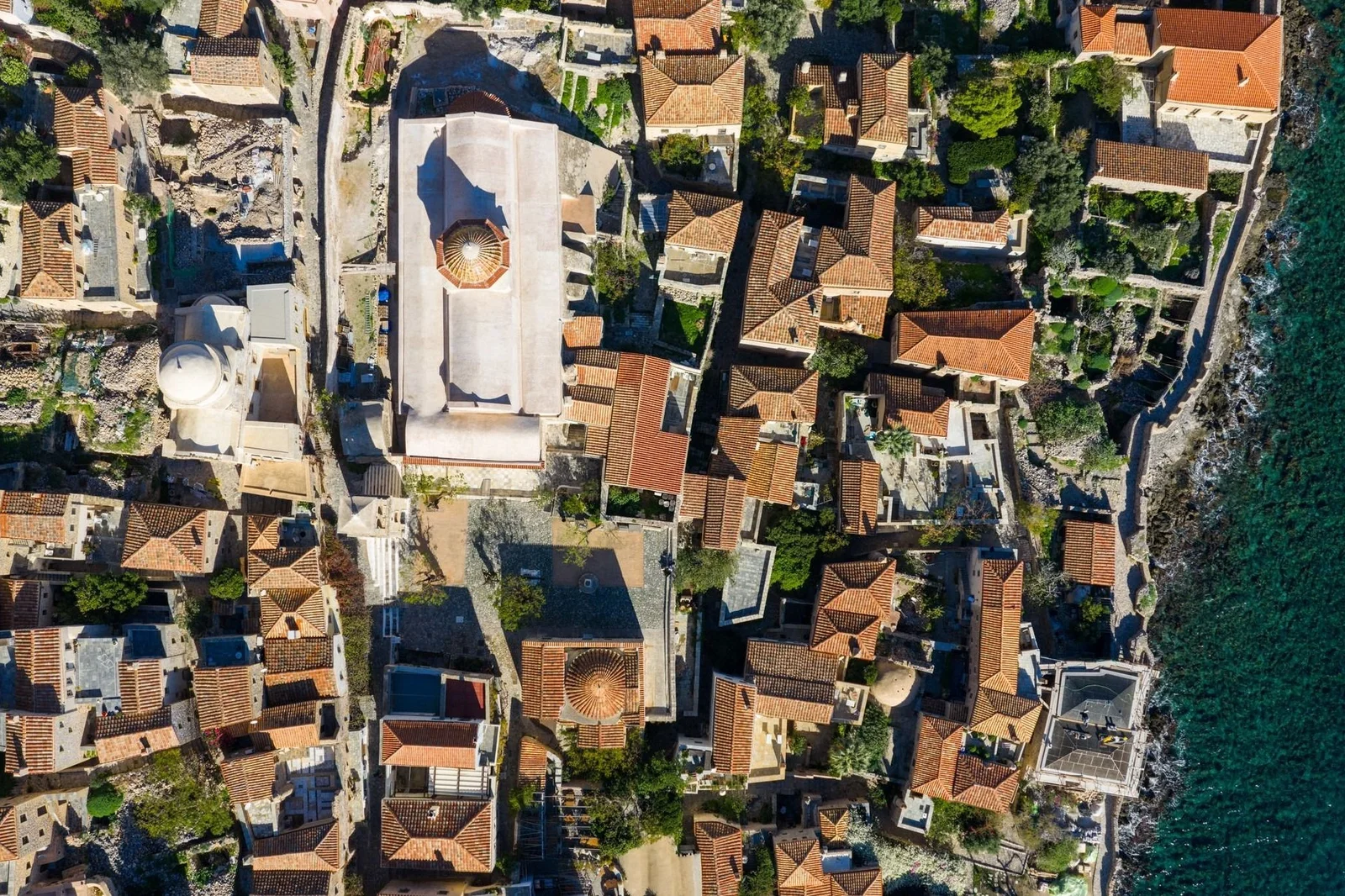
Greece Property Cadastre Check: Verify Title Before You Buy
Greece property cadastre check: Ktimatologio lookup, unknown owner status, forest registry overlap, lawyer extracts, red flags, registration timelines.
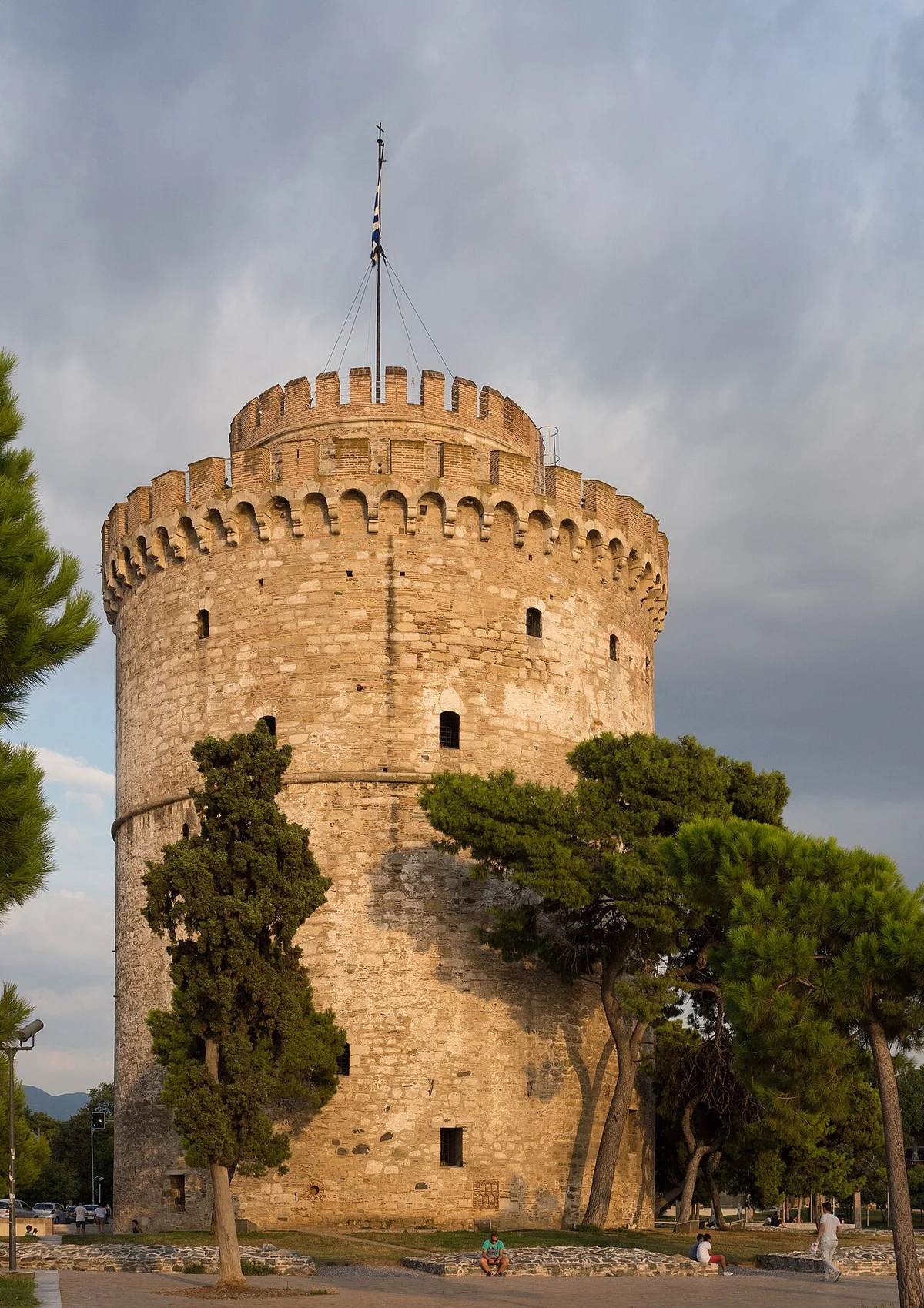
Thessaloniki Golden Visa €800K: Areas and Prices 2026
Thessaloniki Regional Unit is Greece's €800K Golden Visa zone. City avg ~€2,900/m², suburbs ~€2,100/m². 120m² rule, single property, yields 5 to 6.5% LTR.
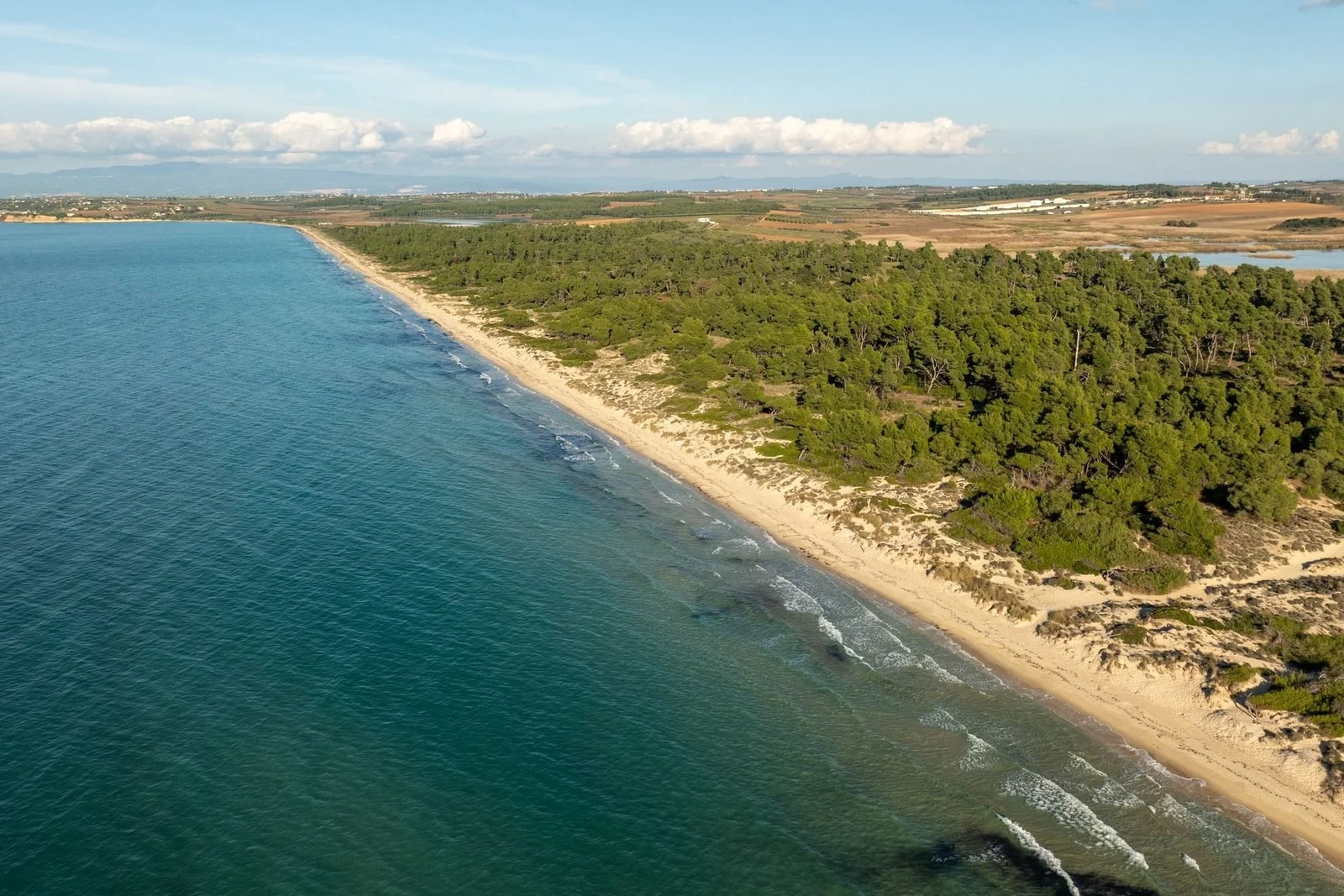
Halkidiki Property Investment Guide 2026: Coast & ROI
Halkidiki property investment 2026: €400K Golden Visa tier, Kassandra & Sithonia coast, second-home market, Thessaloniki proximity, yields and risks.
Get your Greece property shortlist
Share your budget, region (Athens, Crete, islands, or Peloponnese), and Golden Visa goal. We reply within one business day with matched options and next steps.