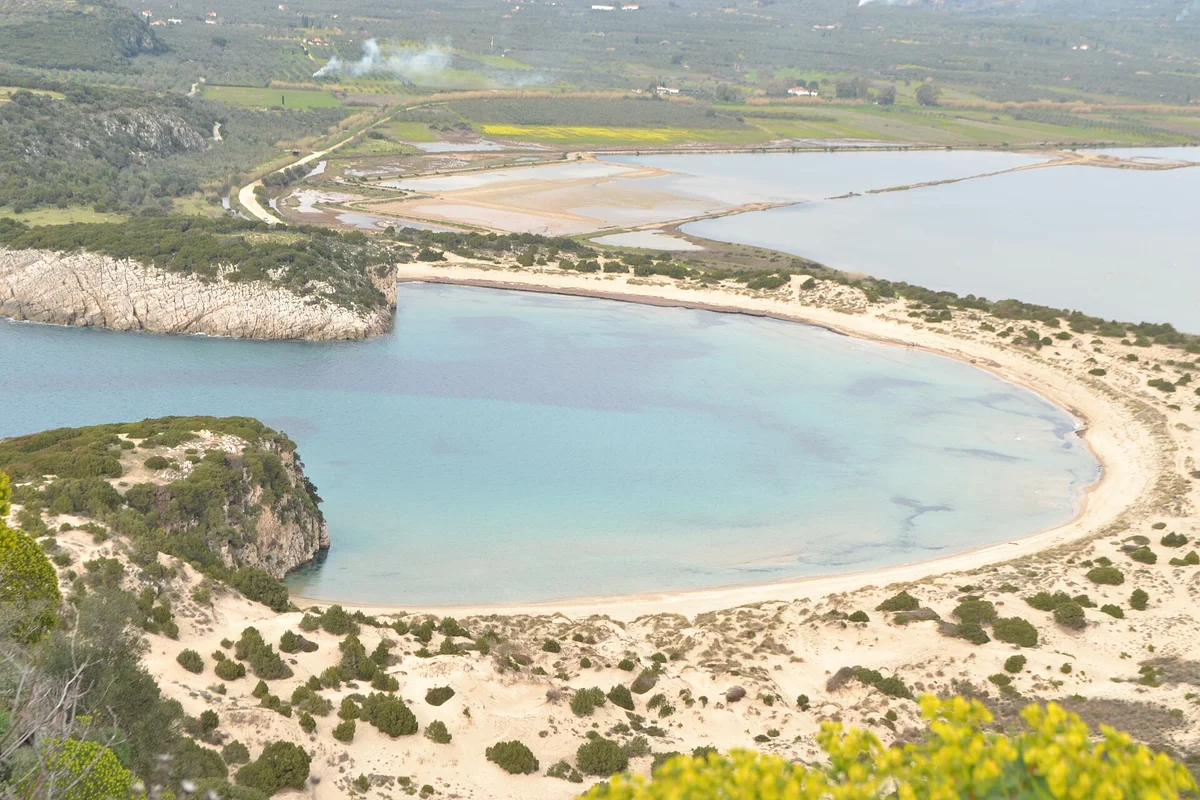
Quick answer: the Peloponnese averages about €1,778 per square metre on March 2026 listing data, up 7.63% in a year, which is the cheapest Greek region with a coastline in the reference set. It offers sea, mountains and a long season without the island premium, and it is reachable by motorway from Athens year-round. The whole peninsula falls in the €400,000 Golden Visa tier, and at these prices €400,000 corresponds to roughly 225 square metres, so the area rule is met with room rather than binding.
The cheapest Greek coastline
| Where | Asking price per m² | Source and reference |
|---|---|---|
| Peloponnese, regional average | about €1,778 | Indomio, March 2026 |
| Kefalonia, island average | under €2,400 | Indomio, June 2026 |
| Zakynthos, province average | about €2,889 | Indomio, October 2025 |
| Rhodes, island average | about €2,421 | Indomio, January 2026 |
| Mykonos | about €7,623 | Indomio, September 2025 |
Asking prices across the peninsula rose 7.63% year on year to March 2026, which is a more moderate rise than the islands recorded over comparable windows and a sign of a market moving steadily rather than sharply. All of these are asking prices from live listings rather than recorded transactions, which the market overview explains at length.
The comparison worth sitting with is the first two rows. The Peloponnese is a third cheaper than the cheapest of the Ionian islands, and it has more coastline than any of them. What it does not have is the word “island” attached to it, and that word is essentially the whole price difference.
The domestic buyer underneath the foreign one
The structural difference between the Peloponnese and every island in this section is not the ferry. It is who else is buying.
On a Greek island the buyer pool for a second home is overwhelmingly foreign, seasonal and correlated. When European sentiment turns, or a currency moves, or a summer disappoints, most of the pool reprices at the same time, because most of the pool is doing the same thing for the same reason.
The Peloponnese has an Athenian weekend market sitting underneath the international one. Nafplio is under two hours from the capital on motorway, the northern Corinthian coast closer still, and Porto Heli has absorbed Athenian sailing and weekend money for decades. That demand is domestic, year-round, driven by proximity rather than by holiday sentiment, and it does not move in step with foreign buying.
Two consequences follow for anyone thinking past the purchase. Resale is easier because there are two independent groups who might want the house, and a soft year for international buyers is not automatically a soft year for the market. It is the closest thing to diversification available inside a single property decision.
The corollary is that parts of the peninsula are priced by Athenians rather than by foreigners, which means value is judged against what a Greek family will pay for a weekend house rather than against what a northern European will pay for a holiday one. Those are different numbers and the Athenian one is usually lower, which is part of why the region is cheap.
Reaching it, and what that changes
Nafplio is under two hours from Athens, Kalamata around three, the far Mani longer but still a drive. No ferry, no flight, no seasonal timetable.
The consequences are practical rather than romantic. A renovation is quoted at mainland rates by trades who live nearby rather than at island rates by trades who have to be brought across and housed. Works can be scheduled in January. An owner can visit in February on a weekend without planning it. And a buyer can view the property in any month, which is not true of somewhere reached by a summer ferry.
Four areas, four different propositions
The Argolid, around Nafplio and Porto Heli. Closest to Athens, the most established for both Greek and foreign buyers, and the part that behaves most like a second-home market. Nafplio itself is a Venetian harbour town that stays alive through winter, which is unusual and valuable. Porto Heli is where the Athenian sailing and weekend money goes.
Messinia, around Kalamata and Costa Navarino. The southwest, with an airport, olive country, long beaches and the resort development that has put the region on international maps. Kalamata is a real city with a hospital and year-round services. This is the part of the peninsula with the clearest international profile.
The Mani. The middle peninsula, rugged, stone-built, with fortified tower houses and a landscape that looks like nowhere else in Greece. It is the area foreign buyers fall hardest for and the one where practical questions bite most: distance, terrain, water, and building rules on protected settlements.
The northern coast, along the Corinthian Gulf. Closest to Athens, cheapest, least known abroad, and largely a domestic weekend market. Little international recognition, which shows in the prices.
Each of those is a different market with a different buyer, and averaging them into a single regional figure loses most of what a buyer needs to know.
Golden Visa: the tier is comfortable here
The Peloponnese sits entirely in the €400,000 tier under Law 5100/2024, since it is not part of Attica and contains no location named in the prime zone.
At regional average asking prices near €1,778 per square metre, €400,000 corresponds to roughly 225 square metres of built area. That comfortably clears the 120 square metre main usable area requirement, which is the opposite of the situation on the expensive island coasts, where the area rule binds before the price does.
The practical consequence is that the Peloponnese is one of the easier places in Greece to construct a qualifying purchase that is also a sensible house. A buyer at the threshold is not stretching for the area and is not buying something outside the local market. The tier guide sets out the zones, and the tier follows the cadastral parcel rather than the region’s reputation.
The letting restriction applies as everywhere: a qualifying property may only be let on leases of twelve months or longer. That costs less here than on an island, because the long-let market is more real and the peak-season premium is smaller.
Letting: flatter and longer
The Peloponnese does not produce island nightly rates and it does not have an island season either.
Tourism is real but dispersed across archaeology, beaches, hiking, olive country and the resorts, rather than concentrated into eight weeks on a strip. The season runs longer at both ends because the mainland stays accessible. And Athens weekend demand supports parts of the northern and eastern coast in a way that no island experiences.
For an owner the practical shape is lower peaks and a flatter curve. Anyone modelling Cycladic-style peak rates here will be disappointed. Anyone who would rather have twenty moderate weeks than eight strong ones may find it suits better, particularly given that the Greek rental income scale reaching 45% from 2026 taxes the peak as harshly as the trough.
What to check in the Peloponnese specifically
The standard due diligence sequence applies, with four local emphases.
Water and irrigation rights. This is agricultural country and water is a real asset attached to land rather than an assumption. Establish what a plot has.
Access. Rural plots frequently sit on tracks rather than adopted roads, and the difference matters for building permits, for services and for resale.
Archaeology. The Peloponnese is dense with it. A plot can carry constraints, and excavation can trigger an assessment that halts works.
Protected settlements in the Mani. The tower-house villages carry building controls on materials and appearance that are strict and specific.
The cadastre check is where boundary and access questions surface, and the engineer’s certificate covers building legality on older stone stock, which is common across the peninsula.
What a budget buys
At the regional average of about €1,778 per square metre, €200,000 corresponds to roughly 112 square metres of built area before costs and €400,000 to about 225.
Those are unusually generous numbers by Greek coastal standards, and they are the reason the Peloponnese keeps appearing on shortlists once buyers have priced the islands. The same money that buys a small apartment on a fashionable island buys a house with land here.
Two adjustments apply. Acquisition costs come off buying power first, and the cost stack sets them out. And land is a much larger share of value here than on an island, so a per-square-metre figure describes the building and says nothing about the olive grove attached to it.
Buyer scenarios
A buyer with €200,000 wanting a stone house with land. Achievable across much of the peninsula, particularly in the Mani and the interior. The controlling checks are water, access and building legality rather than price. Renovation is priced at mainland rates, which is the structural advantage over an equivalent island project.
A buyer with €400,000 taking a Golden Visa file. Straightforward here. The area rule is met with room at regional prices, and the property is likely to be a normal house for its area rather than an outlier bought to reach a threshold. Letting is restricted to twelve-month leases, which costs less in a market with a real long-let demand.
A buyer who wants sea access without island logistics. This is the case the Peloponnese answers better than anywhere else in Greece. Coast, mountains, a long season and a motorway, at the lowest coastal prices in the country. The regional overview compares it against the island alternatives.
The archaeology question, in practice
Every Greek region has archaeology. The Peloponnese has it at a density that makes it a planning consideration rather than a curiosity, and it is the local factor most likely to surprise a foreign buyer.
Mycenae, Olympia, Epidaurus, Messene, Sparta and Corinth are the famous ones, and the peninsula between them is dense with unexcavated sites. What that means practically is that a plot can carry a designation, a buffer or a requirement that the archaeological service is notified before ground is broken, and that excavation which finds something triggers an assessment that stops work while it happens.
The outcomes range from nothing at all, through a short delay, to a permanent restriction on part of a plot. None of it is arbitrary and all of it is knowable in advance: the designation attaches to the land and appears in the searches if somebody runs them.
The practical instruction is the same as everywhere else on this site. Ask the question before the deposit, in writing, through a lawyer who knows to ask it. The cost of asking is small and the cost of discovering afterwards is a project that cannot proceed on a plot you already own.
Risks and red flags
Assuming rural land comes with water and access. Neither is automatic and both are expensive to add.
Buying archaeology-adjacent land without checking constraints. They exist, they are specific to the plot, and they are discoverable before an offer.
Expecting island rental economics. Lower peaks, longer season, different model.
Underestimating distance in the south. The far Mani is a long drive from an airport, and that affects both use and resale even though it is technically mainland.
Treating a regional average as a local price. Four distinct markets sit inside that €1,778, and the Argolid and the northern Gulf coast are not the same place.
Frequently Asked Questions
Asking prices averaged about €1,778 per square metre in March 2026, up 7.63% year on year, making it the cheapest Greek region with a coastline in the reference data. For proportion, Kefalonia asks a little under €2,400 island-wide, Rhodes about €2,421, Zakynthos about €2,889 and Mykonos about €7,623. These are asking prices from Indomio listings rather than recorded transaction prices, so they describe what sellers request rather than what buyers paid.
Because the international buyer market pays a premium for islands specifically. The Peloponnese has more coastline than any single Greek island, plus mountains, archaeology and the same climate, but it lacks the scarcity and the brand recognition that island property carries. For a buyer whose actual objective is a house near the sea rather than an island as such, that gap reads as a discount rather than as a warning about quality.
The €400,000 tier throughout, since the peninsula is outside Attica and contains no location named in the prime zone under Law 5100/2024. At regional average prices near €1,778 per square metre, €400,000 corresponds to roughly 225 square metres, which comfortably clears the 120 square metre main usable area requirement. That is the reverse of the expensive island coasts, where the area rule binds before the price threshold does.
Nafplio is under two hours on motorway, Kalamata around three, and the far Mani longer but still a drive rather than a journey. There is no ferry, no flight and no seasonal timetable, so materials, tradespeople, visitors and owners all arrive on a mainland schedule in any month. That removes most of the cost premium island property carries and it widens the resale pool to include the Athens weekend market.
Four areas take most of the interest. The Argolid around Nafplio and Porto Heli is closest to Athens and the most established. Messinia in the southwest around Kalamata and Costa Navarino has the airport and the resort development. The Mani is the rugged middle peninsula with stone tower houses, which foreign buyers fall hardest for and where practical questions bite most. The northern Corinthian Gulf coast is cheapest and largely a domestic weekend market.
Differently from an island rather than worse. Tourism is dispersed across archaeology, beaches, hiking and resorts rather than concentrated into eight weeks on a strip, so nightly rates are lower and the season is longer at both ends. Athens weekend demand supports parts of the northern and eastern coast, which no island has. Anyone modelling Cycladic peak rates will be disappointed; anyone who prefers twenty moderate weeks to eight strong ones may not be.
Four things that do not apply the same way on an island. Water and irrigation rights, which in agricultural country attach to land and are a real asset rather than an assumption. Access, since rural plots often sit on tracks rather than adopted roads, which affects permits, services and resale. Archaeological constraints, which are dense across the peninsula and can halt works. And protected settlement rules in the Mani tower-house villages, which are strict on materials and appearance.
Next steps: the wider Greek market · the Golden Visa tiers · the due diligence sequence.
Read next
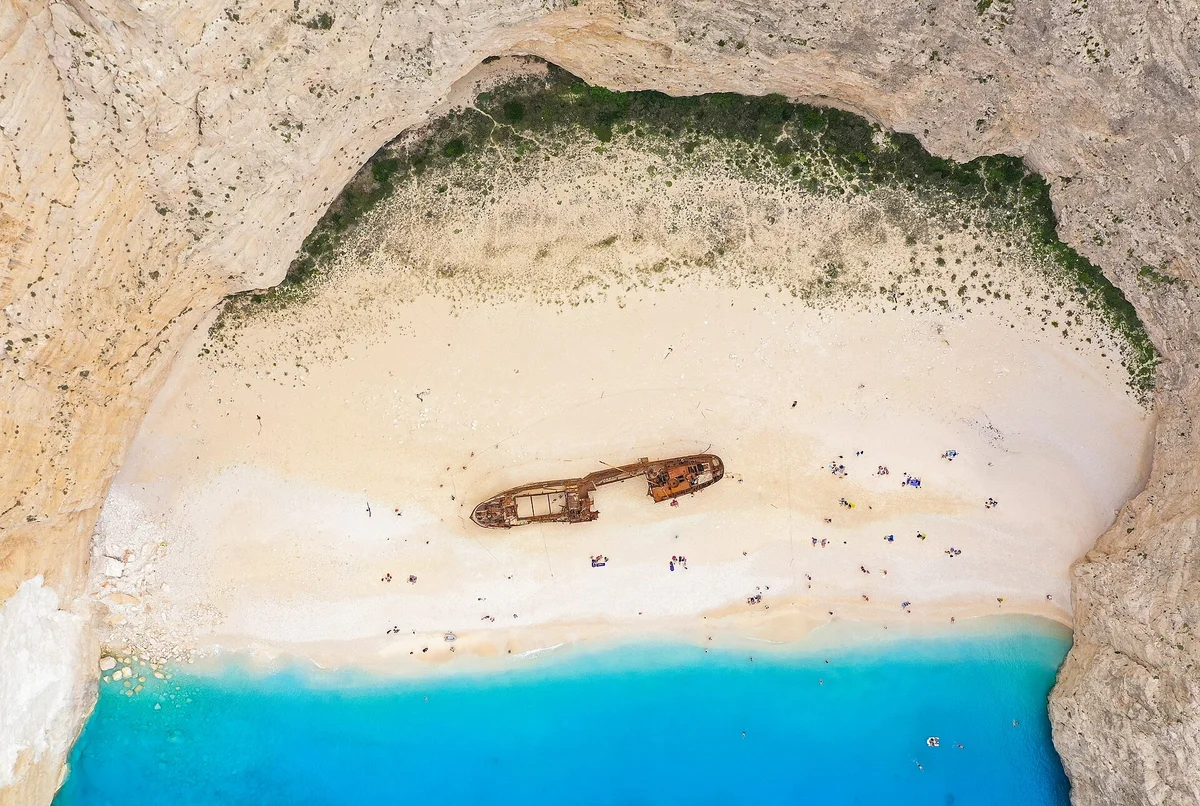
Greece Golden Visa Property Tiers 2026: €800K vs €400K
Law 5100/2024 created three Greece Golden Visa tiers. Compare €800K prime zones, €400K regional, and €250K conversion thresholds to pick the right investment.
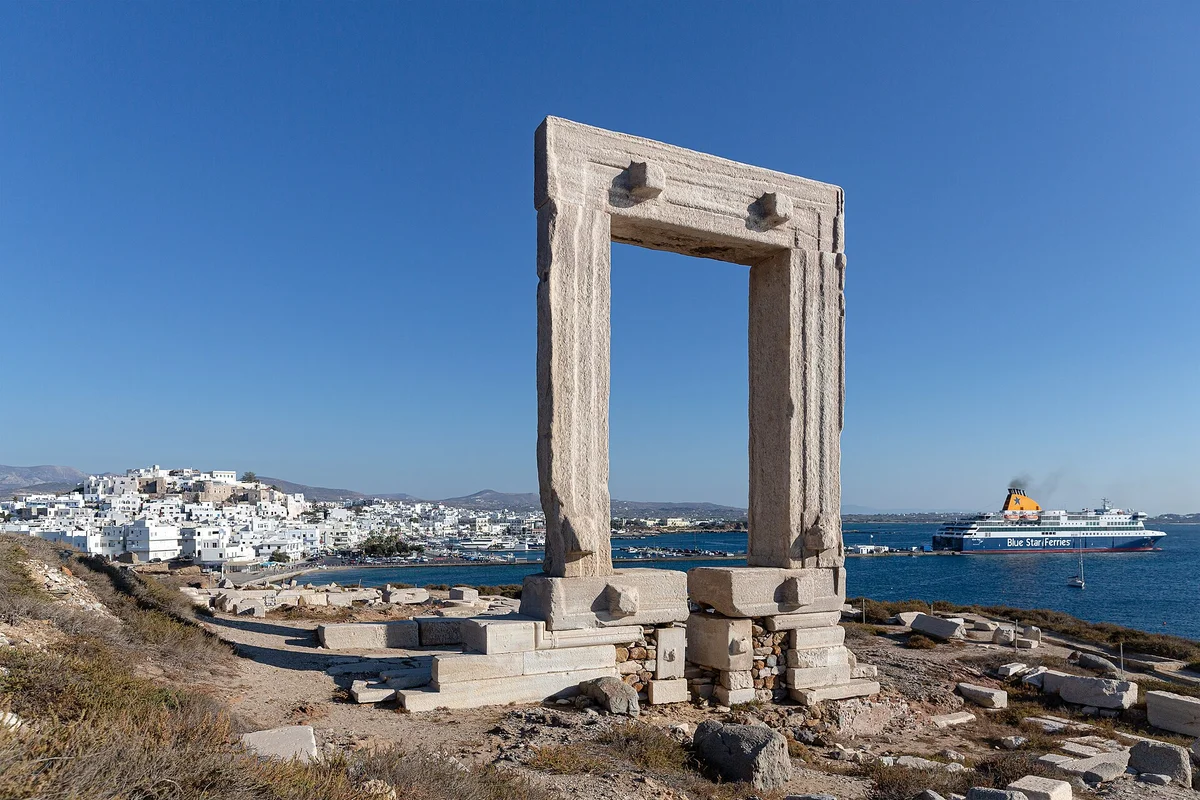
Due Diligence Greece Property: The Complete 2026 Checklist
Due diligence Greece property: title search, cadastre, ENFIA arrears, permits, engineer survey, co-ownership, mortgages, Golden Visa tier. Full checklist.
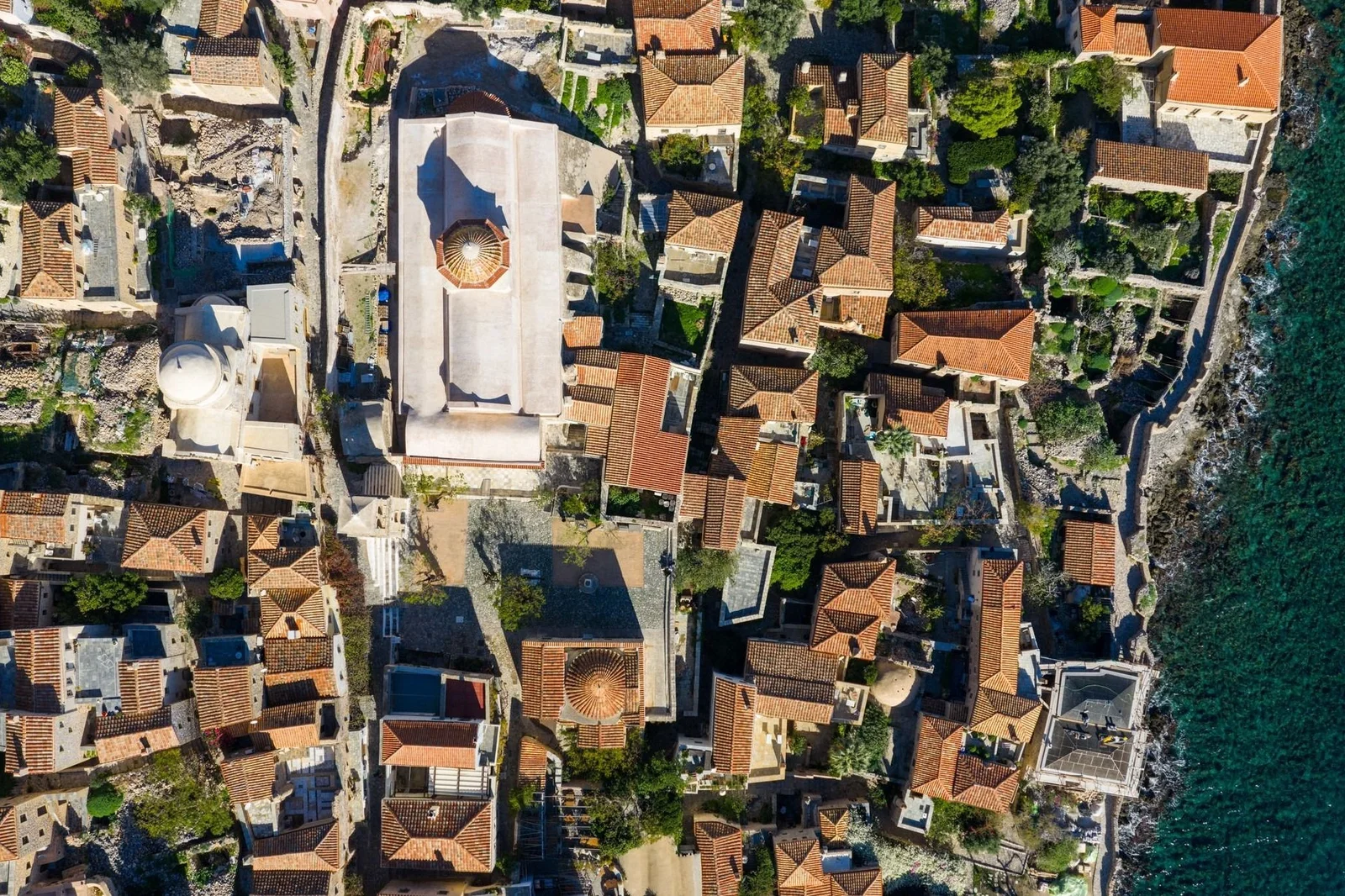
Greece Property Cadastre Check: Verify Title Before You Buy
Greece property cadastre check: Ktimatologio lookup, unknown owner status, forest registry overlap, lawyer extracts, red flags, registration timelines.
12 Hidden Costs Buying Property in Greece: 2026 List
The real total for a Greek purchase: transfer tax 3.09%, notary, lawyer and agent fees plus 12 costs buyers miss, with a worked example on a €400K purchase.
Get your Greece property shortlist
Share your budget, region (Athens, Crete, islands, or Peloponnese), and Golden Visa goal. We reply within one business day with matched options and next steps.