Quick answer: Crete qualifies at €400,000 and buys roughly 172 m²; the Athens Riviera demands €800,000 for about 135 m² and repays the premium in liquidity, flights and schools. The yield case for Crete does not survive the data: the one measurable island figure is about 4.0% gross in Chania Prefecture against 5.43% city-wide in Athens, and the lower tax bands on the smaller deed narrow that gap without closing it. The permit is identical, so the €425,000 gap prices lifestyle and exit, not residency.
This is the single most common fork in a Greek Golden Visa search, and it is really one question wearing two: are you buying a residence permit at the lowest sound cost, or buying an Athens asset that happens to carry one? The tier map fixes the prices of admission, €800,000 for Attica and €400,000 for Crete, and everything else, area, yield, tax band, exit, follows from that split.
The comparison below runs both routes on identical rules as of 22 August 2026: one deed, 120 m² of certified main use, long-term letting only, and the same 8-to-14-month Ministry queue at the end.
What Are You Actually Choosing Between?
You are choosing between two deployments of capital into the same five-year permit: €800,000 into the Riviera’s international, liquid, low-yield coast, or €400,000 into Crete’s cheaper, higher-yielding, thinner-exit island market. Law 5100/2024 treats both routes identically once the threshold is met; the two property markets do not.
| Metric | Athens Riviera (€800K tier) | Crete (€400K tier) |
|---|---|---|
| Qualifying minimum | €800,000, one deed | €400,000, one deed |
| All-in cost | ~€856,000 to €880,000 | ~€430,000 to €440,000 |
| Quality stock, €/m² | €4,000 to €5,800 | €1,999 Heraklion to €2,935 Chania; €2,329 island avg |
| Area at threshold | ~135 to 178 m² | ~172 m² at the island average |
| Gross long-let yield | Below Athens city-wide 5.43% | About 4.0% (Chania Prefecture, asking data) |
| Net after rental tax only | about 3.6% at €40,000 rent | about 3.3% at €16,000 rent |
| 120 m² rule pressure | Real on seafront | Rarely binding |
| Exit market | Deep, international | Thinner, seasonal, lifestyle-led |
| Airport | Athens, year-round hub | Chania + Heraklion, seasonal-heavy |
The rest of this comparison prices each row, because the table hides the two facts buyers most often miss: the tax scale erodes the Riviera’s larger rent roll disproportionately, and the 120 m² rule quietly removes the prettiest Riviera stock from eligibility.
What Does Each Euro Buy in Space and Stock?
Crete delivers about twice the floor area per euro spent: €400,000 at the €2,329 island average buys 172 m² of house, while €800,000 at Glyfada’s €4,250 to €5,000 buys 160 to 190 m² of apartment. The €425,000 saved on Crete is close to the entire price of a second Cretan property.
How the thresholds translate on the ground:
- Glyfada and Voula, €4,000 to €5,800/m²: €800,000 buys 138 to 200 m², new-build with parking at the lower rate, marina-adjacent stock at the upper. The Glyfada guide maps it street by street.
- Vouliagmeni and prime seafront, €5,800+: the threshold buys under 138 m², and terrace-heavy marketing means certified main use can fail the 120 m² floor outright.
- Chania and Apokoronas, €1,900 to €2,400/m²: €400,000 buys 167 to 210 m², typically a villa with a pool, per the Chania guide.
- Heraklion city, €1,800 to €2,200/m²: €400,000 buys 182 to 222 m² in the island’s only true year-round urban rental market.
Certified area is the gatekeeper in both markets, but asymmetrically. On Crete the engineer’s number is a formality: €400,000 of stock at €1,900 to €2,400 per square metre arrives with 50 to 90 m² of headroom above the 120 m² floor, so no sane Cretan file dies on measurement. On the Riviera the same number decides files, because balconies, terraces, parking and storage never count toward the 120, and premium seafront apartments are marketed on exactly those excluded spaces: a 140 m² listing that certifies at 112 m² of main use fails the visa at any price. The rule rewards the boring floor plan over the beautiful terrace, which is why experienced Riviera buyers read the engineer’s κύρια χρήση figure before the view.
Which Route Earns More After Greek Tax?
Crete nets more despite grossing less per property, because Greek rental tax is charged on gross rent through bands of 15%, 25%, 35% and 45%: Cretan rents of €20,000 to €22,000 sit largely in the lower bands, while an €800,000 Riviera asset pushes most of its €40,000 rent roll into the top two.
| Line | Riviera, €800K at 5% | Crete, €400K at 5.5% |
|---|---|---|
| Gross annual rent | €40,000 | €22,000 |
| Tax after 5% repairs deduction | ~€13,030 | ~€5,745 |
| Management, vacancy, ENFIA, insurance | ~€9,500 | ~€5,200 |
| Net income | ~€17,470 | ~€11,055 |
| Net yield on deed | ~2.2% | ~2.8% |
| Net yield on all-in capital | ~2.0% | ~2.5% |
The 2026 reform sharpened the gap: Law 5246/2025 cut the €12,001 to €24,000 band from 35% to 25%, which lands squarely on Cretan rent rolls and barely touches Riviera ones. Short-term rental is banned on the qualifying deed in both markets for the permit’s life, so no Airbnb scenario rescues either column; the rental yield calculator runs your own numbers on the 2026 bands.
Who Rents From You, and Who Buys From You at Exit?
The Riviera’s tenant and buyer are international and year-round: executives, diplomats and relocated non-doms while you hold, and at exit a global pool that transacted 5,816 Athens deeds worth €626 million in 2025. Crete’s are seasonal and regional: professionals and academics in Heraklion while you hold, northern-European lifestyle buyers at exit.
- Riviera tenant: corporate and diplomatic, 12-month leases, €2,800 to €3,700 a month.
- Crete tenant: university, hospital and professional, €800 to €1,400 a month.
- Riviera exit buyer: international, comparably priced stock all around.
- Crete exit buyer: lifestyle-led, seasonal viewing traffic, scarcer comparables.
Liquidity is the Riviera’s real product, and it can be counted rather than asserted. Ellinikon’s €8 billion regeneration keeps repricing the southern corridor, Athens resale volumes dwarf every regional market, and a Glyfada apartment sells into the same pool it rents to. Cretan exits are genuine but slower: the buyer is likelier to be German, Dutch or British than Greek, the season shapes viewing traffic, and one-off villas price against scarce comparables. A buyer who expects to sell inside five to seven years is paying the Attica premium precisely for the exit; a buyer holding for residency and use can bank Crete’s €425,000 saving against a slower one.
Torn between the tiers? We shortlist both sides, certified-area checked, with net yield modelled on the 2026 tax bands for each candidate deed.
Does the Purchase Process Differ Between the Two Routes?
The legal process is identical, an AFM, a Greek account, the Circular 1/2026 wire trail, notary, cadastre, then the Ministry file, but the diligence weight sits in different places: Riviera files live or die on certified area, Cretan files on title history and buildability.
- Both routes, same spine: AFM and bank account in 2 to 4 weeks, deed at week 10 to 14, Golden Visa filed within 60 days of registration, 8 to 14 months of Ministry queue.
- Riviera-specific diligence: the engineer’s κύρια χρήση measurement against the 120 m² floor, urban-planning legality of enclosed verandas, and building-reserve health in older blocks.
- Crete-specific diligence: twenty-year title search through inheritance chains, forest-map (δασικοί χάρτες) overlap on rural plots, water and access rights on village stock, and objective-value checks that lag market prices less than buyers assume.
- Budget difference in fees: identical percentages on different bases, roughly €30,000 to €40,000 of transaction costs on Crete against €56,000 to €80,000 on the Riviera.
Neither route is faster at the Ministry: the queue does not know which tier fed it. The only calendar difference a buyer controls is diligence duration, and a clean Riviera new-build file can reach the notary two to four weeks sooner than a Cretan village house with an inheritance to untangle.
How Do Lifestyle and Logistics Compare?
The Riviera is a suburb of a European capital, with the airport 30 to 40 minutes away, international schools in Glyfada and Voula, and 12 months of city life. Crete is an island with two airports and a season: unmatched for 26 weeks from May, quiet and local for the other 26.
- Flights: Athens is a year-round hub with dense European schedules; Chania and Heraklion fly direct across Europe in season and thin sharply in winter, with the new Kastelli airport set to lift Heraklion’s capacity.
- Schools: the international school map concentrates in southern and northern Athens; Crete offers limited international options, decisive for relocating families with teenagers.
- Healthcare: Athens hosts the country’s deepest private hospital network; Heraklion carries Crete’s, competent and thinner.
- Daily life at 183+ days: families genuinely relocating, especially under the combined non-dom play, overwhelmingly choose the Riviera; buyers wintering elsewhere use Crete exactly as intended.
What Are the Advantages and Disadvantages of Each Route?
The Riviera’s advantages are liquidity, connectivity and asset quality, paid for at roughly double the capital, €856,000 against €430,000 all-in, and a thinner net yield; Crete’s advantages are capital efficiency, area headroom and net income, paid for in exit depth and winter logistics. Neither route buys one extra permit right.
Athens Riviera, advantages: deepest exit market in Greece; Ellinikon-driven appreciation corridor; year-round city; the natural base for an actual relocation. Disadvantages: €856,000 to €880,000 all-in; 120 m² rule genuinely binding on premium stock; net yields near 2%; the €800,000 threshold buys no extra immigration rights.
Crete, advantages: €430,000 to €440,000 all-in, roughly half; 165 to 210 m² at threshold with the €400K tier fully open; rent that stays in the lower tax bands, so more of each euro survives; a second asset remains affordable. Disadvantages: thinner, seasonal resale; winter flight schedules; limited international schooling; village and inherited-title diligence heavier than urban Athens.
What Are the Risks and Red Flags on Each Side?
The two routes fail differently: Riviera files typically fail on certified area, where 120 m² is a hard floor, and on yields imported from cheaper Athens; Cretan files fail on title chains and seasonal income math. Both share the national traps: the STR ban and the Circular 1/2026 banking trail.
- Riviera, area shortfall: a 140 m² marketed apartment certifying at 112 m² fails the visa at €800,000; demand the engineer’s κύρια χρήση figure before any deposit.
- Yield fantasy, both ways: underwriting Kypseli-style 6.5% gross onto Glyfada stock misprices the deal by a third, and the widely quoted 5% to 6% for Cretan cities is not measured anywhere. Chania Prefecture’s published figures imply about 4.0%.
- Crete, title and forest maps: inherited village property with unregistered heirs or δασικοί χάρτες overlap can take 12 to 24 months to clean; budget the due diligence before the preliminary agreement.
- Crete, seasonal arithmetic: a coastal villa modelled on August occupancy earns 26 weeks, not 52; Heraklion city is the island’s only 12-month tenant pool.
- Both: short-term rental prohibited on the qualifying deed; funds must arrive via the documented Greek-account route under Circular 1/2026.
Which Buyer Scenario Points Where?
The decision resolves on three questions: will you live there more than 183 days, when will you sell, and does €425,000 of retained capital matter more than exit certainty? Relocating families and five-year sellers point to the Riviera; residency-first buyers, yield keepers and two-asset planners point to Crete.
- Living there: Riviera. Visiting: Crete.
- Selling inside 7 years: Riviera. Holding: Crete.
- Capital working elsewhere: Crete, and bank the €425,000.
The relocating family. Schools, winter, one airport hub: Riviera, and the €800K area map is the shortlist. The premium is a cost of daily life, not of the permit.
The residency-first buyer visiting twice a year. Crete, without much debate: the permit is identical, the €425,000 saved compounds elsewhere, and 190 m² with a pool beats 135 m² of corridor apartment for the fortnights you are actually there.
The investor planning a five-year exit. Riviera: 5,816 Athens transfers a year is the liquidity you will need, and Ellinikon is the appreciation story you are underwriting.
The two-asset planner. Crete for the qualifying deed at €400,000, then a second, non-qualifying unit, anywhere, even short-let, with the capital the Riviera route would have consumed.
Next steps: the €800K Athens areas in detail · the Crete €400K route in detail · the Golden Visa hub.
Frequently Asked Questions
Crete wins on capital efficiency: €400,000 qualifies, buying about 172 m² at the island average of €2,329 per square metre. It does not win on yield, which is how this comparison is usually sold. The Riviera wins on liquidity and connectivity: €800,000 buys about 135 m² of Glyfada new-build at €5,930 per square metre, a deeper international resale pool, Athens airport and schools. Same permit either way.
Roughly double. A Riviera file runs about €856,000 to €880,000 all-in, the €800,000 deed plus €24,720 transfer tax at 3.09% and 2.5% to 4% of professional fees. A Crete file runs about €430,000 to €440,000 on a €400,000 deed. The €425,000 difference buys location, not a better permit: thresholds aside, the two visas are identical.
Neither, on the data that exists. The only measured Cretan figure is about 4.0% gross for Chania Prefecture, derived from published asking rent against published asking price; Athens city-wide is 5.43%, and Riviera stock yields less than that because coastal prices are set by the view. Crete's lower deed does keep rent in lower tax bands, but that advantage is smaller than it looks: €16,000 of rent on a €400,000 Cretan deed nets about 3.3% after tax, and €40,000 on an €800,000 Riviera deed nets about 3.6%. The tax banding narrows the gap; it does not reverse it. Short-term rental is banned on both.
Sharply. At Riviera prices of €4,000 to €5,800 per square metre, €800,000 implies 138 to 200 m², workable but tight on premium seafront where marketed area includes terraces the rule excludes. At Crete prices, €400,000 implies 165 to 210 m² across Chania, Heraklion and Apokoronas, so certified area rarely decides a Cretan file.
The Riviera, structurally. Athens recorded 5,816 transfers worth €626 million in 2025 with an established international buyer pool, and Ellinikon's €8 billion build-out keeps repricing the corridor. Cretan resale is real but thinner and more seasonal, with Greek and northern-European lifestyle buyers dominating. Buyers optimising exit certainty pay the Attica premium for it.
Not for the visa: the qualifying investment must be one property on one deed of at least 120 m², so €400,000 in Chania plus €400,000 in Glyfada qualifies nowhere. Choose one tier for the permit; a second, non-qualifying asset can be added freely afterwards, including a short-term rental unit outside the qualifying deed.
Read next
Athens Golden Visa €800K: Which Areas Qualify in 2026
Athens €800K Golden Visa zone: Piraeus, Glyfada, Voula, Vouliagmeni, Ellinikon. Prices, 120m² rule and area guide for 2026.
Property for Sale in Crete, Greece: Prices by Prefecture
Crete asks about €2,329 per m², up 12.5%, from €1,999 in Heraklion to €2,935 in Chania. The island large enough to be a region, with the yield maths to check.
Crete Property Investment Guide 2026: Island Markets
Crete property investment 2026: €400K Golden Visa tier, ~€2,329/m² average, what the yield data supports, north coast markets, GV vs Attica arbitrage.
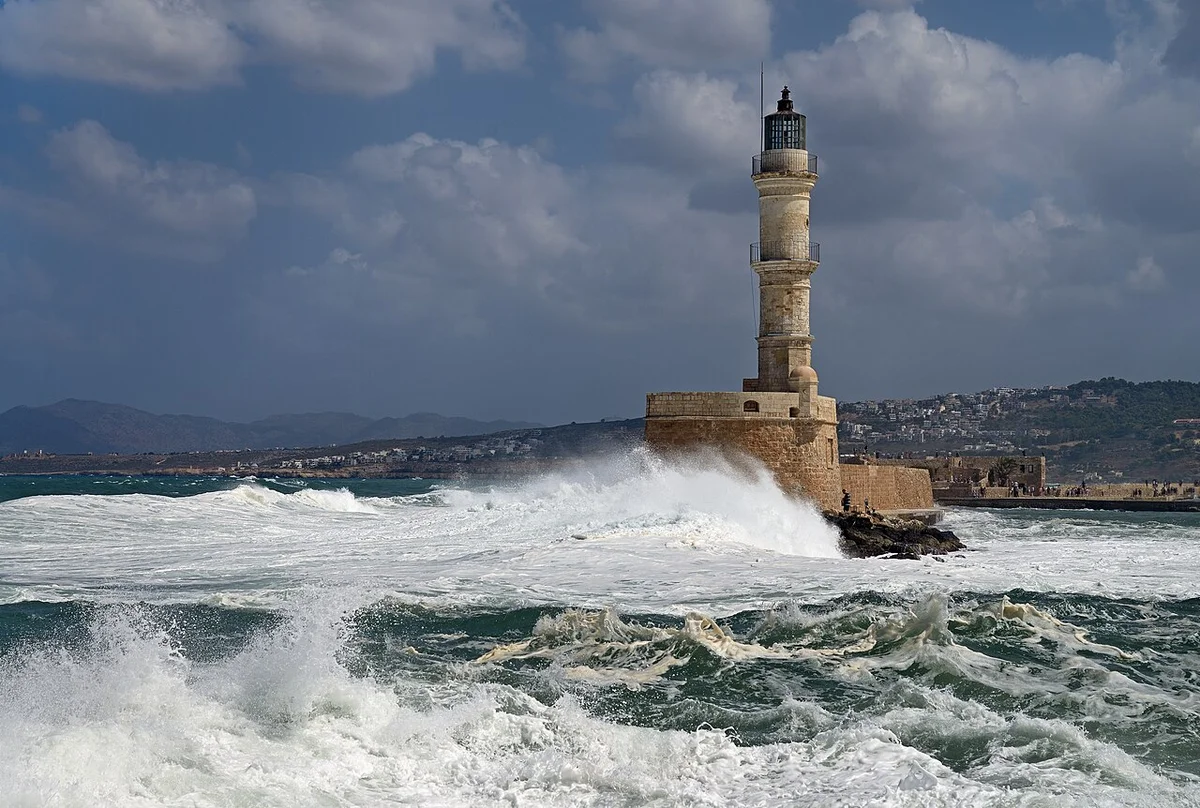
Chania Property Investment Guide 2026: West Markets
Chania property investment 2026: €400K Golden Visa tier, what the asking data implies for yield, old town vs Akrotiri, pros, cons and buyer scenarios.
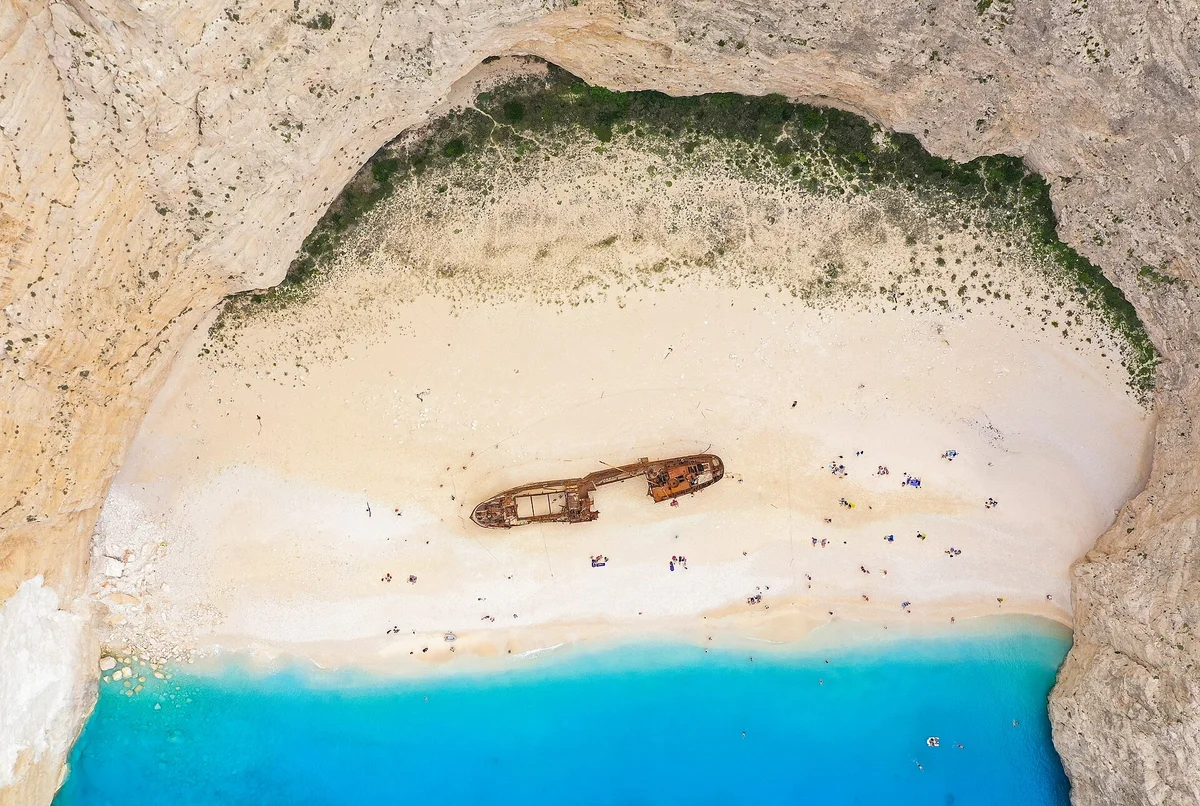
Greece Golden Visa Property Tiers 2026: €800K vs €400K
Law 5100/2024 created three Greece Golden Visa tiers. Compare €800K prime zones, €400K regional, and €250K conversion thresholds to pick the right investment.
Get your Greece property shortlist
Share your budget, region (Athens, Crete, islands, or Peloponnese), and Golden Visa goal. We reply within one business day with matched options and next steps.